Last updated on September 30th, 2026.
The hard part is not finding fishing gifts. The hard part is finding one that lands when the recipient already owns rods in three line weights, three or four reels, a stocked tippet drawer, two pairs of polarized sunglasses, and a sling pack they have been refining for five seasons. At that point the obvious moves (a rod, a reel, a generic gift basket) almost always fail. The recipient already chose the rod they wanted, in the action profile they wanted, after months of weighing it against three other models. Anything you pick blind in that category becomes inventory they politely thank you for and never use.
Quick advice: If he already owns every rod and reel he needs, give the one he would never buy for himself: an Abel Rove reel built in the colors you choose, or, as the gift of a lifetime, a Winston bamboo rod. More ideas at every budget are in our fly fishing gifts guide.
Top Picks:
-
Most personal: Abel Rove Fly Reel (from $745)
-
Made to last a lifetime: Van Staal Titanium Pliers ($389.95)
-
A winter project: Epic 476 FastGlass Fly Rod Building Kit ($499.95)
-
The gift of a lifetime: Winston Bamboo Fly Rod (from $3,500)
What actually works is narrower and more interesting. Three categories survive the “they already have it” filter: meaningful upgrades to gear they own a worse version of, niche tools they would not buy for themselves but use every trip, and consumables or experiences that compound rather than collect dust. Almost every well-received gift in fly fishing falls into one of those three buckets. The trick is matching the right bucket to the recipient’s actual fishery, not to whatever happened to be on a generic listicle.
The notes below assume the recipient fly fishes. Conventional spin and bait fishing has its own gift logic, but fly fishing has the steepest gear-specialization curve in angling: AFFTA line weights run from 1 through 16, tippet runs from 0X through 8X, and the wrong line weight or tippet diameter renders an otherwise nice present unusable. Knowing what fishery the recipient actually fishes matters more than budget.
What “has everything” actually means in fly fishing
Most fly fishers who appear to “have everything” have heavily invested in three or four core systems and barely touched the periphery. The rod-and-reel stack is usually deep: a 9-foot 5-weight for trout, often a small-stream 7-foot 6-inch 3-weight, sometimes an 8-weight for warmwater bass or saltwater work, possibly a two-handed Spey rod if they fish for steelhead or Atlantic salmon. The reels match. The lines are dialed in (weight-forward for general work, double-taper for delicate dry-fly presentations, a Skagit head if there is two-handed gear in the closet). They likely own a wading jacket, stockingfoot waders, and dedicated wading boots in either rubber or studded rubber, since felt is now banned in several US states and international destinations to slow the spread of Didymo and whirling disease.
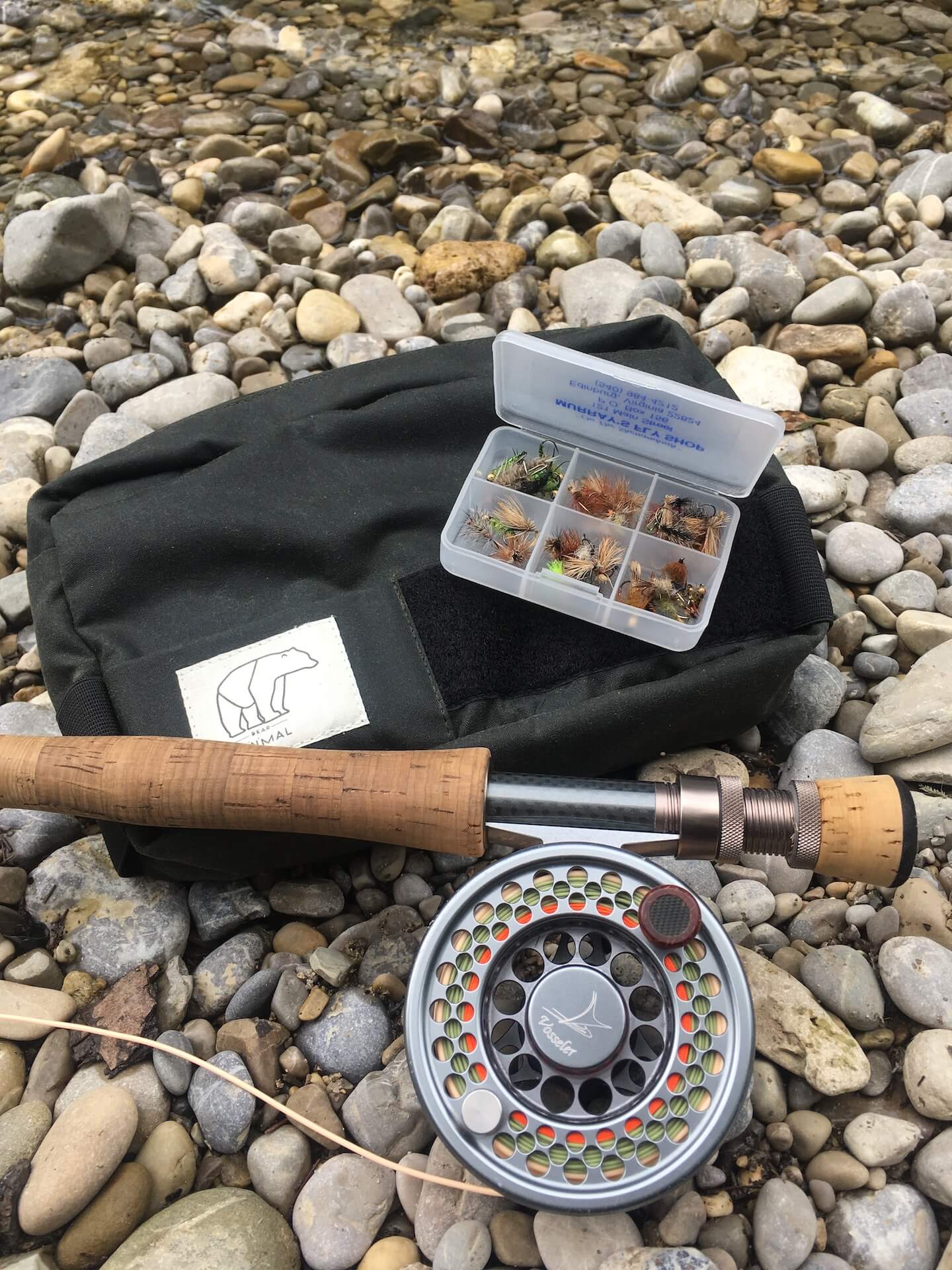
What they tend to under-invest in is everything around the cast itself. The cheap nippers that came with their starter kit are still on the zinger years later, with a chewed-out blade that frays tippet. The net is the one they bought when they were twenty and the knotted nylon mesh still strips slime off every fish. The polarized sunglasses are last decade’s pair with scratches in the lenses. The hemostats are bent. The fly boxes are overflowing, with three patterns triple-stocked and two empty slots where the patterns that actually work have gone missing. The wading-jacket pocket is held together with electrical tape. None of these are big-ticket items. All of them get used every time the recipient steps in the water.
The other under-invested area is the tying bench, if the recipient ties their own flies. The vise they started with might still be in service, even though there is a better one available in the same brand line. Specific materials (CDC feathers, particular dubbing colors, tungsten beads in odd sizes) are perpetually low. A starter tying kit they were given a decade ago has been outgrown but never properly replaced. The recipient has talked about upgrading the vise for years and has not done it. That is precisely where a gift lands.
Gift-worthy upgrades to gear they already own
The cleanest gift logic is “they already have one, yours is better.” Three categories sit at the top of that list.
Polarized sunglasses are the most reliable upgrade in fly fishing. Water reflects horizontal-axis light at Brewster’s angle, which creates the surface glare that hides fish and structure. Polarized lenses kill that glare and let the angler read depth, spot fish, and place a cast on a specific trout instead of guessing. The recipient almost certainly has a pair. Whether yours improves on theirs comes down to lens material and tint. Glass lenses, like the Costa 580G or Smith ChromaPop+ Glass, deliver the highest optical clarity and the best scratch resistance, at the cost of weight and shatter risk if a heavy fly hits them. Polycarbonate lenses from brands like Bajio, Roka, and Vallon weigh less and survive impact. Tint matters more than most buyers realize: copper or brown is the high-contrast all-around standard for sight-fishing, amber covers dawn-and-dusk low light, and grey is the color-neutral choice for offshore brightness. The best fly fishing sunglasses guide breaks down which lens and frame fit which fishing context.
A high-end landing net is the second category. Catch-and-release survival depends on getting the fish out of the water for as little time as possible, with as little contact as possible. Knotted nylon mesh strips the slime layer that protects trout from fungal infection and tangles every hook. A wood-framed net with a clear rubber bag from Fishpond, Brodin, or Nomad solves both problems and looks like the object the recipient would have bought for themselves if they had thought about it. The handcrafted wood-framed models in the best fly fishing nets guide age into the kind of gear a fly fisher actually treasures, which is rare in a sport mostly built on synthetic materials.
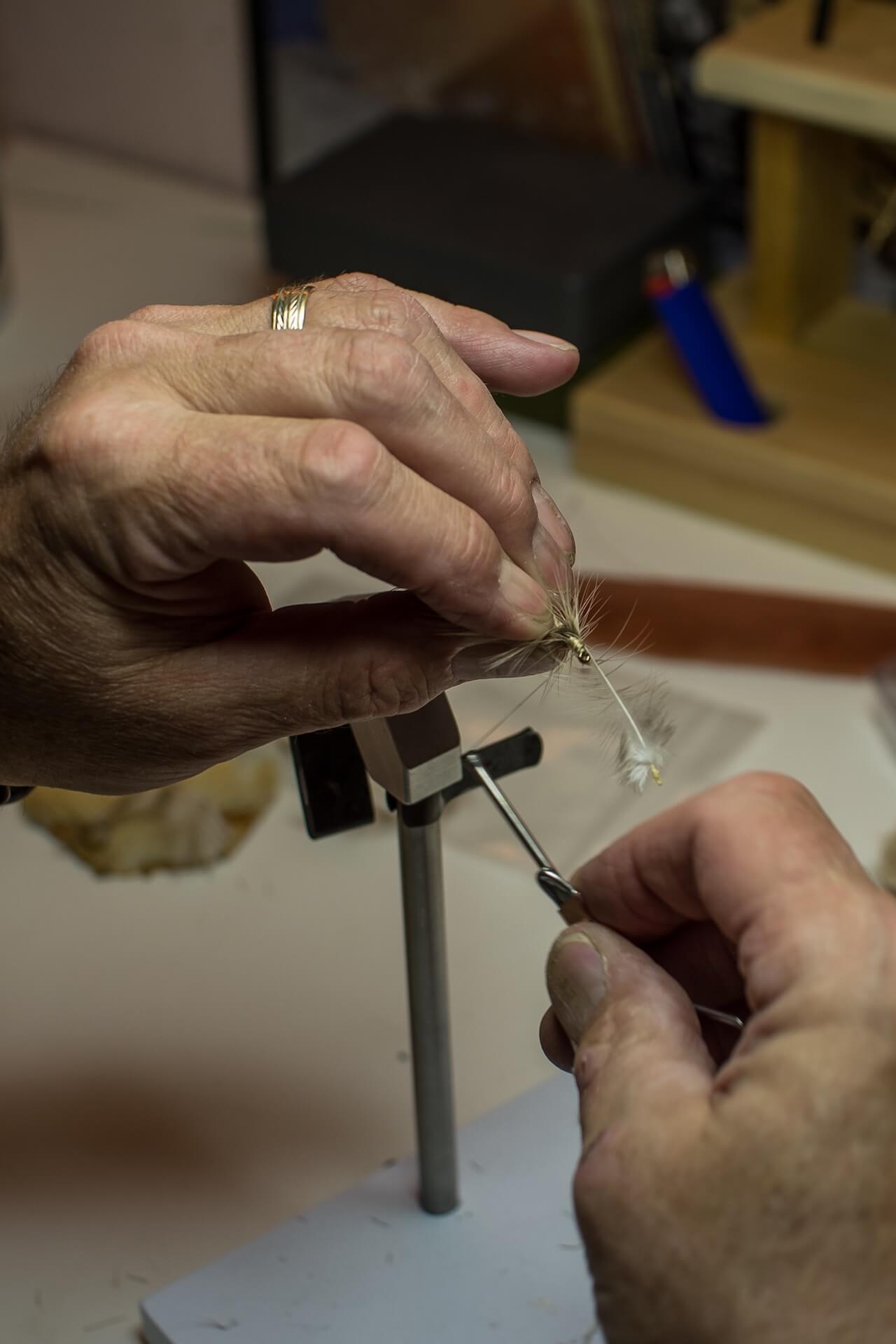
A premium sling pack is the third. The recipient is carrying something to hold their fly boxes, leaders, tippet spools, nippers, hemostats, and water bottle. Whatever it is, it is probably their second or third iteration. A modern sling from Fishpond, Patagonia, or Orvis swings from back to front for water-side access, leaves the dominant shoulder free for casting, and holds three to four fly boxes plus the rest of the rig. The best fly fishing sling packs guide covers which sling fits which carry profile (overnight versus day trip, dry-fly minimalist versus streamer-heavy, freshwater versus salt).
A premium fillet knife belongs here too if the recipient keeps fish or guides others who do. A CPM MagnaCut blade holds an edge through a full season of cleaning trout and salmon, and a properly designed handle prevents the fatigue that turns kitchen work into a chore. The best fillet knife guide breaks down which models survive saltwater work versus which are freshwater-only.
Niche tools they would not buy for themselves
The category fly fishers chronically under-invest in is precision hand tools. The reason is unglamorous: a $30 pair of nippers feels like an indulgence next to a $300 rod, so the recipient keeps using the chewed-up $5 pair from their starter kit. As a gift, the same item lands cleanly because the recipient gets to upgrade something they actually use every trip without justifying the spend.
Dedicated fly-fishing nippers are the canonical example. The pair that came with the starter kit has been frayed for years, and tippet cuts from frayed nippers weaken every knot tied below them. The improved clinch knot retains about 85 percent of the line’s straight-pull strength when the tippet is cleanly cut, and noticeably less when it is not. A pair of titanium or anodized aluminum fly fishing nippers on a retractable zinger sits on the pack strap for years and trims tippet cleanly every time.
Hemostats and fishing pliers are the parallel tool. The recipient uses them every time they release a fish, debarb a hook, or extract a fly that has grabbed deep. A worn-out pair tears jaws and frustrates everyone involved. A precision-machined pair of fishing pliers with hook removers, split-ring openers, and a built-in line cutter replaces three or four tools in the sling pack and works for the next decade.
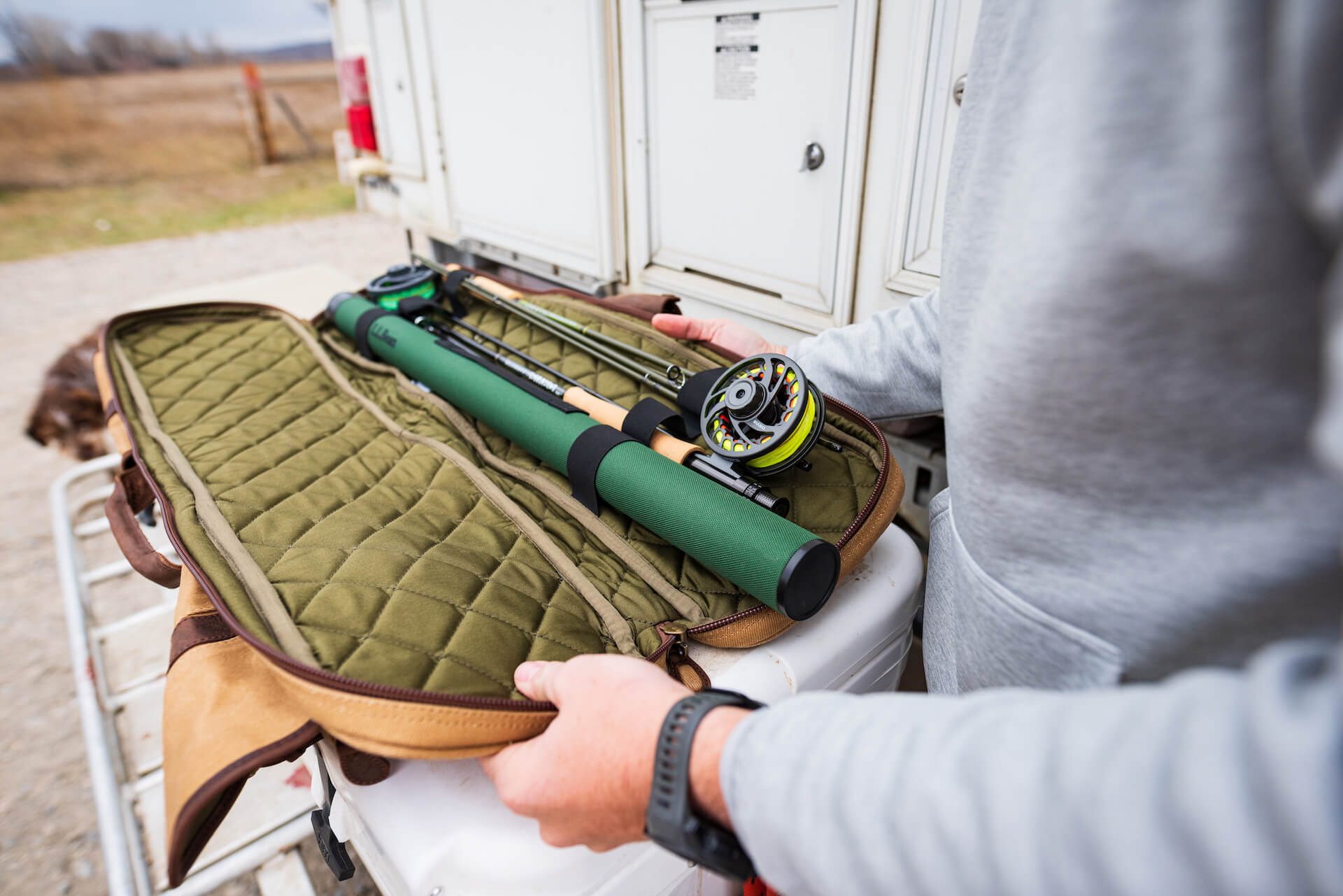
A fly-tying kit is the bigger niche gift, but it only lands if the recipient either ties already or has been talking about starting. For someone who already ties, the gift is a better vise or a curated material set in patterns they actually fish. For someone curious, a complete kit bundles a vise, bobbin holder, hackle pliers, hair stackers, hooks, thread, a starter material set, and a beginner reference book into a single box. Orvis, Renzetti, and Wapsi all run kits at different ambition levels; the best fly tying kits guide lays out which kit matches which beginner-to-intermediate tying trajectory. Tying their own flies is one of the deepest rabbit holes in fly fishing, and the gift that opens that door tends to be remembered.
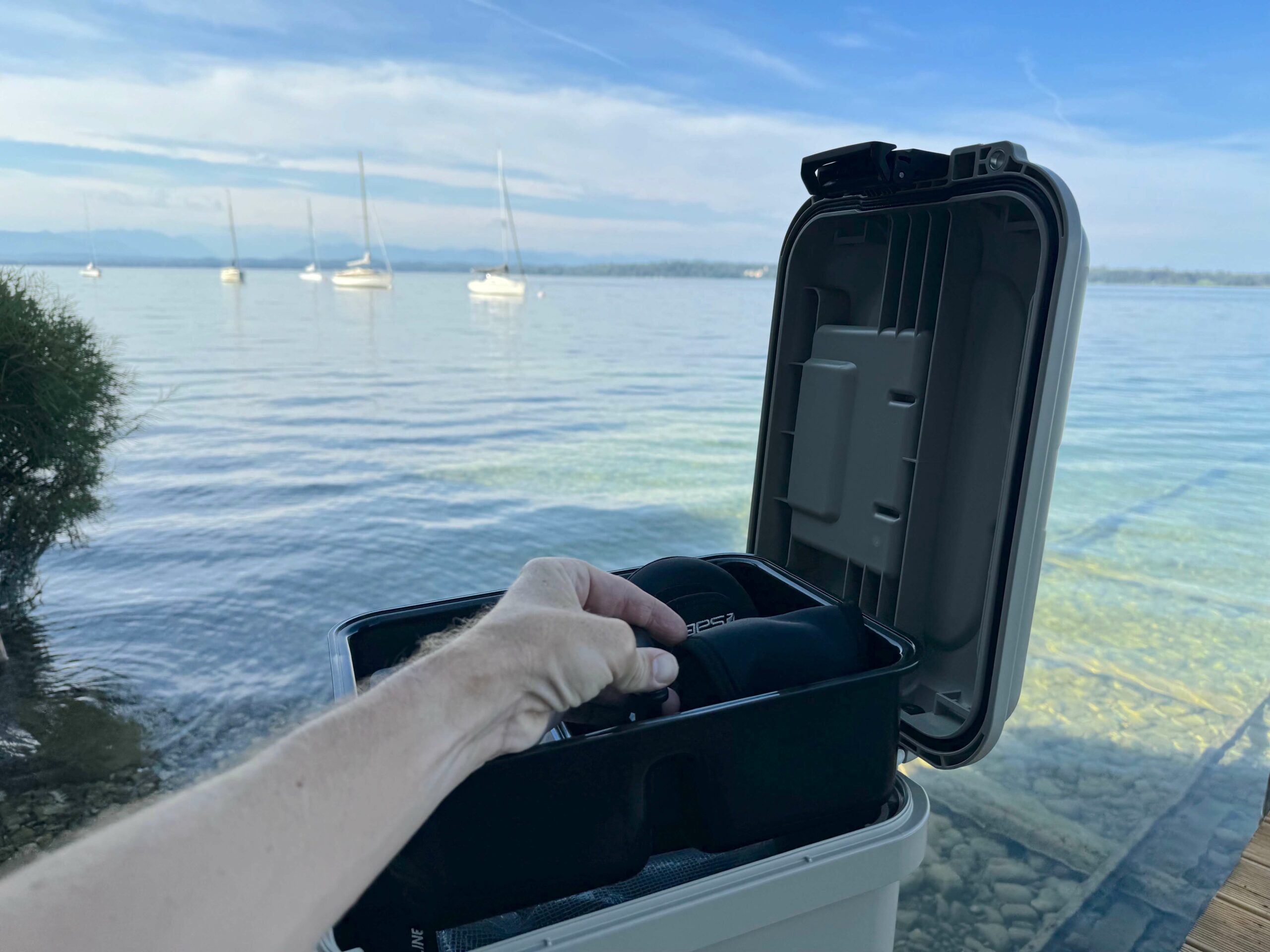
Small, specific tools round out this category. A new fly box from Tacky, Cliff Outdoors, or Umpqua in a category the recipient is under-stocked in (streamers, articulated patterns, midges below size 22) shows attention to detail. A leader straightener, a desiccant bottle for dry flies, a quality magnifier for tying on 6X to 8X tippet to size-22 midges, a spool of high-end fluorocarbon in the X-rating they actually fish: any of these costs under $40 and gets used immediately.
How to choose based on fishery, budget, and surprise factor
The decision logic is short and there are only four questions worth asking.
First, what fishery does the recipient actually fish most? A small-stream brook trout angler running a 3-weight on tight creeks has different needs from a saltwater flats fisher on an 8-weight. A premium net is universal. A specific tippet X-rating, a particular wading boot, or a tying material kit is not. If you do not know the answer with confidence, ask someone who fishes with them, or default to the universal categories (sunglasses, nippers, pliers, net).
Second, what is the budget tier? Under $50 buys consumables and tools (tippet, leaders, nippers, hemostats, fly boxes, a quality book). Between $50 and $150 buys upgrades to gear they own a worse version of (a quality net, a precision pliers set, neoprene wading socks, a magnetic fly box). Between $150 and $400 buys a serious-piece-of-gear gift (sunglasses, a premium sling pack, a wading boot, a small-stream 3-weight rod blank). Above $400 buys a centerpiece (a premium reel, a complete saltwater 8-weight setup, a guided trip booking, a fly-tying kit at the high end).
Third, how risky is gear sizing? Rods are tied to line weights, waders to fit, tippet to fly size. Anything where wrong-sizing makes the gift unusable should default to a gift card to a fly shop the recipient actually uses, or to a universal category (sunglasses, nets, knives, books) where sizing does not matter. The shop staff at a local fly shop knows what the regulars on the home water are buying and can save you from the common mistakes.
Fourth, surprise factor versus utility. A monthly fly-of-the-month subscription, a Trout Bum or Datus Proper book, a magazine subscription to The Drake, a print of a fish painting, a guided day with a local outfitter on a tailwater the recipient has wanted to fish but has not figured out the access for: all of these substitute experience for object, and most fly fishers who already own everything appreciate experience gifts more than additional gear. The math on a guided day in most US trout fisheries is $300 to $700, which buys them a day they actually learn from instead of another piece of inventory in the gear room.
The default failure mode in this category is buying for the sport in the abstract instead of for the angler specifically. The fix is to skip the universal listicles, narrow to what the recipient actually fishes, and pick from the categories above. A precision pair of nippers, a wood-framed net with a rubber bag, a polarized lens upgrade, or a day on water they have been wanting to fish will outperform almost any “luxury fishing gift” picked blind.

Leonard Schoenberger is a fly fishing professional and gear specialist with over 20 years of experience on the water. As the manager of Heidarvatn, a world-class sea trout lodge in Iceland, his product recommendations and tactical advice are tested in some of the most demanding conditions on earth. His expertise has been mentioned in The New York Times, the Financial Times, and at the Outdoor Media Summit.