How to Put a Worm on a Hook: Proven Methods for a Perfect Bait

The Perfect Presentation Primer

There are two main ways to hook a worm: a simple and reliable “accordion” technique and a more advanced “sock” method. Knowing how to properly present your bait is a foundational skill that directly impacts your ability to catch fish.

You can feel confident using worms, as scientific consensus suggests they lack the complex nervous system to feel pain and can even regenerate. The single most important part of the process is leaving the worm’s tail dangling off the hook. This wiggling action is what triggers a fish’s predatory instinct.

Gearing Up: Selecting the Right Hook and Finding Your Bait

Choosing the right hook and keeping your worms cool and moist are the first steps to successful baiting. The best hooks for worm fishing are live bait hooks, Aberdeen hooks, or octopus hooks, as their long shanks can easily accommodate a worm’s length. As a general rule, you should match the hook size to the worm, with a 3/0 to 5/0 hook being a great choice for most common worms.

If you practice catch-and-release, circle hooks are an excellent option because they are designed to hook the fish in the corner of its mouth. When using a circle hook, just be sure the hook point remains exposed after you’ve baited it.

You can either buy worms from a local bait shop or find them yourself in a garden. Look under rocks, logs, and pots, or simply dig in any area with cool, moist soil. To keep them in prime condition, store your worms in a container with cool dirt and keep them out of direct sunlight, which can make them mushy and difficult to handle.

Finally, remember that selecting the right gear is essential for targeting specific species. For example, if you’re building a setup for trout, you’ll want to match your bait and hook with the best fly rod for trout fishing.

Why Proper Baiting Technique Is Your Secret Weapon

A properly hooked worm looks natural and wiggles enticingly, which is the key to triggering a fish’s instinct to bite. A poorly hooked worm will appear stiff and unappealing, while one that is presented correctly will move in a way that fish find irresistible.

Leaving a little bit of slack in the worm’s body between each time you pierce it allows it to move more freely. This creates vibrations and a visual profile that gives live bait a significant advantage over artificial lures.

How you present your bait becomes even more critical depending on where you are fishing. In high-pressure areas or specific environments like those you might encounter when bank fishing, a perfectly presented worm can make all the difference. Mastering this skill removes a major variable, allowing you to fish with more confidence.

The Accordion Baiting Method: A Step-by-Step Guide

The Accordion Method is a reliable, five-step process that secures the worm to your hook while allowing its tail to wiggle and attract fish. Following these steps ensures your worm is secure, lively, and presented for maximum effectiveness.

  1. Prepare Your Grip: A worm’s slime can make it tricky to handle. Dip your fingers in a little dirt to get a better grip and to help mask any human scent that might otherwise deter fish.
  2. The First Pierce: Identify the worm’s head, which is the pointier, darker end. Pierce the worm with the hook’s point about half a centimeter from that end and slide it up the hook’s shank.
  3. Build the Accordion: Continue piercing the worm 3-5 times down its length, creating a bunched-up, accordion-like shape. Be sure to leave a small amount of slack between each piercing point to allow for movement.
  4. Leave the Tail: This is the most important step. Leave the last inch or two of the worm’s tail dangling freely past the hook’s barb, as this wiggling action is what attracts fish.
  5. Final Positioning: Make sure the bulk of the baited worm is positioned down on the curve of the hook.

For extra security when casting long distances, you can use your fishing line to tie a simple half hitch knot around the worm’s head on the hook shank. This is just one of many simple knots, like learning how to tie the uni knot, that can improve your success.

Advanced Techniques and Variations for Tricky Fish

For different situations, you can use advanced techniques like the high-reward “Sock Method” or adapt your bait size for smaller or larger fish. This method involves piercing the worm just behind its head without letting the hook point exit. You then carefully thread the worm’s body up the hook’s length—like putting on a sock—and finally expose the hook point out the side.

The Sock Method can get you more bites, but you also risk losing more bait in the process.

When you’re targeting smaller fish like trout, a whole nightcrawler can be too large. In this case, it’s best to cut the worm into smaller, one-inch pieces and thread a single piece onto the hook. For a more substantial presentation against larger fish, try hooking several small worms at once to create a large, writhing ball of bait that completely hides the hook.

Common Mistakes That Cost Anglers a Catch (And How to Avoid Them)

You can avoid frustration by sidestepping a few common errors that novices often make. These include using mushy worms, forgetting to check your bait, or hooking the worm too straight, all of which can reduce your chances of a catch.

  • Mistake 1: Using Limp, Mushy Worms. Worms that have been exposed to heat become inactive and fragile. The Fix: Always keep your worms cool. Cooler worms are also less active, which makes them much easier to hook.
  • Mistake 2: Forgetting to Check Your Bait. A fish can easily steal your worm without you ever feeling the bite. The Fix: Reel in and check your bait every 15 minutes or so to make sure it’s still there and presented correctly.
  • Mistake 3: Killing the Action. Hooking a worm perfectly straight along the shank makes it look unnatural and prevents it from wiggling. The Fix: Always remember to create the “accordion” bunch with slack between piercings to maximize movement.

If you ever accidentally get the hook stuck in your skin, the most important thing is to stay calm. If the injury is minor, you can often push the barb through the skin, snip it off with pliers, and then back the hook out. For any deep or complex situations, you should seek medical attention.

The Result: A Perfectly Presented Bait That Fish Can’t Resist

By mastering these techniques, you’ve turned a simple worm into a strategic bait with an irresistible wiggling action that fish can’t ignore. The secure “accordion” body and the enticing wiggle of the dangling tail are a combination that fish find nearly impossible to pass up.

Don’t worry if a worm gets torn or if you only have pieces left. A worm’s ability to regenerate means that even small, cut sections will continue to wiggle and can be used effectively as bait.

You are no longer an anxious novice guessing at the process. You are now an angler equipped with a reliable system for baiting a hook—a core skill that will serve you on every fishing trip to come.

Frequently Asked Questions

What are the two main ways to hook a worm?

The two primary methods are the reliable “Accordion Method” and the more advanced “Sock Method.” The Accordion Method involves piercing the worm multiple times to create a bunched-up shape, while the Sock Method involves carefully threading the worm’s body up the hook’s shank.

What is the most important step when hooking a worm?

The single most important step is leaving the last inch or two of the worm’s tail dangling freely past the hook’s barb. This wiggling action is what triggers a fish’s predatory instinct and is the key to getting more bites.

Do worms feel pain when you put them on a hook?

According to scientific consensus, worms lack the complex nervous system required to feel pain in the way humans do. They can also regenerate from damage, so you can confidently use them as bait.

Why is proper baiting technique so important for fishing?

A properly hooked worm looks natural and moves enticingly, which is crucial for triggering a fish’s instinct to bite. A poorly hooked worm appears stiff and unappealing, which will cause most fish to ignore it.

What’s the best way to hook a large nightcrawler?

The Accordion Method is ideal for hooking a large nightcrawler, as it secures the worm’s body while allowing its tail to wiggle freely. If targeting smaller fish, it’s more effective to cut the nightcrawler into smaller, one-inch pieces and thread a single piece onto the hook.

Are live worms better bait than artificial lures?

Live worms often have a significant advantage over artificial lures because their natural wiggling motion and scent create vibrations and a visual profile that fish find irresistible. This authentic presentation is a powerful way to trigger a fish’s instinct to strike.

What are the best hooks for worm fishing?

The best hooks for worms are live bait hooks, Aberdeen hooks, or octopus hooks, typically in a 3/0 to 5/0 size. For catch-and-release, circle hooks are an excellent choice because they are designed to hook the fish in the corner of its mouth.

How to Fish in a River: An Essential Guide to Proven Techniques

The River Current Codebreaker

River fishing is often simpler and more predictable than fishing in a lake. The single most important factor is the current, which tells you exactly where fish will be and how to catch them. By understanding a few core principles, you can approach any river with confidence.

Here is the essential code for river fishing:

  • Current is Your Map: Unlike the vast, open water of a lake, a river’s current forces fish into predictable holding spots to conserve energy. This makes them much easier to locate.
  • Simplicity Wins: You don’t need a boat or expensive electronics to be successful. Most of the best fishing spots are in shallow water that you can easily access from the bank.
  • Mimic Nature: The most effective strategy is to cast your bait upstream of your target. Let the current carry it down naturally, just as a fish would expect its food to arrive.

Because they are constantly swimming and feeding, river fish are often healthier and more aggressive. This can lead to more exciting fights and help you learn how to catch bigger fish on your next trip.

Why Fish a River? Understanding the Key Advantages

River fishing offers a uniquely relaxing and productive experience by providing an escape from crowded lakes and access to more active fish. With over 3.5 million miles of rivers and streams in America, you have endless opportunities to find a quiet spot for yourself.

Here are the key advantages of choosing a river for your next fishing trip:

  • Escape the Crowds: Rivers provide a more solitary and peaceful environment compared to the often busy and noisy atmosphere of popular lakes.
  • Find More Active Fish: The constant flow of water forces fish to be opportunistic feeders. This can make river fishing a fantastic option when the bite on local lakes is slow, especially in late summer.
  • Target Classic Species: Rivers are home to many popular game fish, including aggressive smallmouth bass, prized walleye, and various types of trout like rainbow and brown trout.
  • Keep Your Gear Simple: You can get started with minimal freshwater tackle. A boat and advanced fish finders aren’t necessary, and you can find all the gear you need, including one of the best fly fishing nets, without breaking the bank.

Reading the River: How Current Dictates Where Fish Live

This section explains how the river’s current forces fish into predictable locations, turning what seems like a challenge into your greatest advantage. The current is the fundamental difference between river and lake fishing, and learning to read it is the key to success.

Understanding how fish relate to current is simple:

  • Energy is Everything: Fish must constantly fight the current, so they seek out any object that provides a break or refuge. This allows them to conserve energy while waiting for food to drift by.
  • Always Face Upstream: Fish will almost always position themselves facing into the current. This allows them to breathe and watch for food coming towards them.
  • Find the Seams: Look for “current seams,” which are visible lines where fast water meets slower water. These seams act like conveyor belts for food, making them a magnet for hungry fish.
  • Target the Eddies: An eddy is a calm pocket of water that forms behind an obstruction like a large boulder or a point of land. These are prime resting spots for fish looking to escape the main flow.

Your River Map: Identifying High-Percentage Fishing Spots

This section gives you a visual checklist of the specific types of cover where river fish hide, turning the water into a simple map of targets. As you walk the bank or float downstream, keep an eye out for these five high-percentage spots.

  • Laydowns: Sunken trees, logs, and overhanging branches are perfect ambush points. Fish will hold in the calmer water on the downstream side, using the wood as a current break.
  • Bluff Walls: Steep rock banks create a natural funnel. The current pushes baitfish and other food directly against the wall, creating a concentrated feeding zone that is especially good in low water.
  • Shoals: These shallow, rocky high spots are made of countless small current breaks. Fish will tuck in behind individual boulders and rocks, waiting for an easy meal to drift past them.
  • Islands and Rock Piles: Just like smaller rocks, large islands and rock piles create a significant calm water area on their downstream side. This is a primary resting and feeding location for fish of all sizes.
  • Vegetation: Patches of underwater grass or weeds offer a double benefit. They provide excellent cover from both the current and overhead predators like birds, making them reliable spots to find fish.

The 3-Step River Fishing Framework: Your Blueprint for Success

This section provides a simple, 3-step process for river fishing that combines scouting, positioning, and casting for a natural presentation. Follow this framework every time you approach a new spot, and you will dramatically increase your chances of success.

  1. Scout the Structure & Choose Your Lure First, use your “River Map” knowledge to identify the most promising piece of cover, whether it’s a laydown, shoal, or bluff wall. Then, select a lure that is best suited for that specific structure. For example, a 1/4 to 1/8-ounce jig is perfect for fishing in heavy cover like laydowns, while a Ned rig excels around bluff walls and shoals.
  2. Position for a Natural Presentation Your goal is to cast upstream past the structure without the fish ever knowing you are there. To do this, always approach your target from downstream or from the side. This ensures your lure arrives before your line or your shadow does, preventing you from spooking the fish.
  3. Execute the Upstream Cast & Drift Cast your lure well upstream of the target. As soon as it lands, begin reeling in just enough slack to feel your lure, but not so fast that you pull it unnaturally against the current. Let the river “sweep” your lure down towards and past the cover, perfectly mimicking how bait would naturally drift and triggering a strike. This principle is the foundation of fly fishing, which is why learning how to cast a fly rod can be so effective on rivers.

Common River Fishing Mistakes (And How to Avoid Them)

This section covers the most common mistakes novices make, from ignoring water levels to using an unnatural presentation, and shows you how to avoid them. Understanding these pitfalls ahead of time will keep you safe and help you catch more fish.

  • Ignoring Water Levels: Failing to adapt to changing water conditions is a critical error. In high, murky water, fish will push to the very banks to escape the heavy current. In low, clear water, they will be concentrated in deeper pools and eddies where they feel safe.
  • Neglecting Safety: Wading in a river can be dangerous if you aren’t careful. Always be aware of the current’s strength and the water’s depth before you step in. It is always a good idea to bring a friend when fishing an unfamiliar river.
  • Unnatural Bait Presentation: Casting directly at or downstream of a fish will almost always spook it. The upstream cast and natural drift is the single most important technique to master for presenting both artificial lures and live bait. When you learn how to put a worm on a hook, make sure you let it tumble along the bottom with the current just like your lures.

Frequently Asked Questions

Why is current the most important factor in river fishing?

The river’s current is the key to success because it forces fish into predictable locations. Fish seek out breaks from the current, like eddies or sunken logs, to conserve energy while waiting for food to drift by, making them much easier to find than in a lake.

Do I need a boat or expensive gear for river fishing?

No, a boat and expensive electronics are not necessary for successful river fishing. Many of the most productive spots, like laydowns and shoals, are in shallow water that is easily accessible by wading or casting from the bank.

What is the most effective way to present a lure in a river?

The best technique is to cast your lure upstream of your target and let the current carry it down naturally. This mimics how food would normally drift, presenting the bait in a way that fish expect and triggering more strikes.

When is the best time of year to fish a river?

Rivers can be exceptionally productive in late summer when lake fishing slows down, and also during the fall and early winter. In the fall, cooling temperatures can make fish more active in shallower, warmer areas of the river.

What are the best times of day for river fishing?

Early morning and evening are often the most productive times, as increased insect activity can trigger a strong bite. During hot summer afternoons, fishing can be slower, and you may need to target deeper pools where the water is cooler.

What are some other good lures for river fishing?

Besides jigs and Ned rigs, other effective lures include spinnerbaits, shallow-diving crankbaits, and topwater plugs. For trout, in-line spinners are a classic choice, while glide baits can be excellent for targeting large, aggressive bass in clear water.

How should I fish from a canoe or kayak in a river?

When fishing from a canoe or kayak, use the current to your advantage by positioning your vessel upstream of the target area. This allows you to make repeated casts downstream to cover, letting your lure drift naturally into the strike zone without spooking fish.

What is ‘bottom bouncing’ and how is it used in rivers?

Bottom bouncing is a technique where you use a specific weight to keep your bait, like a live minnow or a soft plastic, ticking along the river bottom. It’s highly effective for targeting species like smallmouth bass and walleye that hold near ledges and drop-offs.

How is river fishing fundamentally different from lake fishing?

The primary difference is the constant current in a river, which dictates fish location and behavior, making them more predictable. Lakes are often deeper with more offshore structure, requiring electronics to locate fish, whereas river fishing is typically a shallower, structure-oriented activity.

What are some specific examples of current breaks to look for?

Besides the downstream side of rocks and logs, look for visible ‘seams’ where fast water meets slow water. Other key spots include the mouths of feeder creeks, drop-offs into deeper pools, and merging currents below an island, as these areas all concentrate food for fish.

How to Use a Spinnerbait: Proven Techniques for More Bites

The Spinnerbait Strike Blueprint

The single most important key to using a spinnerbait is a slow, steady retrieve that allows the blades to flutter naturally. This simple technique perfectly mimics an injured baitfish that bass find irresistible. To get started, focus on these core principles:

  • Target Cover: Always cast your spinnerbait near structure. Aim for the edges of weed beds, submerged stumps, and rock piles where bass wait to ambush their prey.
  • Split the Water Column: This powerful pro-technique involves keeping your lure a few feet below the surface and a few feet off the bottom. This makes it visible to bass positioned both above and below it.

The ultimate goal of mastering any lure, including the spinnerbait, is to improve your overall success on the water and learn how to catch more fish every time you go out.

Why the Spinnerbait Is Your Go-To Search Lure

A spinnerbait is your best tool for searching a large area of water to find aggressive, active fish. Its unique combination of flash and vibration acts like a beacon, calling in bass from a distance and helping you quickly locate where they are holding.

This lure is exceptionally versatile, performing well in a wide range of environments. You can use it effectively everywhere from shallow flats to deeper water near underwater ledges and drop-offs.

A spinnerbait’s effectiveness is tied to your ability to cast it accurately, which starts with having the right gear for the job. Understanding the difference and choosing between a casting vs spinning rod will give you the control you need to place your lure precisely where fish are hiding.

The Secret to the Spinnerbait’s Success: How It Works

The spinnerbait’s effectiveness comes from the powerful combination of flash and vibration produced by its spinning blades. In muddy or stained water with less than a foot of visibility, bass rely on their lateral line—a sensory organ that detects movement—to hunt, making your lure’s vibration the primary attractant.

The deep “thump” from a large spinnerbait blade is especially effective in cold, muddy, and shallow water. This strong vibration travels through the water and calls fish in from a distance, even when they can’t see the lure.

A slow retrieve is crucial because it mimics a struggling or injured baitfish. This presentation signals an easy, low-effort meal, which triggers a natural predatory response from bass looking to conserve energy.

Matching the Bait to the Bite: Choosing the Right Spinnerbait

To get the most out of your spinnerbait, you must match its components—blade type, weight, and color—to the specific conditions you’re fishing. This ensures your lure looks natural and runs correctly in the water, triggering more strikes.

You will need to experiment with different blade types to see what works best on any given day. The three primary styles you’ll encounter are:

  • Colorado: A round blade that produces maximum vibration and “thump,” ideal for muddy water.
  • Willow-leaf: A long, narrow blade that creates maximum flash and runs deeper, perfect for clearer water.
  • Teardrop (Indiana): A hybrid blade that offers a balance of both vibration and flash.

The lure’s weight must be balanced with its blade size to ensure it runs true and doesn’t roll on its side. For example, a 1/2-ounce head paired with a large size 6 willow leaf blade is a poor combination that will often roll over. A well-balanced setup for muddy water is a heavy 1-ounce head with a size 6 Colorado blade, which runs straight and produces maximum vibration.

In muddy water, use bright colors to help fish locate your lure. A chartreuse and blue skirt is a classic choice, and a red head can give bass a specific target to strike in the murky conditions.

You can also add a soft plastic trailer, like a swimbait or a curly tail worm, to add bulk and change the lure’s action. Learning how to properly hook a worm or other trailer is a key skill for customizing your presentation. The type of trailer you choose affects the lure’s running depth; a thick trailer creates more lift, keeping the bait higher, while a smaller one helps it run deeper.

Your Action Plan: The P.L.A.N. Method for Spinnerbait Fishing

The P.L.A.N. Method is a simple, four-step process that gives you a clear action plan for rigging, casting, and retrieving a spinnerbait for maximum effectiveness. Following this framework will help you fish with purpose and confidence.

  1. (P)repare the Rig: Attach a leader to the spinnerbait’s eyelet. Tie the leader to your main fishing line using a loop knot, which allows for maximum lure action and helps prevent tangles.
  2. (L)aunch the Cast: Cast the spinnerbait as close as possible to cover, such as weed beds, stumps, or rocks. After the cast, allow the lure to sink for a moment before you begin your retrieve.
  3. (A)nimate the Lure: Begin a slow, steady retrieve—just fast enough to feel the blades turning. To trigger strikes from hesitant fish, vary this retrieve with occasional jerky stops or short, sharp twitches of your rod tip.
  4. (N)ail the Hookset: When you feel a bite, which can range from a sharp “thump” to a sudden feeling of weight, reel down to remove any slack in your line. Set the hook with a firm, sweeping motion of the rod to the side.

The core principle of casting near structure is fundamental to many types of angling. Mastering this skill is a big part of learning how to fish effectively in a lake and other freshwater environments.

Common Mistakes That Cost You Fish (And How to Avoid Them)

Avoiding a few common errors will dramatically increase your success rate and help you troubleshoot when the bite gets tough. Understanding these pitfalls turns frustration into a learning opportunity.

Mistake 1: Fishing Too Fast The most common error is retrieving a heavy spinnerbait too quickly. This makes the lure look unnatural and can cause it to rise to the surface, pulling it out of the strike zone.

  • The Fix: If you’re struggling to slow down, force yourself to use a slower presentation. Switch from a 1-ounce lure to a 3/4-ounce lure with the same size 6 Colorado blade. This lighter setup requires a slower retrieve speed just to keep the blade turning properly.

Mistake 2: Giving Up on a Target Too Soon In cold, muddy water, bass are often lethargic and may not strike on the first cast that comes by. Many anglers move on after one or two casts, leaving catchable fish behind.

  • The Fix: Be persistent. It can take five, six, or even seven casts to the same piece of cover to trigger a reaction strike. The first few casts alert the fish to your lure’s presence, and the subsequent casts finally provoke it into biting.

Mistake 3: Using the Wrong Blade in Clear Water When water clarity improves, a large, thumping Colorado blade can be too aggressive and unnatural, causing wary fish to shy away.

  • The Fix: If the water clears up, downsize your presentation. Switch to a 3/4-ounce head with a smaller size 5 blade for a more subtle approach. If that doesn’t work, it may be time to switch to a different lure entirely, like a swim jig or crankbait.

From Anxious Novice to Confident Angler

By understanding how a spinnerbait works, you’ve transformed it from a confusing piece of tackle into a reliable fish-catching tool. You are now equipped with the knowledge and a clear plan to use it effectively.

  • Your New Outcome: You understand that the spinnerbait is a systematic tool for searching water, locating active fish, and triggering strikes.
  • Your New Capability: You have a proven framework—the P.L.A.N. Method—to approach any body of water, and you know how to adjust your lure’s size, weight, and color to match the conditions.
  • Your New Confidence: By avoiding common mistakes and applying the right techniques, you can now use the spinnerbait to pull fish from heavy cover and turn a slow day on the water into a successful one.

Frequently Asked Questions

What is the single most important technique for using a spinnerbait?

The most crucial technique is a slow, steady retrieve. This allows the blades to flutter naturally, perfectly mimicking an injured baitfish and triggering a bass’s predatory instinct for an easy meal.

Where are the best places to cast a spinnerbait?

Always cast your spinnerbait as close as possible to cover and structure. Target the edges of weed beds, submerged stumps, and rock piles where bass often wait to ambush prey.

What are the different types of spinnerbait blades and when should you use them?

The three main types are Colorado, Willow-leaf, and Teardrop. Use a round Colorado blade for maximum vibration in muddy water, a narrow Willow-leaf blade for maximum flash in clear water, and a Teardrop (Indiana) blade for a balance of both.

What is the most common mistake anglers make with spinnerbaits?

The most common error is fishing a spinnerbait too fast, especially a heavy one. A retrieve that is too quick makes the lure look unnatural and can cause it to rise out of the strike zone, away from the fish.

When is the best time of year to fish a spinnerbait?

Spinnerbaits are particularly effective during the pre-spawn and post-spawn periods when bass are more aggressive and often located in shallower water. Their versatility, however, makes them a viable option throughout much of the year.

What should you do if bass are hitting your spinnerbait but not getting hooked?

This is called a ‘short strike’ and often means your lure is too large or moving too fast. Try downsizing your spinnerbait, for example, from a 1-ounce lure with a size 6 blade to a 3/4-ounce lure with a size 5 blade, to present a more subtle target.

How do you rig a spinnerbait to prevent line tangles?

For the best performance, attach a leader to the spinnerbait’s eyelet. Then, tie your main fishing line to the leader using a loop knot, which allows the lure to have maximum action in the water and helps prevent line twist.

What kind of fishing line is best for spinnerbait fishing?

The ideal line and leader strength depends on the cover you’re fishing. In heavy cover like thick weeds or wood, use a stronger line like 17-20 lb fluorocarbon or braid to prevent break-offs, while you can use a lighter line in more open water.

What is Fly Fishing? A Complete Introduction for Beginners

The Fly Angler’s Compass: Your First Steps

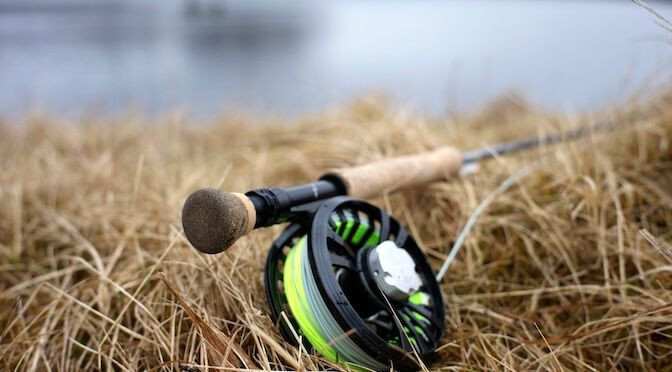
Fly fishing is unique because you use the weight of a thick, special line to cast an almost weightless artificial “fly,” unlike conventional fishing where the lure’s weight does the work. Your essential beginner’s kit is simple: a 9-foot, 5-weight fly rod—the versatile industry standard—paired with a basic reel, a weight-forward floating line, a leader, and a few flies. The ultimate goal is to master this gear to present the fly so naturally that you deceive the fish, which is the core skill you need to learn for how to catch fish.

The basic overhead cast is a simple three-part motion you can learn quickly. It involves a smooth back cast, a distinct pause to let the line unroll behind you, and a crisp forward cast to present the fly on the water.

What is Fly Fishing? The Art of Deception

Fly fishing is a distinct angling method where you use an artificial lure, called a “fly,” to imitate insects and other natural food sources to trick a fish into striking. The key difference from conventional fishing is in the cast. Fly fishing uses a heavy, weighted line to propel a nearly weightless fly, while conventional fishing uses a heavy lure to pull a lightweight line from the reel.

This method has a rich history, with its first recorded mention dating back to the 2nd century, describing Macedonian fishermen using artificial flies. The sport gained significant popularity in Great Britain during the 15th and 16th centuries, evolving into the art form it is today.

Decoding the Gear: Your First Fly Fishing Setup

Your fly rod is the cornerstone of your setup, and for a beginner, a 9-foot, 5 or 6-weight graphite rod is the most versatile and recommended option. This single piece of equipment will allow you to target a wide range of freshwater species, and you can learn more about how to choose the right fishing rod for your needs.

For most freshwater fishing, the fly reel’s main job is simply to hold your line. You will often “strip” the line in by hand to retrieve your fly rather than cranking the reel handle.

A weight-forward (WF) floating line is the best choice for beginners. Its design makes casting easier and keeps your fly on or near the surface, which is perfect for most common fishing situations.

The leader is a tapered, clear line, typically 7.5 or 9 feet long, that connects your thick, colored fly line to the fly. This crucial piece makes the connection invisible to fish. The final, thinnest section of the leader that you tie your fly to is called the tippet.

Flies are generally categorized into three main types, each designed to imitate a different kind of food source:

  • Dry Flies: These float on the surface to imitate adult insects that have landed on the water, like the Parachute Adams or Elk Hair Caddis.
  • Nymphs: These sink below the surface to imitate the larval stage of aquatic insects, such as the Pheasant Tail or Prince Nymph.
  • Streamers: These are larger flies that imitate minnows, leeches, or other small prey. You actively pull, or “strip,” them through the water to trigger a predatory strike. A classic example is the Wooly Bugger.

The Core Mechanics: Mastering the Cast and Drift

The standard overhead fly cast is built on a simple sequence: a back cast, a deliberate pause, and a forward cast. The secret is to stop the rod abruptly at the end of the forward motion. This crisp stop transfers energy down the line, creating a loop that unrolls and propels the fly forward.

When fishing in a river or stream, your primary goal is to achieve a “drag-free drift.” This means your fly must float at the exact same speed as the current. A natural drift makes the fly appear unattached to a line, convincing the fish that it’s a real meal.

A key strategy for success is “matching the hatch.” This is the simple process of observing which insects are currently active on the water and choosing a fly from your box that best imitates their size, shape, and color.

Your First Day on the Water: The 4-Step First Cast Framework

This simple framework will guide you through the essential actions you need to take to get started confidently on the water.

  1. Assemble Your Rig: Connect your reel to the rod seat. Thread the end of the fly line from the reel up through each of the rod guides. Finally, attach your leader to the end of the fly line.
  2. Tie On Your First Fly: The knot connecting your leader or tippet to the fly is your most critical connection. You’ll need to learn a reliable knot, and a great one to start with is the improved clinch knot, so you can feel confident when you learn how to tie an improved clinch knot.
  3. Practice the Overhead Cast: Before you even head to the water, find an open space like a lawn to practice. Work on the timing of the back cast, pause, and forward cast without a fly tied on. Focus on feeling the weight of the line “load” the rod as it extends behind you.
  4. Make Your First Presentation: Once you’re at the water, approach carefully, pick a target, and make your first cast. Don’t worry about distance; concentrate on getting a good, drag-free drift.

Common Pitfalls for the Beginner Angler

By understanding a few common mistakes ahead of time, you can avoid early frustration and focus on learning correctly from the start.

  • The “Windshield Wiper” Cast: A frequent error is waving the rod back and forth without stopping it crisply. Your rod should stop abruptly around the 10 o’clock position in front of you and the 2 o’clock position behind you. This stop is what creates the energy loop that makes the cast work.
  • Forgetting to Pause: The most common mistake is rushing the cast and not allowing the line to fully unroll behind you. If you hear a “snap” like a whip cracking, it means you started your forward cast too soon. Be patient and wait for that slight tug as the line straightens out.
  • Ignoring the Current: If you cast straight across a fast-moving river, the current will immediately grab your line and drag the fly unnaturally. To get a good drift, you need to learn to cast slightly upstream and manage your line as it floats back down.

From Novice to Natural: The Fly Angler’s Journey

Fly fishing is a lifelong passion that combines casting technique, a bit of insect knowledge, and a deep connection with the outdoors. Many consider it an art form that evolves with you as you gain experience.

The skills you learn are incredibly versatile. While often associated with trout in mountain streams, fly fishing can be done anywhere from a local pond for bass to large rivers for salmon. As you progress, you can apply your skills to more complex and rewarding environments, each with its own unique challenges, like learning how to river fish effectively.

Many anglers eventually take the next step in their journey by learning fly tying. This is the art of creating your own flies from materials like feathers and fur, adding another layer of creativity and satisfaction to the sport.

Frequently Asked Questions

What is the main difference between fly fishing and regular fishing?

The key difference is how you cast. In fly fishing, you use the weight of a thick, special line to cast a nearly weightless artificial fly. In conventional fishing, the weight of the lure or bait is what pulls the lightweight line off the reel.

What is the best all-around fly rod for a beginner?

A 9-foot, 5-weight graphite fly rod is the most recommended and versatile option for a beginner. This setup is perfect for learning to cast and can be used to target a wide variety of freshwater species like trout and bass.

What are the three main types of flies?

The three primary categories are dry flies, which float on the surface to imitate adult insects; nymphs, which sink to imitate insect larvae; and streamers, which are larger flies designed to imitate minnows, leeches, and other small prey.

What is a ‘drag-free drift’ and why is it important?

A drag-free drift is when your fly floats naturally with the river’s current, exactly as a real insect would. This is crucial for tricking fish, as any unnatural movement or ‘drag’ caused by the line will make the fly look fake and spook them.

Is fly fishing illegal in the US?

No, fly fishing is perfectly legal. You can fly fish in any body of water where fishing is permitted, as long as you have the appropriate state fishing license and follow all local regulations.

Can you fly fish in saltwater?

Absolutely. While often associated with freshwater trout, fly fishing is a very effective method in saltwater for species like tarpon, bonefish, and redfish. Saltwater fly fishing typically requires heavier rods and flies that imitate crabs, shrimp, and baitfish.

What does ‘matching the hatch’ mean?

Matching the hatch is the strategy of observing which insects are currently active or ‘hatching’ on and around the water. The angler then selects an artificial fly that best imitates the size, shape, and color of that natural insect to fool the fish.

What is the difference between a leader and a tippet?

The leader is the tapered, clear line that connects your thick fly line to your fly, making the connection invisible to fish. The tippet is the final, thinnest section of the leader that you actually tie the fly onto.

How to Spool a Fishing Reel the Right Way: A Complete Guide

The Perfect Spool Primer

Getting your fishing line onto your reel correctly is the single most important step to prevent frustrating tangles and knots. The key is to make sure the line comes off its storage spool in the same direction that your reel’s bail turns. This one simple check will solve the vast majority of spooling problems before they start.

To set yourself up for success, follow these core principles:

  • Prevent Tangles: The most critical factor is matching the direction of the line coming off the bulk spool to the rotation of your reel’s bail. This simple alignment prevents line twist, which is the primary cause of frustrating knots.
  • Avoid Overfilling: Always leave a small gap of about 1/16 to 1/8 of an inch between the line and the outer edge of the spool. Overfilling your reel is the number one reason line jumps off in tangled loops, often called “wind knots.”
  • Maintain Tension: As you wind the line onto the reel, pinch it lightly between your fingers. This constant, light tension ensures the line lays down tightly and evenly, which prevents it from digging into itself under pressure later.

Mastering foundational skills like this is your first step toward success and learning how to catch more big fish.

Why Proper Spooling is Your First Step to a Better Day on the Water

Taking a few minutes to spool your line correctly is the best investment you can make to ensure a smooth, frustration-free fishing trip. This simple task directly impacts your casting distance, how your reel performs, and your ability to land a fish.

Incorrectly spooled line is the main source of “line memory,” which causes the line to coil up and create tangles and loops that can ruin a cast. These frustrating “wind knots” can stop your lure mid-air and force you to spend valuable time untangling messes instead of fishing.

Furthermore, a poorly spooled reel can cause the line to bunch up or dig into itself when you’re fighting a fish. This leads to inconsistent drag performance or, even worse, a sudden line break at the exact moment you can’t afford it. Proper spooling gives you the confidence that your gear won’t fail you.

The Core Principles: Understanding Your Line and Reel

Before you start winding, you need to ensure your line and reel are a good match and understand how their properties work together. This foundational knowledge empowers you to set up your gear for optimal performance.

  • Match Line to Reel: Look for the line capacity numbers printed directly on your reel’s spool. These numbers tell you exactly how many yards of a specific pound-test line the reel is designed to hold, so you can choose the right line for your gear.
  • Understand Line Memory: Monofilament and fluorocarbon lines can retain the shape of the spool they were stored on, a trait called “memory.” You can easily reduce this by soaking the new spool of line in warm water for 10-15 minutes before you begin, which helps it lay flat. If you’re trying to decide between the two, it helps to understand the differences between monofilament and fluorocarbon lines.
  • Use Backing When Needed: “Backing” is a filler line you put on the reel first. If you’re using expensive braided line, you can fill the first half of the spool with cheaper monofilament to save money. For spinning reels, a layer of mono or even cloth tape also gives slick braided line something to grip, preventing it from slipping on the spool.

The 4-Step Tension Spooling Framework: A Universal Method

This simple, four-step framework is a universal method for perfectly spooling a spinning reel every time. Following these steps in order will give you a tight, even line lay that casts smoothly and performs reliably.

  1. Thread & Prepare: Start by running the line from your new spool through the first guide on your fishing rod (the one closest to the reel). Next, flip open the metal bail arm on your spinning reel to prepare it for the line.
  2. Anchor the Line: Wrap the line’s tag end around the center of the spool (the arbor) twice. Tie a simple overhand knot, then a second one on top of it, to create a secure Arbor Knot. Pull it tight, trim the excess tag end, and close the bail arm.
  3. Wind with Tension: Place the new spool of line on the floor with its label facing up. Begin turning the reel handle at a steady pace. As you reel, pinch the line lightly between your thumb and forefinger to apply consistent tension, ensuring it packs onto the reel tightly.
  4. Trim & Finish: Stop reeling when the line is about 1/16 to 1/8 of an inch from the spool’s outer lip. Cut the line from the bulk spool, leaving about 5-6 inches of line hanging from your rod tip.

Once your reel is spooled, you’re ready to tie on your lure. This is the perfect time to learn how to rig a plastic worm for bass and other effective setups.

Adapting the Method: Spooling Different Reel Types

While the core principles of tension and proper fill level apply to all reels, the mechanics differ slightly for baitcasters, spincasters, and fly reels. Here’s how to adapt the method for your specific gear.

Baitcaster Reels

Baitcaster reels do not have a bail arm like a spinning reel. You must first thread the line through the reel’s small line guide before tying it to the spool. To apply tension, use a pencil through the center of the bulk spool to hold it steady while you wind.

Spincast (Closed-Face) Reels

To access the spool on a spincast reel, you have to unscrew and remove the front cone cover. It is critical that you thread your line through the small hole in the cone before you tie it to the internal spool. After tying your knot, simply screw the cone back on and begin reeling.

Fly Fishing Reels

Fly reels use a multi-part system that must be spooled in a specific order to function correctly. You will build your line system in four distinct stages:

  1. Backing: First, attach 50-100 yards of 20-30 lb test braided line directly to the reel. This provides extra capacity for long-running fish.
  2. Fly Line: Next, connect your 80-90 ft tapered fly line to the backing using an Albright Knot.
  3. Leader: Connect a 9 ft tapered monofilament leader to the front end of the fly line.
  4. Tippet: Finally, add a 2-4 ft section of fine tippet material to the end of the leader. This is the section you will tie your fly to.

Avoiding “Line-Strophes”: Common Spooling Mistakes

You can avoid nearly every common spooling problem by watching out for a few simple mistakes. Being aware of these issues ahead of time will help you get a perfect result on your first try.

  • Ignoring Line Twist: If you notice your line starting to twist and kink as you reel it on, stop immediately. Flip the bulk spool over so the label faces down and continue reeling. This reverses the direction and instantly eliminates the twist.
  • Inconsistent Tension: Winding line on loosely is a major mistake. Loose coils will dig into each other under pressure, causing the line to “bite” and snap when you set the hook or make a hard cast. Always maintain firm, consistent tension.
  • Overfilling the Spool: This is the number one cause of line jumping off the reel in tangled loops. Resisting the urge to fill the spool to the very edge and maintaining that 1/16 to 1/8 inch gap is crucial for performance.
  • Forgetting Backing with Braid: Braided line is incredibly slick and will spin freely on a bare metal spool, making it impossible to get a good hookset or use your drag. Always start with a base layer of monofilament or a single wrap of electrical tape to give the braid something to grip.

From Spool to Water: Your Next Steps as a Confident Angler

With a perfectly spooled reel, you have built a reliable foundation for your entire fishing setup. Your gear is now correctly prepared for smooth casting and dependable performance when it matters most.

The final step before you can make a cast is to attach your hook or lure to the end of the line. This is where learning a few strong, reliable knots becomes absolutely essential for any angler.

Mastering a few key fishing knots is a critical skill, and a great one to start with is learning how to tie the Palomar knot due to its strength and simplicity. You’ve successfully cleared one of the biggest hurdles for new anglers, and you can now rig your gear with the confidence that it’s ready for action.

Frequently Asked Questions

What is the most important rule for spooling a fishing reel?

The most critical rule is to ensure the line comes off the bulk spool in the same direction that your reel’s bail rotates. This simple alignment prevents line twist, which is the primary cause of tangles and wind knots.

How much line should I put on my fishing reel?

You should fill the reel until the line is about 1/16 to 1/8 of an inch from the outer edge of the spool. Overfilling the spool is the most common reason line jumps off in tangled loops when you cast.

Why is it important to keep tension on the line while spooling?

Applying light, consistent tension by pinching the line ensures it lays tightly and evenly on the spool. This prevents the line from digging into itself under pressure, which can cause it to snap during a cast or while fighting a fish.

Should I soak braided fishing line before spooling?

Yes, lightly soaking braided line in warm water before spooling can be beneficial. It helps the fibers relax and lay more smoothly on the spool, which can reduce friction and prevent the line from digging into itself.

How do you set up a fishing line for beginners?

First, run the line from the new spool through the first guide on your rod. Then, tie the line to your reel’s spool and wind it on under tension until it’s nearly full. Finally, cut the line and thread it through the remaining guides on your rod before tying on your lure.

How often should you change your fishing line?

You should replace your fishing line at least once a year, or sooner if you notice it has become brittle, discolored, or easily tangled. It’s also time for a change if the line feels rough or you’ve lost a significant amount from breaking off on snags.

What is the fastest way to remove old fishing line from a reel?

The fastest method is to use a power drill. Secure an empty line spool in the drill’s chuck, tape the end of the old line to it, and use the drill to quickly wind the line off your reel and onto the empty spool for easy disposal.

Why does braided line slip on the spool?

Braided line is extremely slick and has no stretch, so it can’t grip a smooth metal spool on its own. To prevent it from spinning freely, you must first add a base layer of monofilament line or a single wrap of electrical tape for the braid to bite into.

An Essential Guide to Tying Strong & Easy Fishing Knots

The Angler’s Knot Confidence Blueprint

You don’t need to learn hundreds of knots to be a successful angler. By mastering just 3-5 essential knots and understanding how to tie them correctly, you can confidently handle the vast majority of fishing situations you’ll ever face.

  • The single biggest factor in knot strength is proper technique. Simply lubricating your line with water or saliva before tightening prevents friction damage and dramatically increases reliability.
  • A reliable knot is the foundation of all successful fishing, as it’s the final connection between you and the fish, directly impacting how you can catch more fish.
  • Different knots are tools for specific jobs. The key is learning which knot to use for attaching a hook versus joining two lines together.

Why Your Knot is the Most Critical Link in Your Gear

A poorly tied knot is the weakest point in your fishing line and can easily cut its breaking strength in half. This makes knot failure the single most common reason for losing a fish, turning a moment of excitement into one of frustration.

By design, any knot is a potential weak point. A badly tied knot in standard monofilament line can break at less than 50% of the line’s rated strength, meaning your 10-pound test line might snap under just 5 pounds of pressure.

You should be skeptical of claims about knot strength. Performance figures over 50-70% are often unrealistic under real-world fishing conditions, so testing your own knots is the best way to build true confidence in your setup.

A good knot has two key characteristics: it’s compact and it’s reliable. It must be strong enough to hold under pressure but also smooth enough to pass through the guides on your fishing rod without snagging.

Specialized methods like fly fishing depend on a complete system of different knots to connect the backing, fly line, leader, and tippet. This chain of connections is only as strong as its weakest link, which is why having the best fly tying kits and materials is just the start.

The P.L.A.N. Protocol: A 4-Step System for Flawless Knots

The P.L.A.N. Protocol is a simple, 4-step system you can use to tie any fishing knot perfectly. Instead of just memorizing steps, use this universal protocol to ensure every knot you tie is as strong and reliable as possible.

  • P: Prepare your line. First, select the right knot for your line material (e.g., monofilament, braid) and the specific job you need it to do, whether that’s attaching a hook, joining lines, or making a loop.
  • L: Lubricate the knot. Before you pull it tight, use water or saliva to moisten the lines. This simple step prevents friction heat from weakening the line and allows the coils to slide together smoothly and securely.
  • A: Apply steady tension. Pull the main line and the tag end with slow, even pressure. This allows the knot’s structure to form correctly and cinch down without any part of the line biting into and damaging another.
  • N: Neatly trim the tag end. Once the knot is fully tightened and secure, use a nail clipper to trim the excess tag end close to the knot. This creates a clean finish that won’t snag on weeds or foul your line.

Your Starting Lineup: 5 Essential Knots for Every Angler

You can handle over 99% of common fishing situations by mastering these five essential, workhorse knots. Practice them at home until you can tie them with your eyes closed, and you’ll be prepared for anything on the water.

The Palomar Knot (The Strongest & Easiest)

Widely considered one of the strongest and easiest knots to tie, the Palomar is the top choice for securing hooks and lures, especially with slick braided fishing line.

  1. Double about six inches of line and pass the resulting loop through the eye of the hook.
  2. Tie a simple, loose overhand knot in the doubled line, leaving a large loop open.
  3. Pass the entire hook back through the large loop.
  4. Moisten the line and pull both the main line and the tag end to tighten it down. Trim the excess.

The Uni Knot (The All-Rounder)

This is an incredibly versatile knot for attaching your line to terminal tackle like hooks and swivels. It’s also excellent for joining two lines together.

  1. Run the line through the hook eye, then double it back to form a circle parallel to the main line.
  2. Wrap the tag end around the doubled line 5-6 times, passing it through the inside of the circle you formed.
  3. Moisten the line, then pull the tag end to snug the wraps together.
  4. Finally, pull the main line to slide the knot down securely to the hook eye.

The Uni knot’s versatility makes it useful for fundamental tasks beyond just tying on a hook, including learning how to spool a new fishing reel.

The Improved Clinch Knot (The Classic)

This is a time-tested, reliable knot that has been a favorite for decades. It’s an excellent choice for tying monofilament line to a hook, lure, or swivel.

  1. Thread the line through the hook eye and make 5-7 wraps around the standing line.
  2. Pass the tag end through the first small loop that formed behind the eye.
  3. Now pass the tag end back through the large loop you just created.
  4. Moisten the line and pull both ends slowly until the knot is tight, then trim the tag end.

This knot is a go-to for securing terminal tackle, which is the first step in learning how to properly bait a minnow for a natural presentation.

The Surgeon’s Knot (The Simplest Joiner)

This is the fastest and easiest knot for joining two lines together. It works perfectly even if the lines have different diameters or are made of different materials, like monofilament and fluorocarbon.

  1. Lay the main line and leader line parallel to each other, overlapping by several inches.
  2. Treating the two lines as a single strand, tie a simple overhand knot.
  3. Pass both lines through the loop a second time. This is what makes it a “Surgeon’s” knot.
  4. Moisten the knot and pull all four ends evenly to tighten it. Trim both tag ends.

The Rapala Knot (The Lure Animator)

This is a non-slip loop knot that gives your lures more freedom of movement. It’s the perfect choice for lures like crankbaits, allowing them to have a more natural, unimpeded action in the water.

  1. Tie a loose overhand knot in the line about 5-6 inches from the end.
  2. Pass the tag end through the lure’s eye and then back through the overhand knot.
  3. Wrap the tag end around the standing line three times.
  4. Pass the tag end back through the overhand knot again, then through the new loop that just formed.
  5. Moisten the line and pull on the main line, tag end, and lure to tighten the knot.

The 3 Mistakes That Cause 90% of Knot Failures

Nearly all knot failures come from three common and easily avoidable mistakes. By understanding these pitfalls, you can ensure your knots are strong and reliable every single time.

  • Skipping Lubrication. Tightening a dry knot creates intense friction and heat, which can damage and weaken the line by 20-30% before it even touches the water. The coils can also bind and fail to seat correctly, creating a critical weak point.
  • Incorrect Tightening. Jerking the line to tighten it is a common error that causes the wraps to cinch down unevenly. This can even cause parts of the line to cut into each other. A slow, steady pull is crucial for the knot to form its intended, strong structure.
  • Mismatched Knot and Line. Using a knot that isn’t suited for your line type is a recipe for failure. For example, the Improved Clinch Knot is excellent for monofilament but is prone to slipping with slick braided lines. For braid, always default to a super-secure knot like the Palomar.

Tying It All Together: The Confidence of a Perfect Knot

The goal was never to learn hundreds of knots. The goal was to gain the confidence that the few knots you do know are tied perfectly every single time. By mastering the essentials and applying the P.L.A.N. Protocol, you have achieved that.

The confidence that comes from knowing your gear is secure is a game-changer. It allows you to focus your mental energy on finding and catching fish, not worrying about whether your equipment will fail at the critical moment.

You are no longer an anxious novice worried about a complex topic. You are now a capable angler who can rig your gear with reliable, proven knots for any situation, ready to make the most of your time on the water.

Frequently Asked Questions

How many fishing knots do I really need to learn?

You don’t need to learn hundreds of knots to be a successful angler. By mastering just 3-5 essential knots like the Palomar, Uni, and Surgeon’s Knot, you can confidently handle over 99% of common fishing situations.

What is the best knot to tie a fishing hook?

The Palomar Knot is widely considered the best and strongest knot for tying on hooks and lures. It is exceptionally reliable, easy to tie, and works perfectly with all types of fishing line, including monofilament and slippery braid.

Why is it so important to lubricate a fishing knot before tightening?

Lubricating a knot with water or saliva is critical because it prevents friction heat from damaging and weakening the line as you pull it tight. This simple step allows the knot’s coils to cinch down smoothly and securely, dramatically increasing its final strength.

What is the most common reason for a fishing knot to fail?

The vast majority of knot failures are caused by three simple mistakes: skipping lubrication, jerking the line tight instead of using steady pressure, or using the wrong knot for your line type. For example, an Improved Clinch knot is prone to slipping with braided line.

What is the easiest knot for joining two different fishing lines?

The Surgeon’s Knot is the fastest and easiest method for joining two lines, even if they have different diameters or are made of different materials. It’s the perfect choice for connecting a fluorocarbon leader to a monofilament or braided main line.

What knot gives a lure the most natural action in the water?

The Rapala Knot is the best choice for maximizing lure action. It is a non-slip loop knot that allows lures like crankbaits and jigs to pivot and move freely, resulting in a more natural and enticing presentation.

How do you tie a basic Fisherman’s Knot?

The Fisherman’s Knot, a common name for the Clinch Knot, is tied by passing the line through the hook eye and wrapping the tag end around the main line 5-6 times. Then, pass the tag end through the small loop near the hook eye, back through the larger loop you just created, and pull tight.

What is the Arbor Knot used for?

The Arbor Knot has one specific purpose: to attach your fishing line or backing to the spool (the arbor) of your fishing reel. It is the very first knot you tie when putting new line onto a reel to ensure it doesn’t slip.

How to Catch Fish: A Complete Guide from Bait to Plate

The First Cast Compass: Your Guide to Catching Fish

The single most important principle for catching fish is the “90/10 Rule”: 90% of the fish are found in just 10% of the water. Your first job isn’t just casting; it’s learning to identify these active zones where fish congregate.

Success also depends heavily on timing. You will find fish are most active and feeding during the cooler hours of the early morning and late evening, making these the best times to be on the water.

You don’t need a garage full of expensive gear to get started. A simple closed-face reel, a basic rod, and a small tackle box are all you need to catch your first fish and begin building a lifetime of skill. While this guide focuses on conventional spin fishing, it’s just one of many ways to enjoy the sport, and you may eventually want to explore what fly fishing is.

The Angler’s Advantage: Why 90% of Fish Are in 10% of the Water

Your success as an angler is determined more by where you cast than how you cast. This is because of the “90/10 Rule,” a core principle stating that 90% of fish are concentrated in 10% of the water, with some experts believing it’s as extreme as 99% of fish in 1% of the water.

This means your primary goal is to find these hotspots, not to cast randomly into empty water. You can dramatically increase your chances by learning to read the environment and identify places where fish feel safe and can find food.

Look for areas with structure and environmental changes, as these are natural magnets for fish. Key features to watch for include:

  • Cover: Fallen trees, submerged rocks, and weed beds provide protection from predators.
  • Current Breaks: In rivers, fish will hold in the calmer water behind rocks or in swirls to conserve energy.
  • Depth Changes: Ledges, drop-offs, and the edges of channels are natural travel lanes for fish.
  • Unique Features: Beaver ponds and slow-moving sections of a stream are often highly productive.

If you aren’t getting any bites within 15-20 minutes, it’s time to move. Work your way along the bank, casting to different pieces of structure until you find where the fish are holding. This strategic approach is fundamental to how you can fish in a river effectively.

Gearing Up: Your Essential First Fishing Kit

You can assemble a complete, effective fishing kit with just a few simple and affordable items. The goal is to start with gear that is easy to use, allowing you to focus on the fundamentals of finding and catching fish.

For a new angler, the reel is the most important choice. A closed-face reel is the easiest to learn, while an open-faced reel offers better casting distance once you’re comfortable.

Reel TypeBest ForKey Feature
Closed-Face (Spincast)Absolute BeginnersPush-button operation makes casting simple and tangle-free.
Open-Face (Spinning)Advancing BeginnersOffers greater casting distance and accuracy.
BaitcasterAdvanced AnglersProvides maximum control but requires significant practice.

Rods come in two main styles suitable for beginners. Telescoping poles are highly portable and can fit in a backpack, while longer two-piece poles will allow you to cast farther from the bank.

Your first tackle setup should be simple and targeted at a common species like trout. All you need are these four components:

  • Hook: The size of the hook should match the size of the fish’s mouth you are targeting.
  • Bobber: This small float suspends your bait at a specific depth and visually signals when a fish bites.
  • Sinkers: These small weights help you cast farther and get your bait down to the fish.
  • Bait: A simple worm is one of the most effective baits for a wide variety of fish.

While this setup is for spin fishing, those interested in other methods will need different gear, such as the best fly rod for trout fishing.

The Great Debate: Choosing Between Natural and Artificial Bait

Your choice of what to put on the hook comes down to two categories: natural bait or artificial lures. Natural bait, like worms, appeals to a fish’s sense of smell and taste, while artificial lures trigger a fish’s predatory instinct through movement and vibration.

For beginners, natural bait is often the most reliable option. You can easily dig for worms in a garden or buy them from a local bait shop.

Putting a worm on a hook correctly is a critical skill that ensures it stays on during your cast and looks natural in the water. Here is a simple, effective method:

  1. Hold the hook firmly in one hand and the worm in the other.
  2. Pierce the worm through its thickest section, about a quarter-inch from the head.
  3. Thread the worm up the hook’s shank, covering most of it.
  4. Pierce the hook back out through the side of the worm.
  5. Leave a small tail section dangling to create enticing movement in the water.

This is a fundamental skill, and you can find more detailed guides on how to put a worm on a hook.

Artificial lures are a great option once you’re comfortable casting. For bank fishing in ponds or small lakes, smaller lures are often more effective. Look for versatile options like 3-inch plastic grubs or 1/8-ounce spinnerbaits that can attract multiple species.

The First Catch Protocol: A 4-Step Plan for Landing Your Fish

Catching a fish can be broken down into a reliable, four-step process. By focusing on mastering each phase in order, you can turn a moment of luck into a repeatable skill.

Step 1: Prepare Your Tackle

Before you cast, your gear must be ready. This means selecting your bait or lure and attaching it securely to your line with a strong knot. A poorly tied knot is one of the most common reasons anglers lose fish, so it’s worth learning how to tie a good fishing knot.

Step 2: Master the Cast & Retrieve

Practice casting in your yard to build muscle memory without the pressure of being on the water. If you make a bad cast, don’t worry—just reel it in and try again.

Once your lure is in the water, the retrieve begins. Varying the speed and style of how you reel in your line is key to triggering a bite. A simple stop-and-go retrieve, where you reel for a few seconds and then pause, can often convince a hesitant fish to strike.

Step 3: Set the Hook

A “strike” is the moment a fish bites your bait or lure. You might feel it as a sharp tap, a heavy pull, or see your bobber suddenly dive underwater.

Your immediate reaction should be to “set the hook.” This is a firm, upward snap of the rod that drives the point of the hook securely into the fish’s mouth.

Step 4: Land the Fish

Once the hook is set, the fight begins. Keep your rod tip up and let the fish tire itself out against the bend of the rod and the drag of your reel. Avoid reeling frantically; use steady pressure to guide the fish toward you.

When the fish is close to the bank, guide it into shallow water where you can securely lift it out. To remove the hook safely, use your fingers, a dedicated hook remover, or a pair of pliers.

Avoiding the Empty Stringer: Common Mistakes Novice Anglers Make

Learning to avoid common pitfalls is just as important as learning the right techniques. By understanding these frequent mistakes, you can save yourself hours of frustration.

  • Staying in One Spot Too Long: The most common mistake is fishing in empty water. If you’re not getting bites, trust the 90/10 Rule and move to a new location with better structure.
  • Giving Up on a Spot Too Soon: If you get a bite but fail to hook the fish, don’t immediately leave. Try fishing the same area with a different lure or a slower retrieve to trigger another strike.
  • Using Lures That Are Too Big or Bright: In clear or heavily fished water, fish can be wary. Downsizing to smaller, more natural-colored lures will often get you more bites than large, flashy ones.
  • Having an Improperly Spooled Reel: Line that is wound too loosely or too tightly on a reel can cause frustrating tangles, often called “bird’s nests.” Learning how to put new fishing line on a reel correctly is a crucial maintenance skill.
  • Ignoring the Weather: Weather has a huge impact on fish behavior, especially in smaller bodies of water. A sudden cold front can make fish inactive, while an overcast day can make them feed aggressively.

From Water to Plate: The Complete Guide to Your Catch

Successfully catching a fish is an incredibly rewarding experience, and learning how to handle your catch properly completes the journey. The most important rule is to practice responsible harvesting: only keep what you plan to eat.

If you don’t plan to eat the fish, release it quickly to maximize its chance of survival. If you are keeping it, use a stringer to keep it alive and fresh in the water while you continue fishing.

When you are ready to prepare your meal, follow these steps to clean your fish:

  1. Dispatch: Humanely kill the fish with a quick, sharp blow to the head just behind the eyes.
  2. Scale: Use the back of a knife or a scaler to scrape the scales off, moving from the tail toward the head.
  3. Gut: Make a shallow incision from the fish’s anus up to its gills and carefully remove the internal organs.
  4. Rinse: Thoroughly rinse the inside of the fish with cold water. Dispose of the innards responsibly, either by burying them or sealing them in a bag.

One of the simplest and most delicious ways to cook fresh fish is to pan-fry it. Coat the fish in flour or corn meal, place it in a hot, oiled pan, and cook for about five minutes per side until the meat is flaky and opaque.

To eat a cooked trout, simply use a fork to scrape the meat away from the central backbone. The skin and tail will become crispy and are also delicious to eat. For long-term storage, you can also preserve your catch by freezing or canning it.

Frequently Asked Questions

What is the most important rule for beginner anglers?

The most important principle is the ’90/10 Rule,’ which states that 90% of fish are found in only 10% of the water. This means your first job is to learn how to identify productive spots with cover, structure, or depth changes, rather than casting randomly into empty water.

What is the best time of day to go fishing?

The best times to fish are typically during the cooler hours of the early morning and late evening. During these periods, fish are most active and feeding, which significantly increases your chances of getting a bite, especially in warmer months.

What basic gear do I need to start fishing?

For a beginner, all you need is a simple setup: a closed-face (spincast) reel, a basic rod, and a small tackle box. Your first tackle should include hooks, bobbers, sinkers, and a simple natural bait like worms.

How do you attract fish while fishing?

The most effective way to attract fish is by using bait that appeals to their sense of smell. Live bait like worms is a classic choice, but other options like cheese can be a very effective and convenient alternative for attracting species like carp, tench, and catfish.

How do you safely release a fish?

To maximize a fish’s chance of survival, handle it as little as possible and always with wet hands to protect its natural slime coat. Remove the hook quickly with pliers or a hook remover and gently place the fish back in the water, supporting it until it swims away strongly on its own.

What is the purpose of setting the drag on a fishing reel?

The drag is a critical safety feature that allows a fish to pull line from the reel under steady pressure. It should be set tight enough to securely set the hook, but loose enough to let a strong fish run and tire itself out without snapping your line.

Why do fish go into deep water on hot afternoons?

Fish are cold-blooded and seek out their preferred water temperature. On hot, sunny afternoons, the surface water warms up, so fish move to deeper, cooler water to stay comfortable and find areas with more dissolved oxygen.