Last updated on May 26th, 2026.
The direct answer is 15 to 20 percent of the trip cost in the United States, with 20 percent the working default for a competent day and the floor moving up for exceptional service. On a $600 full-day fly-fishing guide trip that’s $90 to $120, handed over in cash at the truck or the takeout. On a saltwater charter where the boat carries a captain plus a deckhand (the mate who rigs lines, gaffs fish, and cleans the catch), the captain gets the same percentage on the trip price and the deckhand gets $20 to $50 separately, depending on the day’s length and the volume of fish handled. International rates run a little lower in most of Europe and a little higher at top-tier American destination lodges where the guide is part of an all-inclusive package. Below that simple frame, the questions worth answering are what the guide is actually doing for that money, when to push the number above or below the default, and the practical mechanics of cash, timing, and the small extras that matter more than people expect.
Having been on both sides of the boat (I manage a fishery at Heidarvatn and have spent days as both client and operator), the part most first-time clients miss is that tipping isn’t a reward layered on top of a fair price. The booking fee covers boat, fuel, insurance, ramp fees, gear, and the day’s hours on the water. The tip is the working margin that turns guiding from a break-even hobby into a livable income. That’s why the percentage is non-optional in the way it is in restaurants, and why the language guides use for “no tip” is the same language they use for “I will not work with this client again.”
The standard rates by trip type
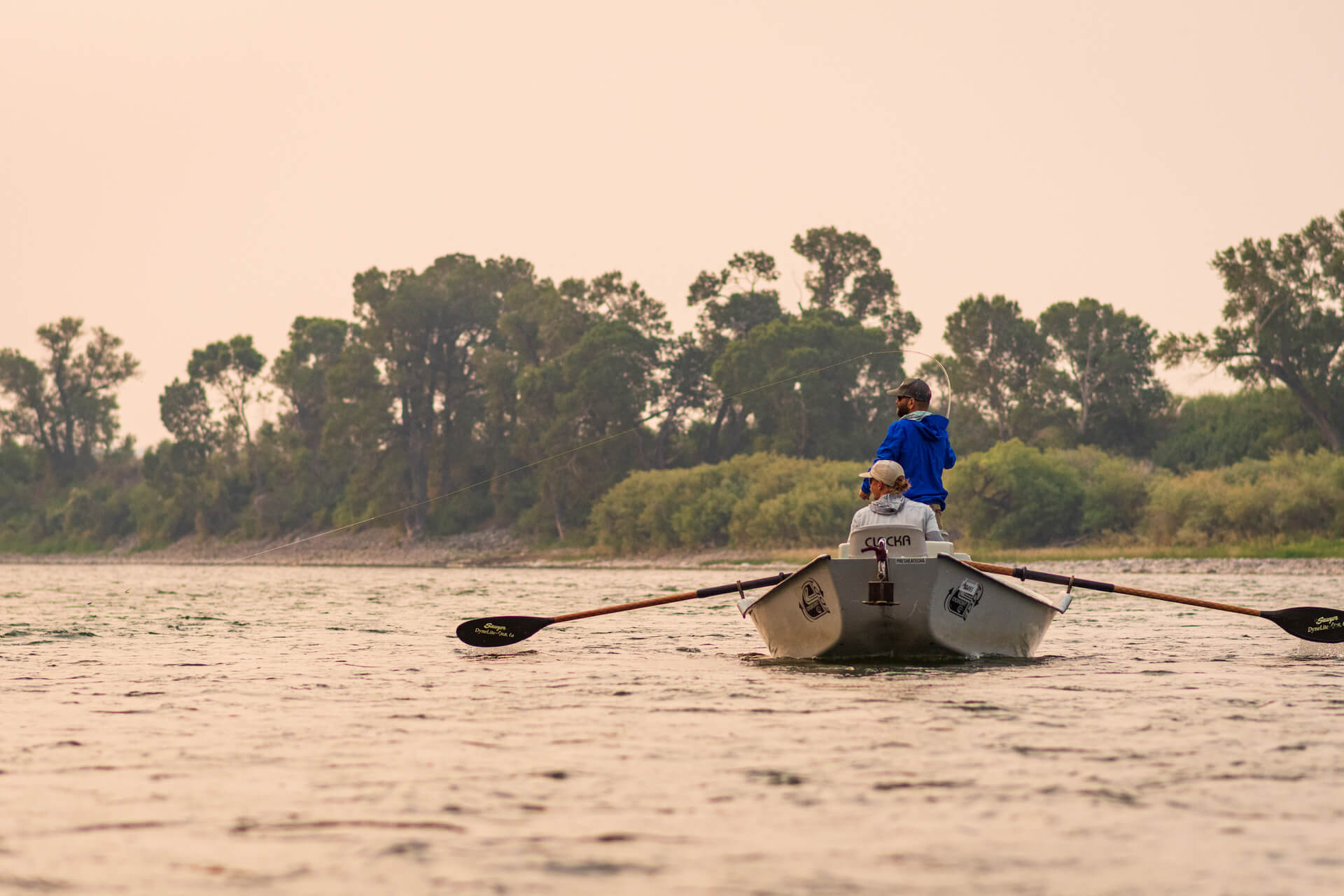
The 15 to 20 percent window is the US fly-fishing default and applies cleanly to walk-and-wade trips, drift-boat float trips, and most freshwater situations where one guide is in the boat with one or two clients. A $500 wade-trip day pays $75 to $100. A $700 drift-boat day with two anglers in the boat (the trip cost is the boat’s day rate, not per angler) pays $105 to $140 from the pair combined. Splitting between two clients is standard and expected. The guide quotes one number and the math doesn’t double.
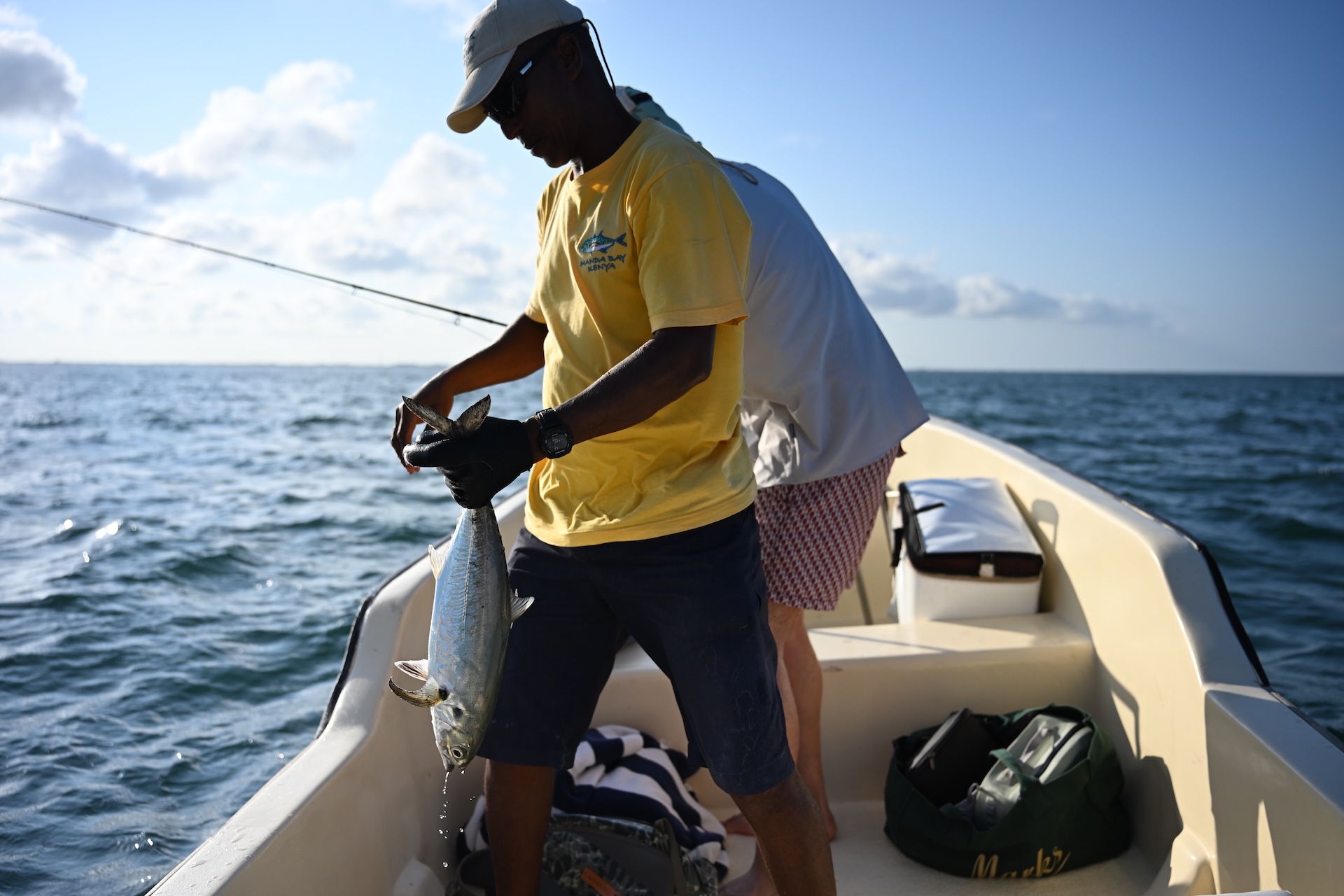
Saltwater charters work differently because the boat carries a crew. The captain owns or runs the vessel and is the one navigating, calling spots, and making the decisions. The deckhand (or “mate”) rigs lines, baits hooks, gaffs and cleans fish, and handles the operational labor that keeps the captain free to drive and read water. The convention is 15 to 20 percent of the trip price tipped to the captain, plus a separate $20 to $50 in cash to the deckhand, handed directly. On a half-day inshore charter that’s a $20 to $30 deckhand tip; on a full-day offshore trip with heavy fish handled, $50 is appropriate. A successful trip with a notably good mate can push the deckhand number to $75 or $100. The percentage to the captain doesn’t decrease because there’s a mate; the mate’s cash is on top.
International rates compress. European saltwater charters and continental fly-fishing guides generally see 10 to 15 percent as the working norm, with 20 percent reading as exceptional. UK ghillies (the traditional river-keeper-guide role on Scottish salmon and Atlantic-system rivers) have a different convention again: a flat £20 to £50 per rod per day depending on the beat and the day. South American destination lodges (Argentine Patagonia, Chilean lodges, Bolivian dorado) typically build the guide tip into the package recommendation, with $100 to $150 per rod per day on top of a $5,000+ week, paid to the guide pool at the end. The lodge will tell you the convention on arrival, and that number is the working answer.
All-inclusive lodges in Alaska, the Bahamas, and Belize follow the same pattern. The lodge sets the tipping guidance (often 8 to 12 percent of the total package price, distributed across guides and staff), and the front desk will hand you an envelope on the last evening with instructions. That guidance is the answer, not the 20 percent freelance rate.
Half-day trips don’t get half-tipped. The percentage works against the half-day price, but the floor in cash terms stays high enough that on a $300 half-day, $60 (20 percent) is the correct tip, not $40. Guides do the same prep work for a half-day as a full day on the launch and return side, and the percentage already accounts for the shorter water time. For how guided trips fit into a beginner’s path into the sport, the rate frame matters more than the duration.
What the guide is actually doing for that money
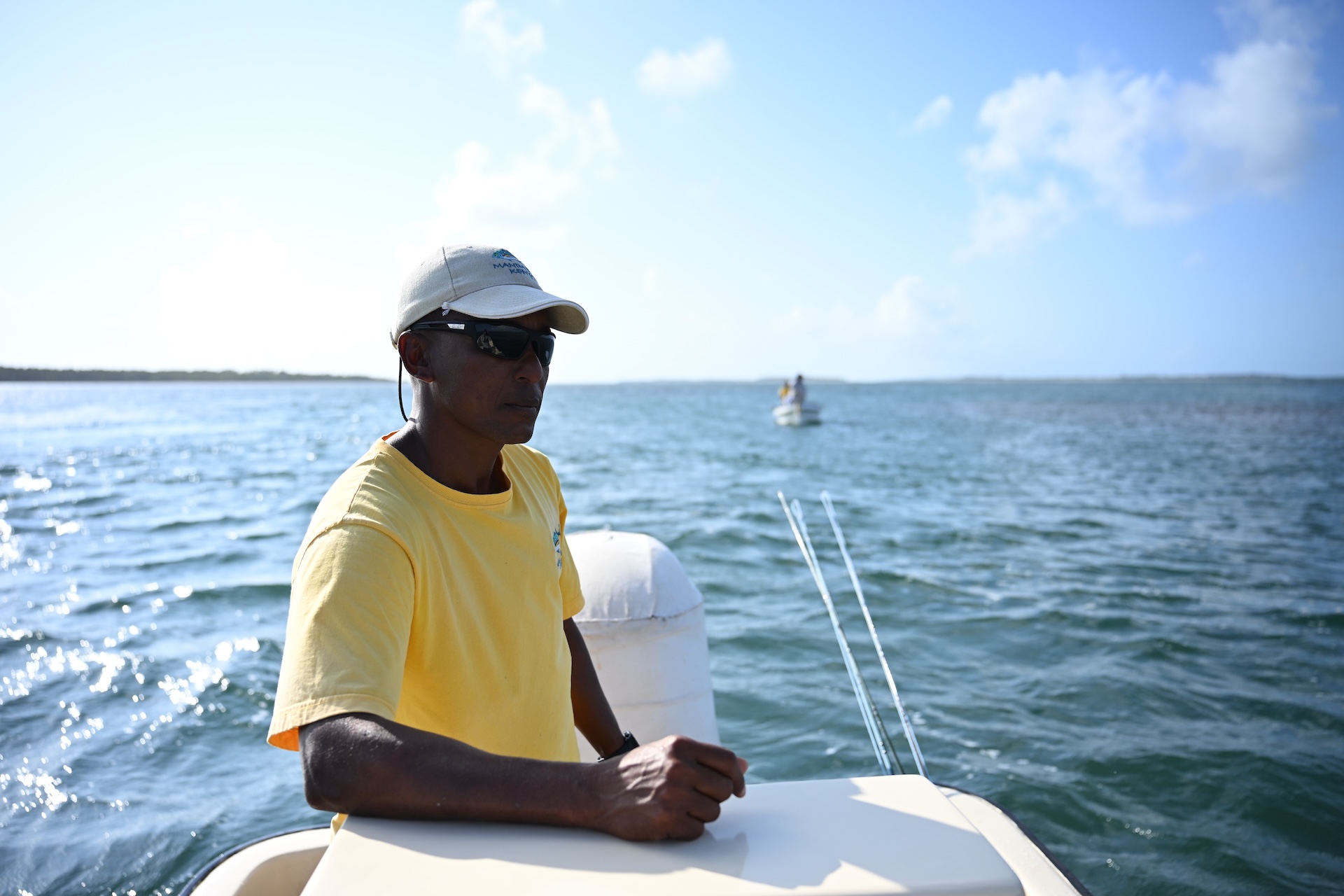
The visible part of the day is the eight hours on the water. The invisible part runs from roughly 4 AM to 9 PM and is the reason tipping is non-optional rather than discretionary.
A guide’s pre-trip work starts the evening before. Boat prep means fuel, ramp fees pulled, gear staged, leaders pre-tied for the day’s expected conditions, fly boxes refreshed for what’s hatching, lunches packed (which on most guided trips is included and is the guide’s expense and labor), and a pre-dawn check on weather, river flow, and the previous day’s fish reports. Pre-dawn scouting on rivers the guide doesn’t fish daily can mean a drive to a stretch to look at water clarity before committing the client to that float. On saltwater the same logic runs through bait acquisition, tide-window calculation, and a check on offshore weather that might force a re-route mid-trip.
On the water itself the work is constant. Setting up rods for the client, retying tippets when a fish breaks off, handling fish at the net (which is when the guide is most exposed to barbed hooks and slick boat decks), rowing or running the boat across the holding water, calling casts, and managing the emotional weather of a client who may be having the best or worst fishing day of their life. The good guides absorb client frustration without transmitting it back; the labor of that is real.
After the takeout the guide cleans the boat, washes lines, dries waders, re-stocks the fly boxes against the day’s losses, refuels for the next day, and posts the client photos that drive their next bookings. On lodge work the guide is back at the docks at 6 AM the next morning to do it again with a new client. The day’s gross-to-net math, after fuel and insurance and gear amortization, is closer to $30 to $50 per hour of paid work than the $100+ the booking fee suggests. Guide income is the tip, not the booking fee. Anglers who don’t tip aren’t saving money; they’re transferring the cost from themselves onto the guide. The honest internalization of that is what makes the number feel non-arbitrary.
When to tip more, when to tip less
The exceptional-day case is the easy one. The guide put you on better water than the conditions suggested, taught you something about the river or your casting that stays with you, handled a tough client in your party with grace, or worked through a mechanical problem (a broken oarlock, a fouled motor) without losing fishing time. Push to 25 percent or round up to a clean larger number. Cash always.
The mediocre-day case is harder. The guide showed up, fished competently, and the day was unremarkable. The default is still 20 percent. Dropping below 15 percent communicates “I will not book you again and I’d like you to know it,” which is a statement worth making only when the guide actually misbehaved (showed up hungover, was rude to your partner, fished the wrong water and refused to move, drank on the boat). For a day that was just slow because the fish didn’t cooperate, the standard 20 percent is correct. Fish refusal is not the guide’s fault. The river doesn’t owe anyone a fish, and a guide who put in the work and put you in good positions did their job regardless of what happened at the end of the line.
The bad-weather case is the most-asked question and has a counterintuitive answer. When the trip gets cut short by storm or the day is brutalized by wind and cold, anglers often instinctively want to tip less. The correct answer is the opposite: tip the full 20 percent of the original quoted trip, and tip more if the guide kept you safe and got you off the water in time. The guide doesn’t control the weather, takes the same hit on a half-day that you do, and the labor of running a boat in unfavorable conditions is harder, not easier, than a calm day. Anglers who pre-commit to this in their head before the trip starts don’t have to make the decision in the moment.
The hosted-media or comped-trip case (a “free” trip arranged through a magazine, lodge marketing, or brand partnership) reverses the tip frame. The guide may not be getting paid by the host the same way they’d get paid by a paying client, which means the tip is the entire compensation. Ask the host before the trip what’s expected. The honest answer is usually “tip the guide what you’d tip if you’d booked this directly,” and that’s often $200 to $300 for a full day in cash on top of whatever the host arranged.
Equipment failure is the guide’s responsibility when the equipment is theirs. A broken rod, a leaking wader the client borrowed, a reel that seized: none of these reduce the tip, because they’re already absorbed by the guide’s gear-replacement budget. If the failure cost you fishing time, the guide will often comp a future trip or extend the day; the tip stays at 20 percent.
The decision logic: picking the number and handing it over
Pre-decide the percentage before you arrive at the launch. 20 percent for a normal day, 25 percent for an exceptional one, 15 percent only for a day where the guide did something genuinely wrong. Carrying the math in your head from the start removes the awkwardness of doing it in front of the guide at the takeout.
Cash beats card in every case where cash is available. Many outfitters now accept tip-on-card through the booking platform, and this works, but the guide pays processing fees on the tip (2 to 3 percent) and the money takes a week to clear. Cash is immediate, anonymous, and means the full number reaches the guide. Bring smaller bills: a stack of twenties is more useful than a hundred and three twenties when you’re calibrating to the actual day. ATM beforehand if needed.
The handover happens at the takeout, after the boat is loaded and before the goodbye handshake. A folded bill into a handshake is the traditional move; an envelope with the cash inside (especially on lodge trips where you’re tipping a guide pool through the front desk) is the formal version. On charter boats with a separate captain and deckhand, hand the deckhand’s tip directly to the deckhand at the dock when fish are being cleaned, not through the captain. The deckhand’s tip is their tip; routing it through the captain is bad form.
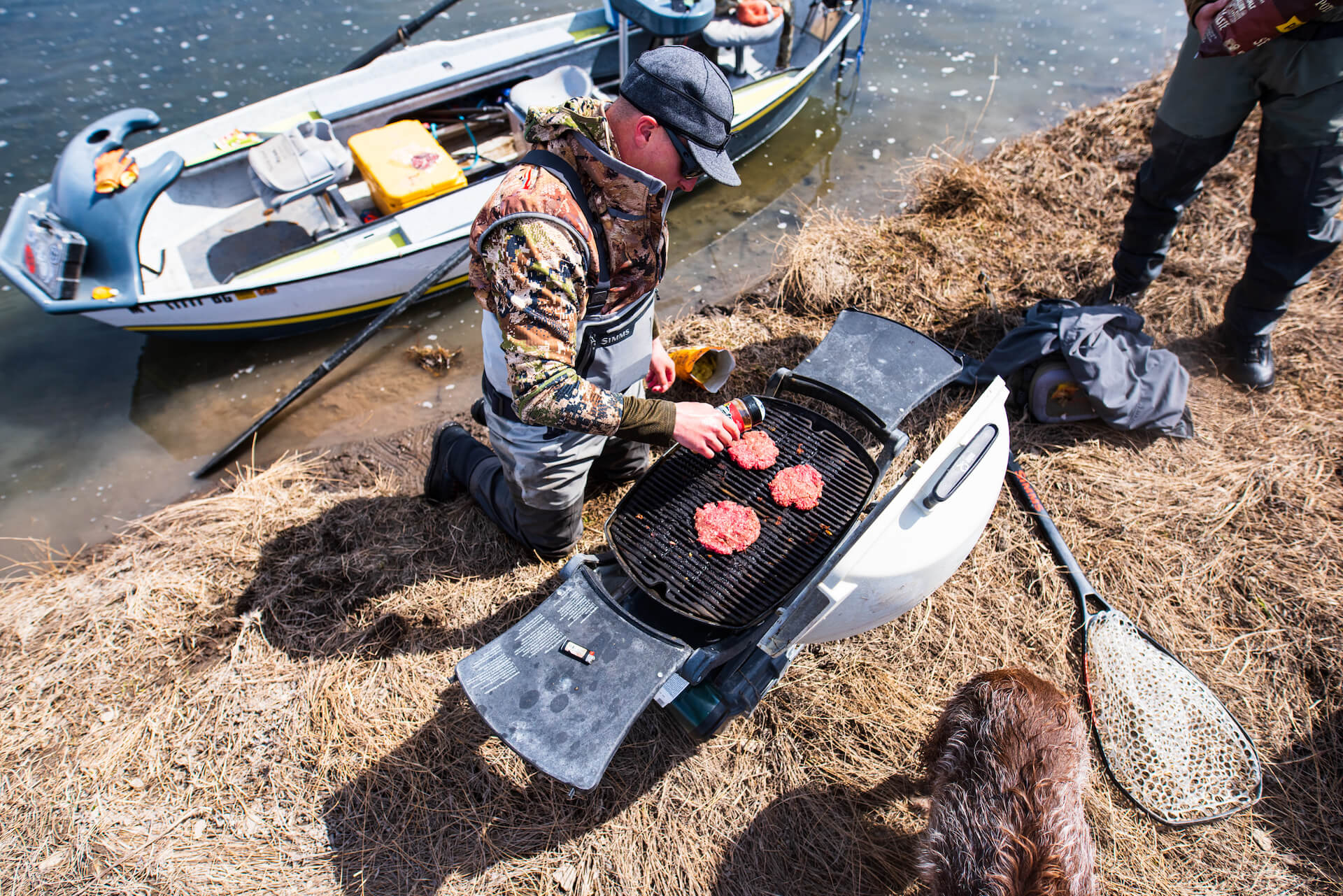
Beyond cash, the small extras matter more than first-time clients realize. Bring coffee for an early start (the guide will have been up two hours before you). Bring a cold six-pack for the takeout if it’s warm and the guide drinks (ask first; many don’t drink on workdays, and some lodges prohibit it). A genuine thank-you note for a repeat guide, mailed after the trip, is remembered for years and is the single best thing for getting the same guide booked for next season on a popular date. Photos shared promptly to the guide’s social handle help their bookings the way a Yelp review helps a restaurant. None of these substitute for the cash. They sit on top of it.
For a guided trip to land properly the day-of, the prep matters too: arrive on time, have your license sorted, know what gear is included versus what you’re bringing, and dress for the water rather than the parking-lot air. The layering and wader logic for a typical guided trip is the same as for any day on the river, and showing up properly dressed signals to the guide that you take the day seriously, which sets the tone for the entire trip. Bring a sling pack or chest pack for your own tippet, leader, and personal items so the guide isn’t running shuttle for things you should be carrying yourself.
The keep-or-release decision at the end of a successful day on a self-guided spot is a separate question handled in the humane-dispatch walkthrough, but on a guided trip the guide makes that call (almost always release on guided fly-fishing trips, sometimes keep on saltwater charters where the catch is dinner). The convention is the convention; trust the guide and tip accordingly.
For first-time guided clients still figuring out the broader frame, what guided trips actually are inside the larger sport is the upstream read, and the kind of water and species a typical guided fly-fishing trout day works is the practical context. Guided access is also one of the cleanest ways into unfamiliar water without local knowledge; a good guide on day one of a new river is worth ten days of solo flailing.
The frame underneath all of this: a guide who got you on the water, kept you safe, taught you something, and put you in positions to catch fish has done the job, regardless of what the fish actually did. Tip the percentage off the work, not off the catch count. Cash, at the takeout, into a handshake. Twenty percent as the working default, more for the days that earn it.

Leonard Schoenberger is a fly fishing professional and gear specialist with over 20 years of experience on the water. As the manager of Heidarvatn, a world-class sea trout lodge in Iceland, his product recommendations and tactical advice are tested in some of the most demanding conditions on earth. His expertise has been mentioned in The New York Times, the Financial Times, and at the Outdoor Media Summit.