Last updated on September 30th, 2026.
Under waders you want a thin layer that moves sweat away from your skin, synthetic or merino and never cotton or jeans, and warm layers on top of it when the water is cold. Here is what to wear in summer and in winter.
What We Wear Under Waders
Quick advice: Dress for the water, not the air. In water above about 60°F a wicking shirt and a light base layer bottom are all you need. Between 45 and 60°F add a midweight layer, and below 45°F build up to a thermal layer and fleece pants like the Simms Fjord. Wear wading socks, not cotton ones.
-
Summer Shirt: Patagonia Capilene Cool Daily Shirt ($59)
-
Sun Hoody: Free Fly Bamboo Lightweight Hoodie ($82)
-
Summer Bottoms: Grundéns Grundies Lightweight Bottom ($39.99)
-
Winter Top: Patagonia Capilene Thermal Weight Zip-Neck ($119)
-
Merino Layer: Ibex Indie Hoodie ($194.95)
-
Coldest Days: Simms Fjord Pants ($250)
Disclaimer: All products in this guide are independently researched by our team. We only recommend products we believe in and never get paid for the reviews. Learn more about our review process here.
Things to Keep in Mind Before Making a Buying Decision
If you don’t know what to wear under your fishing waders, there’s nothing to fret about as here are some top factors to consider when shopping for the right product.
Comfort
It’s never a good idea to sacrifice your comfort and flexibility. Sure, you might think you’re wearing top-notch waders, but it won’t matter if you don’t know what to wear underneath them. This is why your priority must always be to buy something that offers the ultimate comfort to have a more relaxing and exciting experience.
Time in the Water
You will start to feel colder depending on the amount of time you spend standing in the water. It doesn’t matter if the weather is hot, your body will gradually begin to dissipate heat. And this is where your legs will start going numb. So, if you’re going on a long fly fishing trip, it is important to dress in a couple of layers rather than packing light. You need to eliminate the risk of feeling cold.
Wicking
If you’re a novice fly fisher, chances are you don’t know what wicking means. Wicking is simply the capability of a material to eliminate moisture and sweat build-up. Even during winter, if you’re out on a long fishing adventure, you will begin to sweat. Thus, when you talk about what to wear under waders, the answer is simple – don’t wear anything that is overly warm, like a sweater!
Irrespective of the weather, it is important to go for materials that are designed to help get rid of moisture, allowing you to stay comfortable and sweat-free throughout your fishing excursion.
Warmth and Overall Temperature
When it comes to what to wear under waders, the most important factor to consider will be the weather. You see, you won’t enjoy fishing as much standing in the blistering heat. Similarly, you’d be constantly shivering in colder weather.
Just as how it is unreasonable to wear shorts in winter, wearing multiple layers under your waders in a hotter climate is going to zap the energy right out of you. So, the type of clothing you wear beneath your waders is also mainly going to depend on the weather conditions during your fishing trip.
Dress for the Water, Not the Air
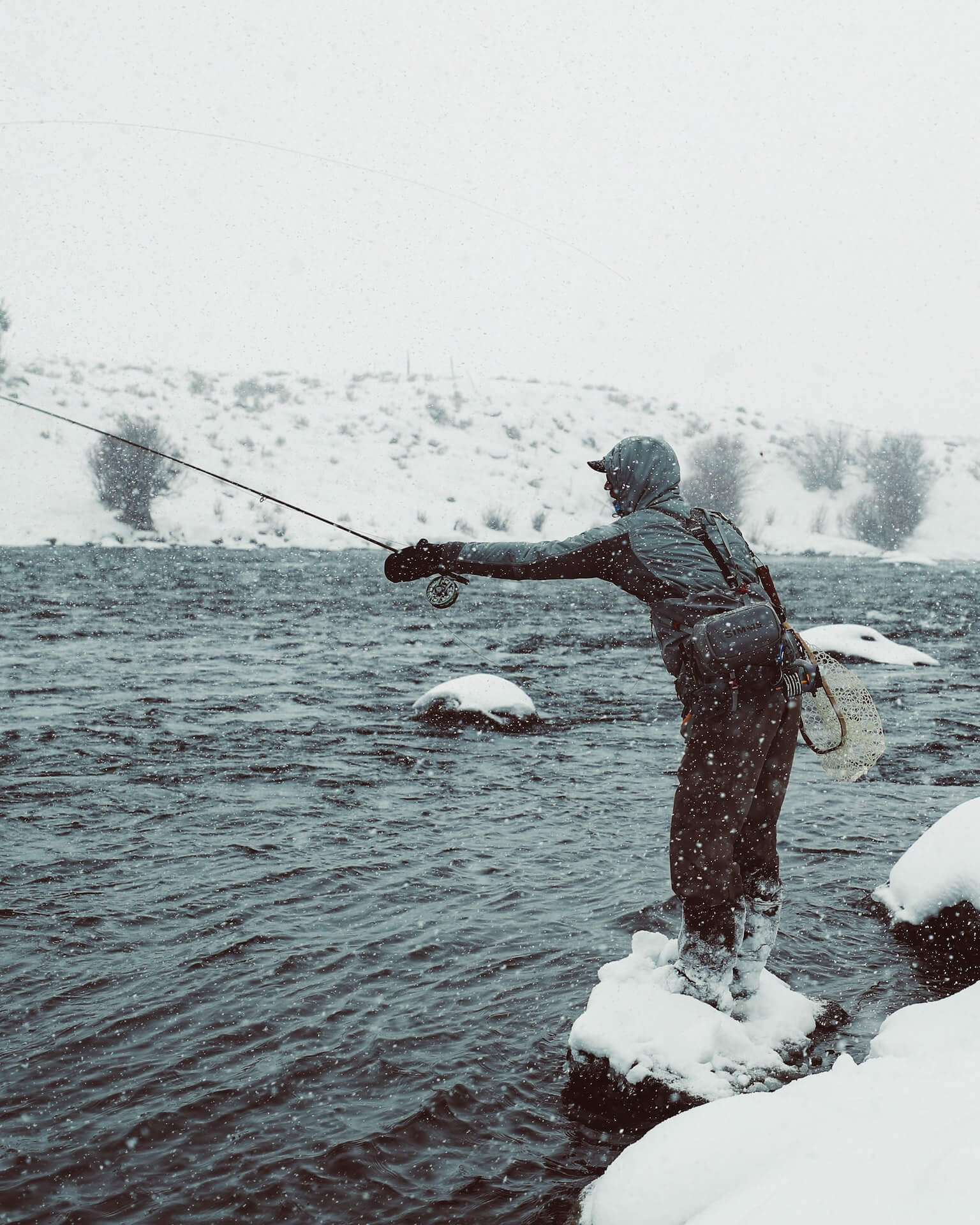
You stand in the river, not in the air, and water pulls heat out of your legs much faster than air at the same temperature. A sunny day means little when you wade a snowmelt river running at 45°F.
In water above about 60°F one light wicking layer under breathable waders is enough, and more only makes you sweat. Between 45 and 60°F, most of spring and fall, add a midweight layer or a fleece over the base layer. Below 45°F build up with a thermal layer and fleece pants on top. The order never changes: the wicking layer goes against your skin and the warm layers over it.
Your feet are where it most often goes wrong. The neoprene socks of your waders don’t wick, so wear wading socks in merino or a synthetic blend, a thicker pair in cold water, and leave room in your wading boots for them, since a boot that squeezes your feet makes them cold too.
Materials To Consider
Apart from comfortability, what you wear under waders should appropriately fit you and the material should be elastic enough for you to freely move. Moreover, the clothing item should also feature wicking materials so that any moisture accumulation can be quickly evaporated. In light of this, some of the best materials to stick to include nylon, wool, and polyester.
Materials You Should Never Wear Beneath Your Waders
One of the worst materials to wear under waders is cotton. Why? Well, cotton does not have very good moisture wicking capabilities. This means your clothes are going to retain your sweat and moisture and you will feel wet and cold. This can be extremely irritating and abrasive, especially considering the fact you’re going to be standing in the water. Let’s assume that you’re fishing, and your waders have a tiny hole in them, if you’re wearing cotton pants, your skin will soon start to itch and chaff.
Best Wader Options Depending on the Weather
Stockingfoot Waders
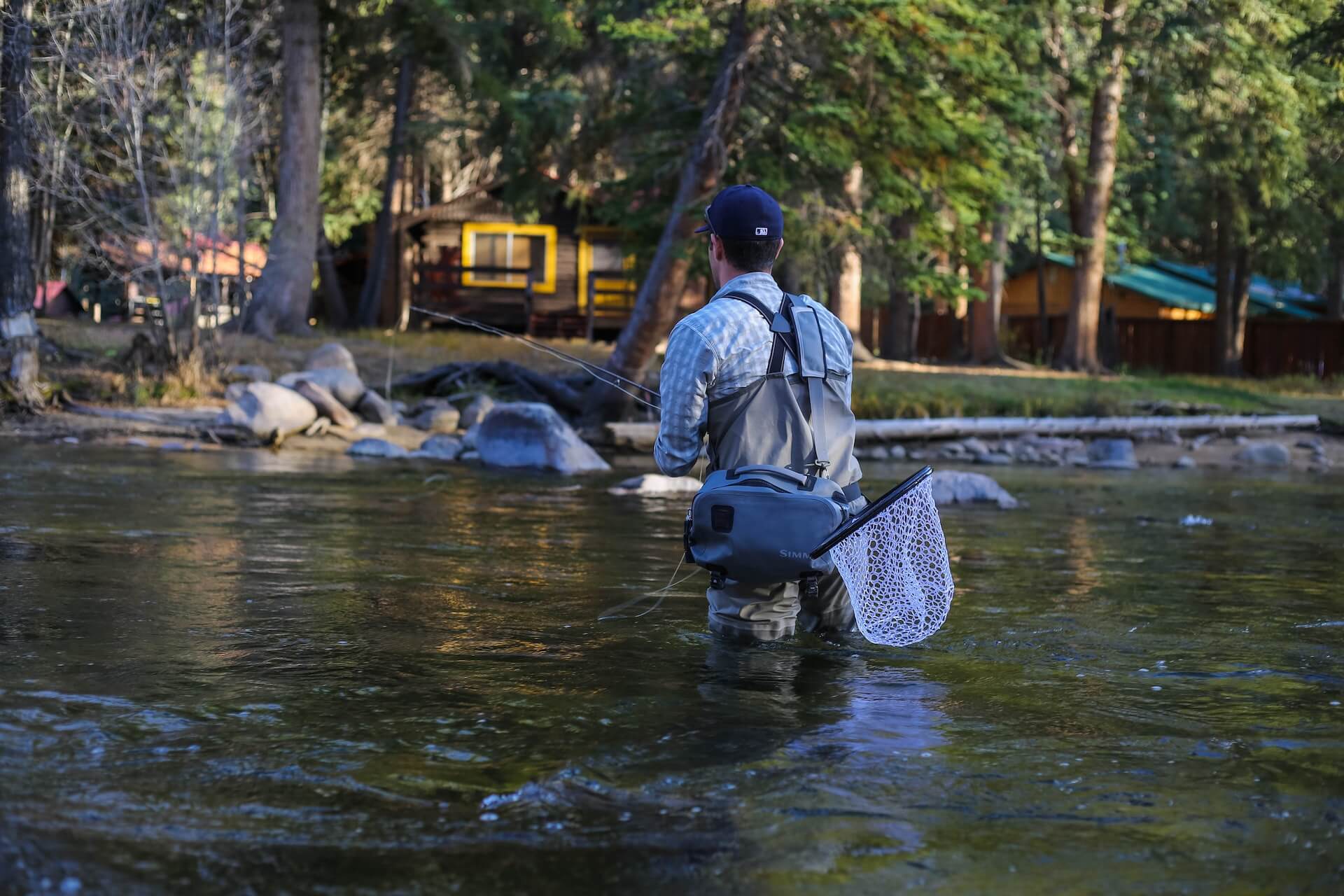
Stockingfoot waders can be an excellent choice if you’re planning to go on long fishing trips during hotter months. The best reason why anglers choose this option is that Stockingfoot waders are designed to be considerably lighter with bare minimum bulk compared to traditional options such as bootfoot waders. With layering underneath you can greatly influence how warm or cold you’ll feel. Hence, if you want to fish your stocking foot waders all year round, just wear a couple of extra layers or thicker layers during winter time.
Neoprene Waders
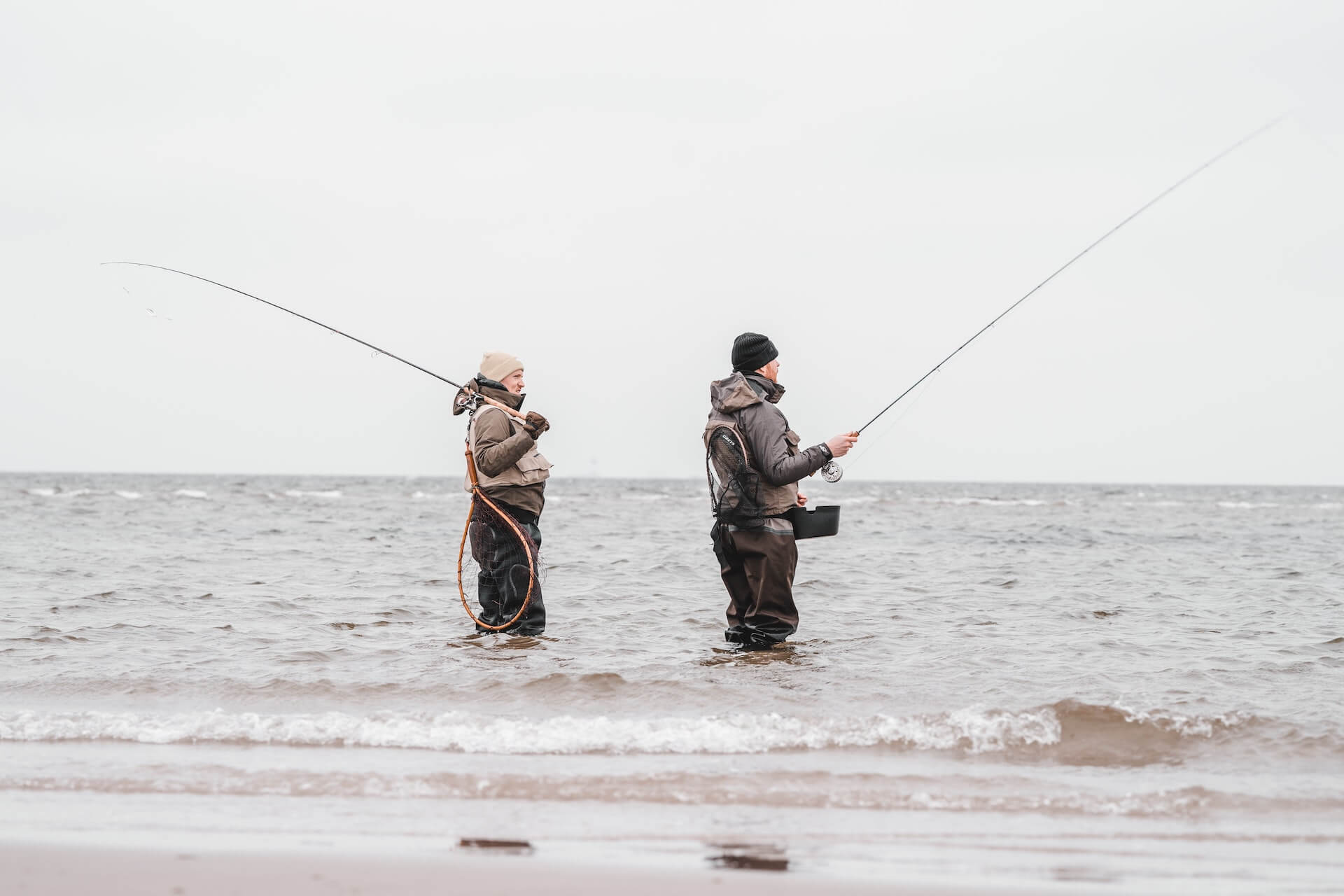
Neoprene waders are ideal for fishing in colder months. They’re designed with heat-retention materials and are considerably less breathable compared to stockingfoot waders as they’re made for withstanding harsh winter winds. So, if you’re planning to go fishing during winter, it is important to wear something that has wicking properties.
Notice: We take part in the Amazon Associates Program and earn a small commission at no extra cost for you if you end up making a purchase. We only recommend products we are convinced of and use ourselves.
Best Products to Wear Under Waders in the Summer
For The Upper Body
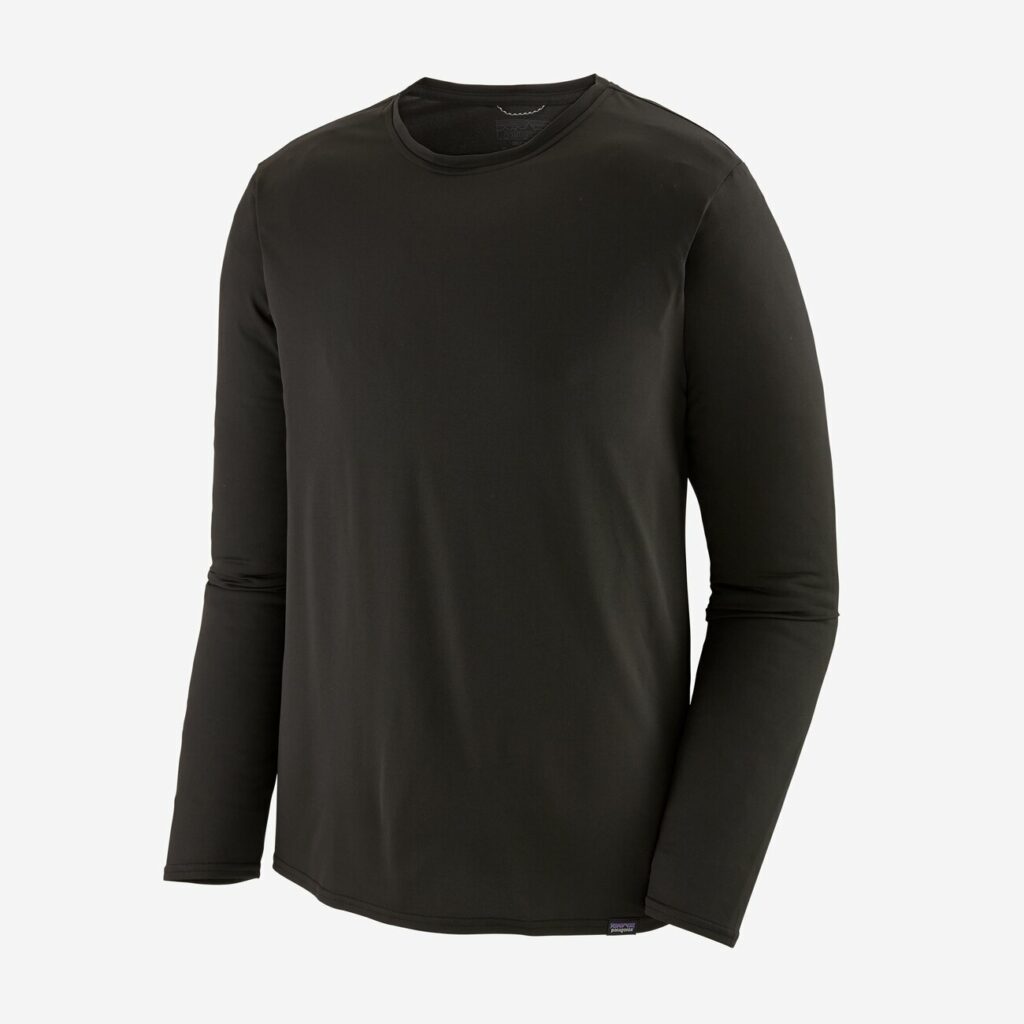
Patagonia Long-Sleeved Capilene Cool Daily Shirt
Key features:
– Long sleeve
– Moisture wicking
– Multiple colors
When it comes to style, design, and comfortability, it doesn’t get any better than the Capilene Cool daily shirt by Patagonia. A flexible and versatile product, the Capilene shirt is designed to be quick-drying and has optimal elasticity to help anglers feel more relaxed in terms of mobility. In addition, the shirt also features the company’s patented HeiQ technology, which means it quickly eliminates any odor build-up. This shirt has become one of my all around favourites for summer fly fishing. It is also great for mountain biking or hiking for example.
Moreover, the Patagonia Long-Sleeved Capilene Cool Daily Shirt is also manufactured with 100% recycled polyester, which Patagonia is reputed for. The Capilene Cool daily shirt is guaranteed to keep you nice and dry during your fishing adventures in both hot and cool climates. Plus, it dries really quickly which makes it a great choice for traveling as well.
PROS
-
Enhanced thermoregulation
-
Effective wicking fabric
-
Recycled materials
-
Great elasticity
-
Quick drying
CONS
-
Doesn’t have any pockets
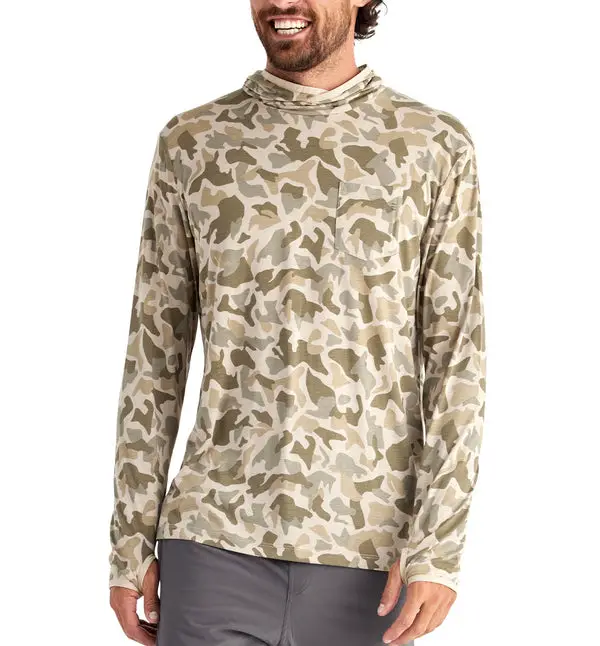
Freefly Men’s Bamboo Lightweight Hoodie
Key features:
– Long sleeve with thumbholes
– Made of bamboo
– Integrated hood
When you talk about ultimate comfortability and mobility, it doesn’t get any better than the Freefly Men’s Bamboo Lightweight Hoodie. Designed with superior yet soft materials, the hoodie also features a 50+ sun protection rating, making it a great product for summertime fishing.
We like the details on the Freefly Men’s Bamboo Lightweight Hoodie, such as the designed thumbhole sleeves and the raised neckline, which helps protect your neck from the harsh rays of the sun from all angles.
Pros:
– Cutting-edge materials
– Extremely lightweight hoodie, great for summer fishing
– Flexible hoodie with comfortable and elastic thumb holes
– UPF 50+ sun protection
– Elevated neckline for 360-degree sun protection
Cons:
– Fit is a little tight, so consider sizing up
For the Lower Body
Simms M’s Lightweight Baselayer Bottom
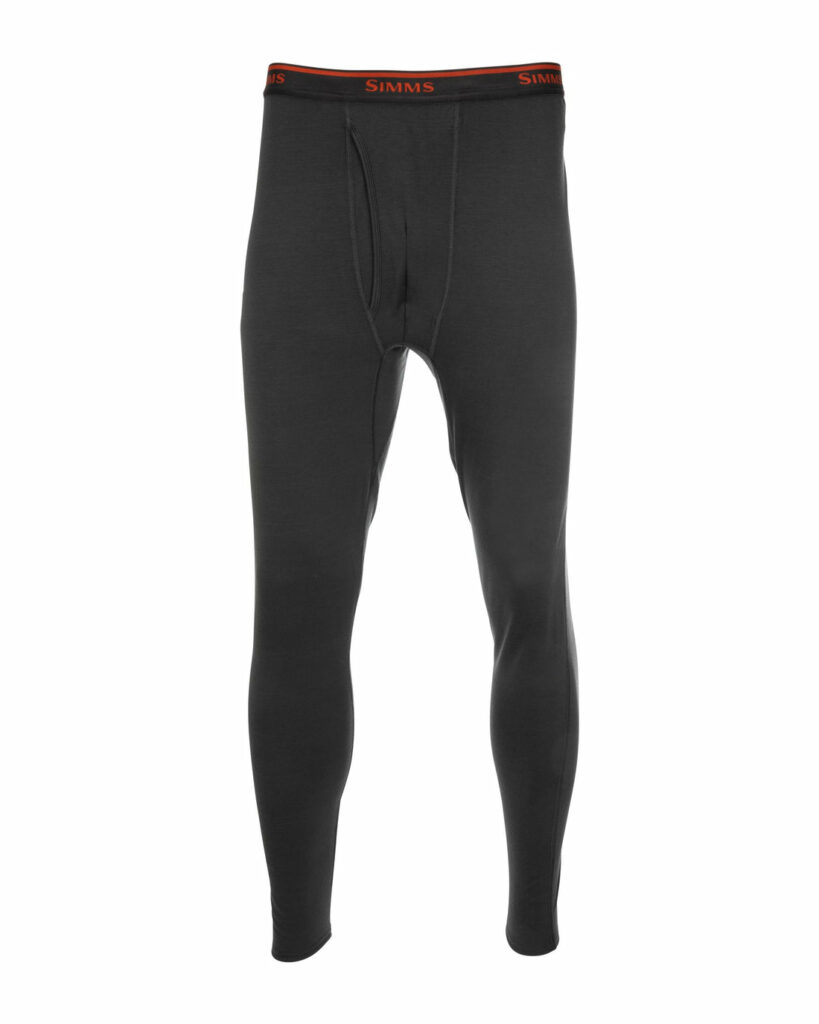
Key features:
– Reach all the way to the ankles
– Odor eliminating
– Flatlock seams
If you’re looking for what to wear under waders, the Simms M’s Lightweight Baselayer Bottom is the perfect item for summertime fly fishing. It is designed with a blend of soft and quick-drying materials, making the Baselayer an excellent choice for enhanced mobility, wicking, and comfortability.
In addition, the Simms M’s Lightweight Baselayer Bottom are also manufactured for eliminating odour and feature a small fly pouch right at the waist. Moreover, the pants also feature a flatlock seam built to provide a chaff and irritation-free experience. We found the Simms very comfortable to wear even on hot summer days.
Pros:
– Comfortable and chaff-free fly pouch
– Great wicking capability
– Eliminates bad odours
Grundens Grundies Lightweight Bottom
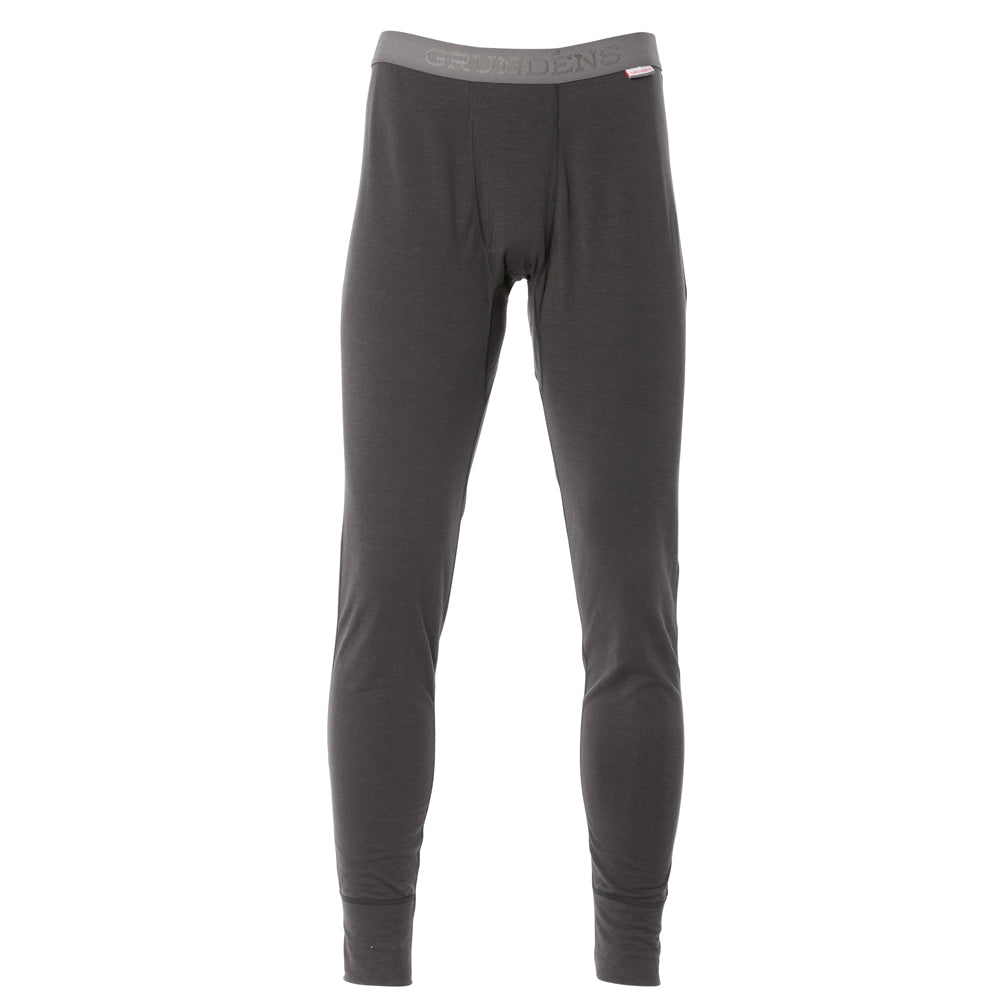
Key features:
– Tight fit around the waist and ankles
– Very elastic
– Ideal for warm weather
The Grundens Grundies Lightweight Bottom are another pair of pants that are designed with state-of-the-art material technology, providing anglers with maximum comfort and flexibility. The Grundies wader pants feature a powerful blend of spandex fibres, polyester, and hollow core.
This makes the pants durable and versatile, making them an excellent choice to wear on warm summer days. We found the Grundens Grundies Lightweight Bottom to be an excellent choice even for the hottest summer days. They make you stay cool and moisture free inside your stocking foot waders even after long days of fishing.
Pros:
– Excellent moisture wicking capabilities
– Lightweight
– Quick-drying
Cons:
– Odor eliminating capabilities not on par with the Simms
Patagonia Men’s Capilene® Midweight Bottoms
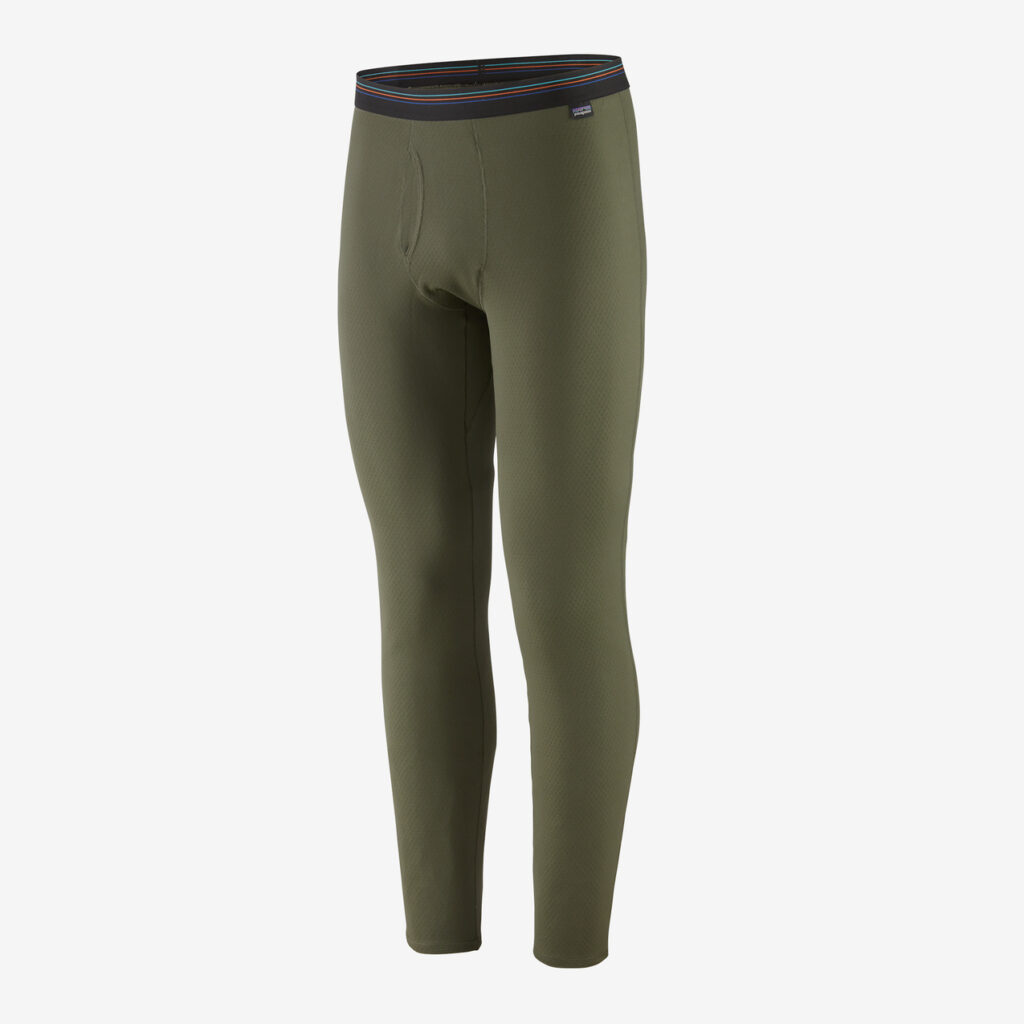
Key features:
– Moisture wicking
– Rather loose fit
– Available in multiple colors
The Patagonia Men’s Capilene® Midweight Bottoms are a great option for the summer when you’re fishing in the Northern hemisphere where the water of the rivers and streams still remains relatively cold. Made from 100% recycled polyester, we found the Patagonia to keep us warm all day during long days of summer fishing.
Should the fishing get exhausting and you begin to sweat, don’t worry, the Patagonia Men’s Capilene® Midweight Bottoms have great moisture wicking capacities and dry quickly should they get wet. Just like the Simms, they are made from a fabric that prevents odor – a handy feature, particularly when you’re out fishing for a few days in a row.
Pros:
– Trap warm air to keep you cosy
– Quick drying
– Odor eliminating
Cons:
– Fit is not quite as tight as the Grundéns’
What to Wear under Fishing Waders in the Winter
Upper Body
Patagonia Men’s Capilene Thermal Weight Zip-Neck
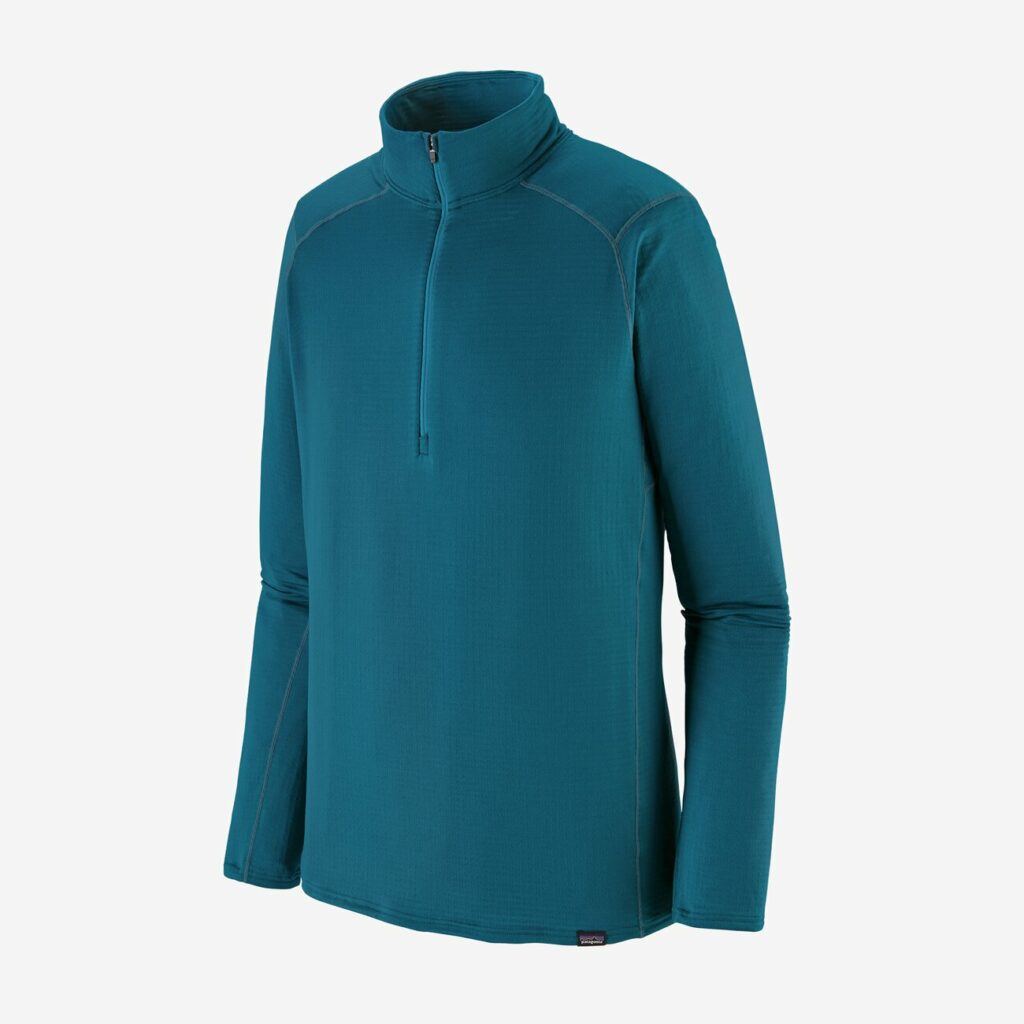
Key features:
– Made from recycled polyester
– Half zipper
– Available in multiple colors
If you want to know what to wear under waders when it gets colder, then you should check out the Patagonia Men’s Capilene Thermal Weight Zip-Neck. Designed with recycled polyester and other materials, the thermal shirt features excellent temperature control elements, keeping you nice and warm during winter fishing excursions.
Moreover, the Patagonia Men’s Capilene Thermal Weight Zip-Neck is also made to be quick-drying and has good wicking capabilities. In addition, the product boasts an athletic fit and is air-permeable. We found the Capilene Thermal to be a very versatile shirt for outdoor sports during the colder fall months or in winter time.
Pros:
– Quick-drying with good moisture-resistance
– Can be worn for adventures and activities other than fishing
– Provides a good amount of warmth under waders
Cons:
– Fit is rather athletic, so consider sizing up if you are looking for a more loose fit
Simms M’s Lightweight Baselayer Top
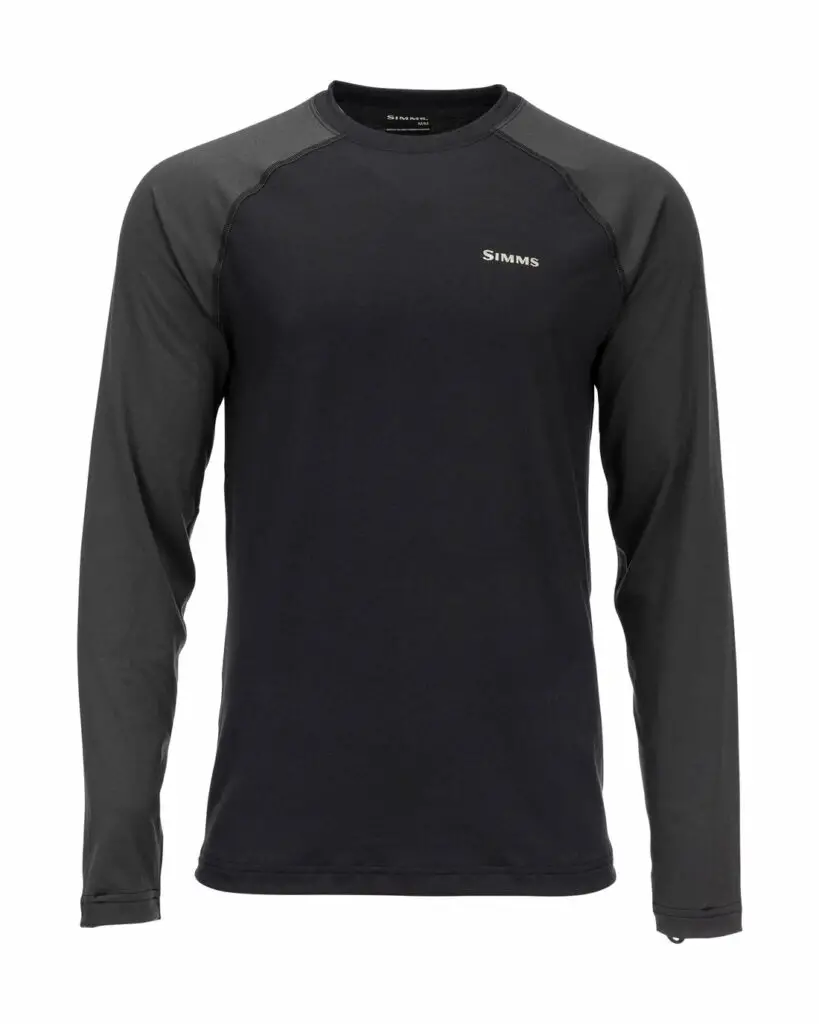
Key features:
– Odor resistant
– Thumb loops for better fit
– Available in camo color as well
The Simms M’s Lightweight Baselayer Top is another excellent product when it comes to knowing what to wear under waders, especially during wintertime fishing. The shirt features excellent thermo-regulation fabrics, keeping your body warm. In addition, the baselayer top also comes with quick-drying and wicking properties to help eliminate any moisture build-up.
Moreover, the Simms M’s Lightweight Baselayer Top is also designed with odour-combating fabric for long fishing outings. We found this shirt to be very quick drying which is always a great feature, particularly if you want to take it along on your travels.
Pros:
– Odor-resistant
– Quick-drying
– Raglan sleeves for athletic and snug fit
Cons:
– Not made from recycled fabric
Ibex Men’s Indie Hoodie
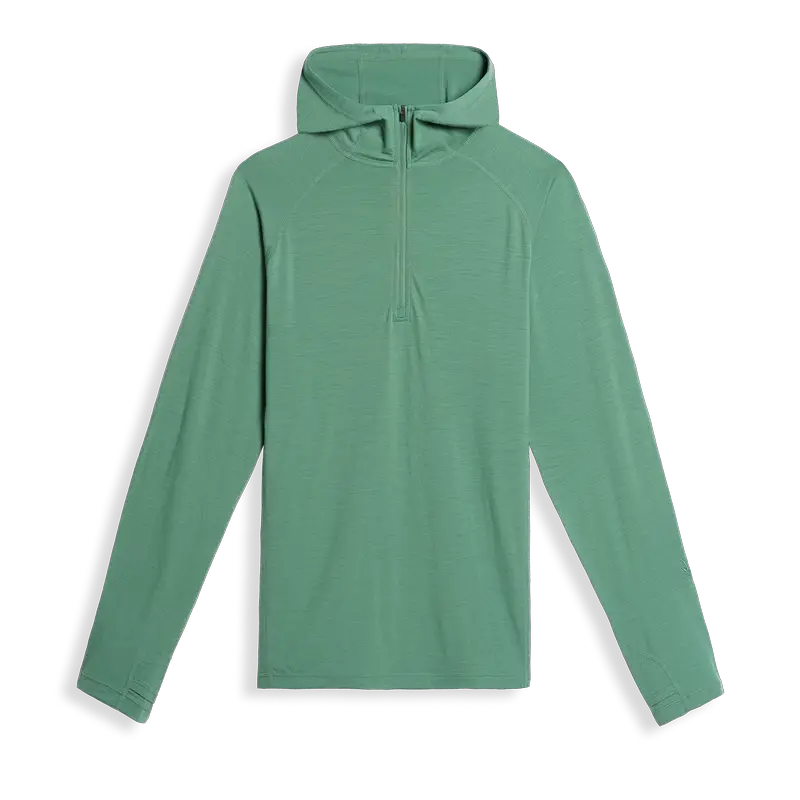
Key features:
– Odor resistant
– 100% natural fabric
– Good ventilation
The Ibex Men’s Indie Hoodie is designed with 100% merino wool, making it an excellent option for fishing in harsh winter conditions. The product is also integrated with the company’s patented MECool fabric technology, which makes the hoodie cool to the touch. However, it works well to retain your body heat for ultimate comfort and mobility.
In our eyes merino is an excellent, 100% natural fabric for winter fishing. It has great moisture wicking capabilities and it keeps you warm while being extremely lightweight. Ibex has done a nice job with the Indie Hoodie by giving it the half zipper and a hood. This way you can make sure to stay warm all the way up around your neck which is particularly important during the cold months since a lot of body heat is lost around the head. The Ibex Men’s Indie Hoodie can also be worn for skiing or hiking in the wintertime.
Pros:
– Quarter zip design Quarter zip allows you to vent during strenuous activity
– Flatlock seams make the product anti-chafing
– Good, natural odor control capabilities
– Excellent thermoregulation
Cons:
– Quality comes at a price
Lower Body
Patagonia Capilene Thermal
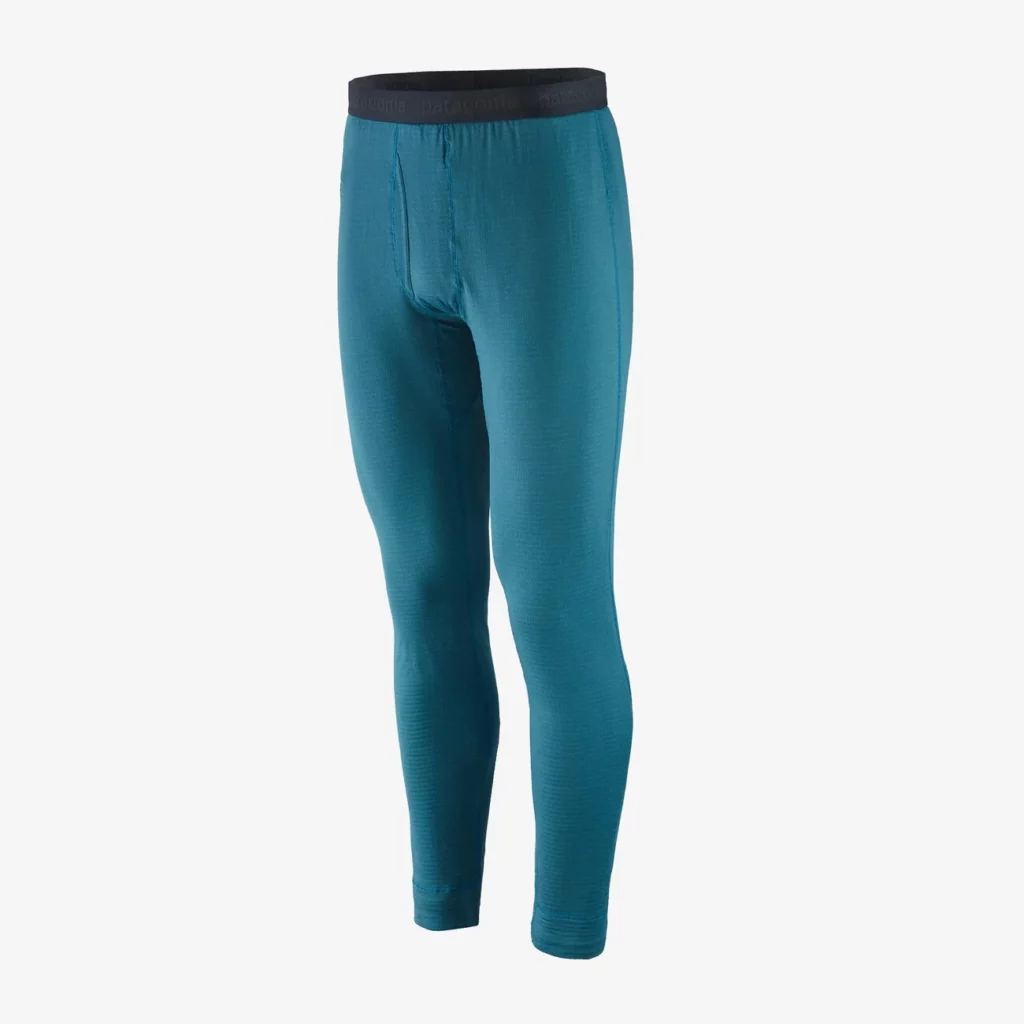
Key features:
– Highly functional features
– Available in blue or black
– Particularly good fit around the waist
The Patagonia Capilene Thermal are designed to help anglers keep their lower body warm and snug during winter fishing expeditions. The pants are made with the company’s patented and innovative fabric technologies such as Polartec Power Grid fabric and HeiQ Pure.
The Patagonia Capilene Thermal are odor-resistant and are manufactured with sustainable materials for enhanced durability and performance. The gusseted crotch and functional fly at to the comfort of the Patagonia Capilene Thermal. They have become one of our go to bottoms for winter fishing. We also found them an excellent fit to wear under ski pants since they are very elastic.
Pros:
– HeiQ odour control technology
– Polartec Power Grid fabric makes the pants ultra-breathable and warm
– Very comfortable
Cons:
– Fabric is a little sensitive, so be careful around pointed objects
Simms M’s Fjord Pants
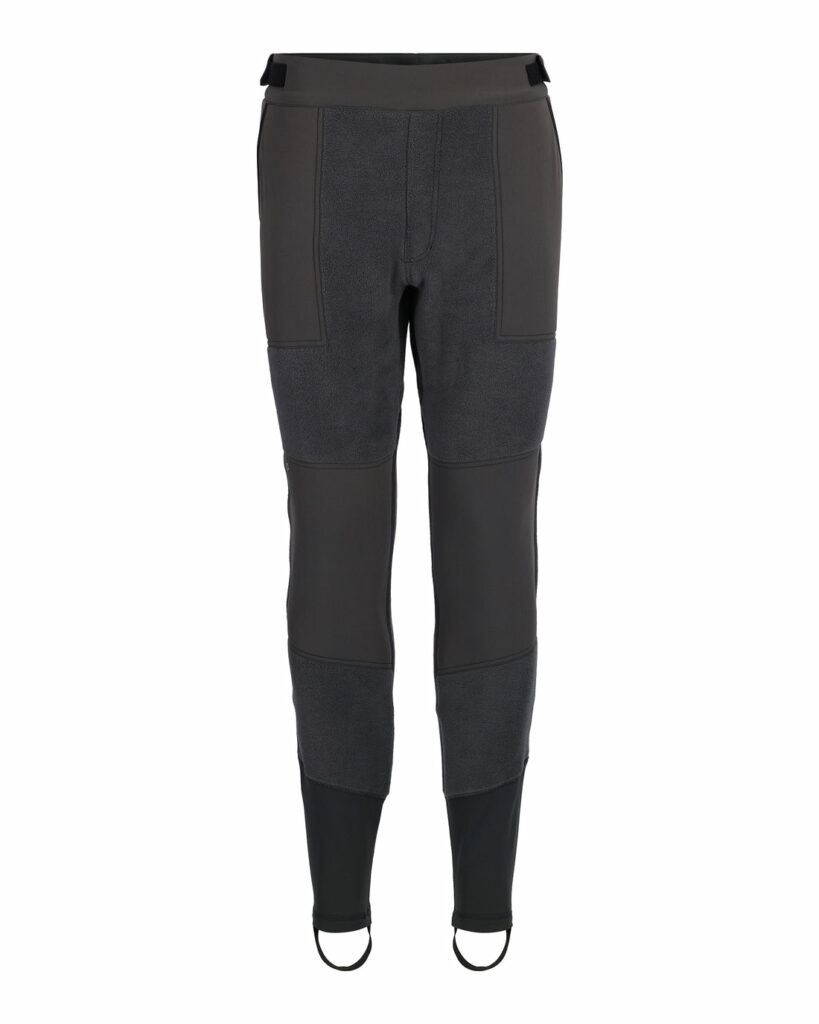
Key features:
– Stretch waistband
– Water repellant
– Pockets
If you’re looking for something to beat the piercing cold winds during your fishing excursions, you should check out the Simms M’s Fjord Pants. We’ve found these to be one of the best layers to wear beneath fishing waders.
The Simms M’s Fjord Pants are designed with both Power Stretch and Polartec technologies. The product is water-repellent and features an integrated belt and pockets. These pants feel like pants and not like bottom. You’ll even be comfortable hanging around in them in your fishing hut after the day is done. A great pair of under wader pants for the coldest conditions.
Pros:
– Compression-resistant
– Double-layer fleece
– Elastic waistband for added comfort
– Waist strap is adjustable
Cons:
– Takes a little getting used to in order to feel comfortable under waders
Bottom Line on What to Wear under Waders
So there you have it. A comprehensive list of some of the best products to wear under waders. However, it is equally important to keep in mind that the product you select should always be in line with your preferences and requirements. Moreover, the combination of upper and lower clothing items you choose will also depend on the type of weather you will be fishing in.
FAQs
Do you wear clothes under chest waders?
Modern day quality stockingfoot waders are breathable. To take advantage of their breathability you should wear moisture-wicking clothing that can effectively remove moisture from your skin. Recommended materials are polyester and merino wool.
Can you wear jeans in waders?
Technically you can but we don’t recommend wearing jeans under waders since they are made of cotton. You should look for moisture wicking materials such as merino wool or polyester. Cotton is not moisture wicking and you’ll be wet (and cold) under in your waders.
What should I wear under waders on a hot day?
The most important feature on a hot day is for your clothes to be moisture wicking. Pick a fabric that has these qualities such as polyester or a light merino fabric. Don’t go for cotton since cotton is very bad at moisture wicking and the sweat won’t be removed from your skin.

Leonard Schoenberger is a fly fishing professional and gear specialist with over 20 years of experience on the water. As the manager of Heidarvatn, a world-class sea trout lodge in Iceland, his product recommendations and tactical advice are tested in some of the most demanding conditions on earth. His expertise has been mentioned in The New York Times, the Financial Times, and at the Outdoor Media Summit.