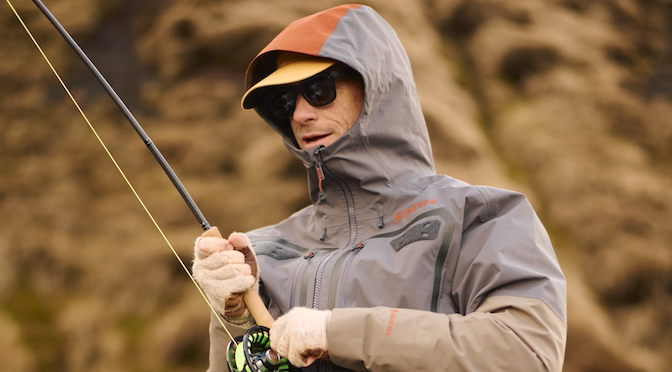
Last updated on July 11th, 2026.
After a season of testing, let’s chat about something that’s kept me dry and happy on countless fishing adventures – the Simms M’s G3 Guide Stockingfoot Waders.
I’ve logged more hours in rivers and streams than I’d care to admit, and these waders have been my trusty sidekick through it all. So, grab your fishing hat, and let’s dive into this wader wonderland.
Disclaimer: Some of the links in this article are affiliate links. If you click on one of them and end up purchasing a product we earn a small commission at no extra cost for you. We only recommend products we believe in ourselves.
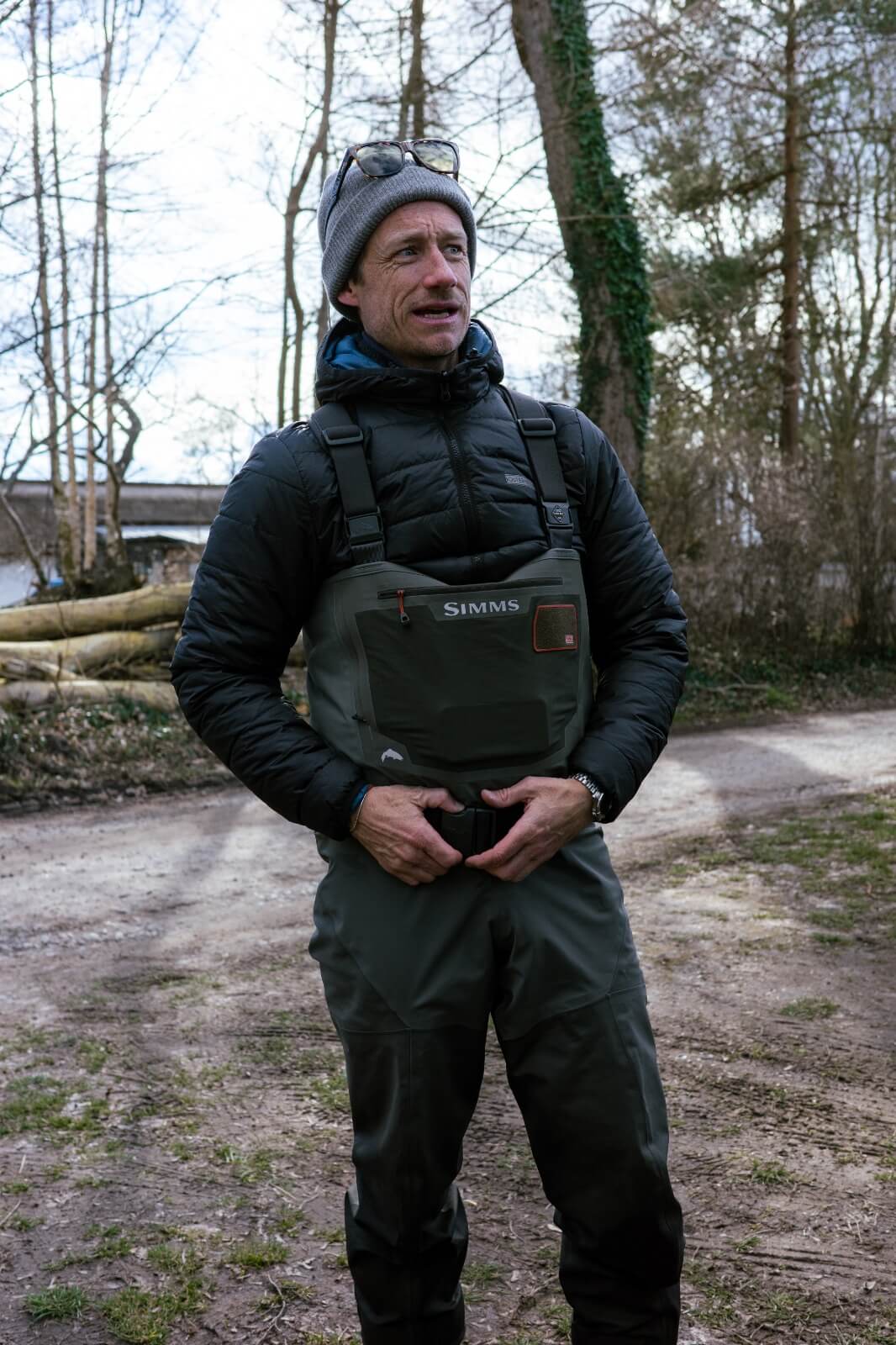
Craftsmanship That Wows
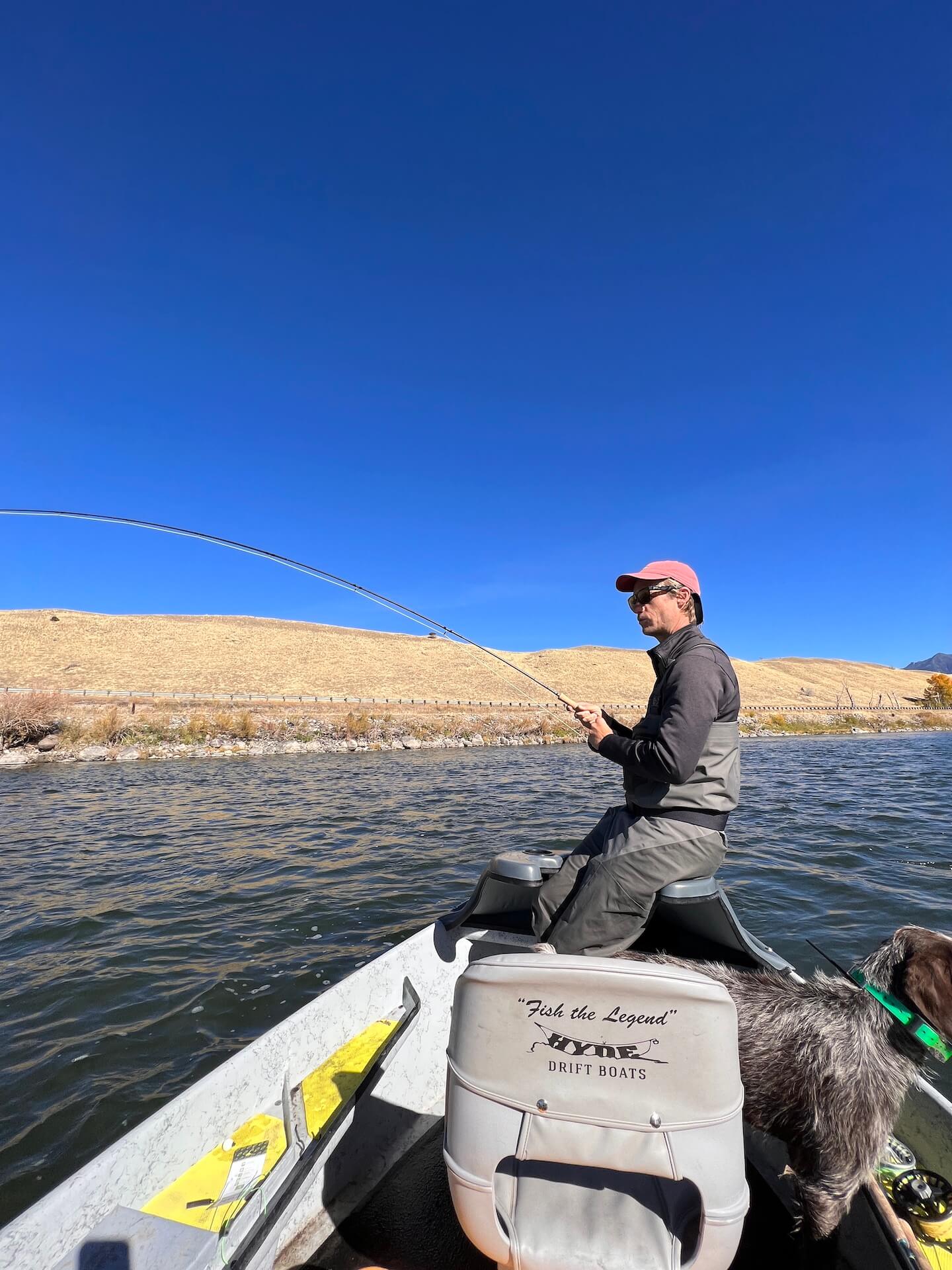
Right off the bat, you can tell that Simms put some serious love into crafting these waders. It’s like they had a bunch of fishing fanatics working overtime to make them perfect. Every stitch, every seam, it’s all top-notch quality. Last year I was fortunate enough to visit the Simms factory in Bozeman, Montana, and was impressed to see that every step of the wader making process on the G3 is done there on location. These waders just ooze durability and reliability – qualities you want when you’re venturing into demanding fishing spots.
A Fit that’s as Comfy as Your Favorite Chair
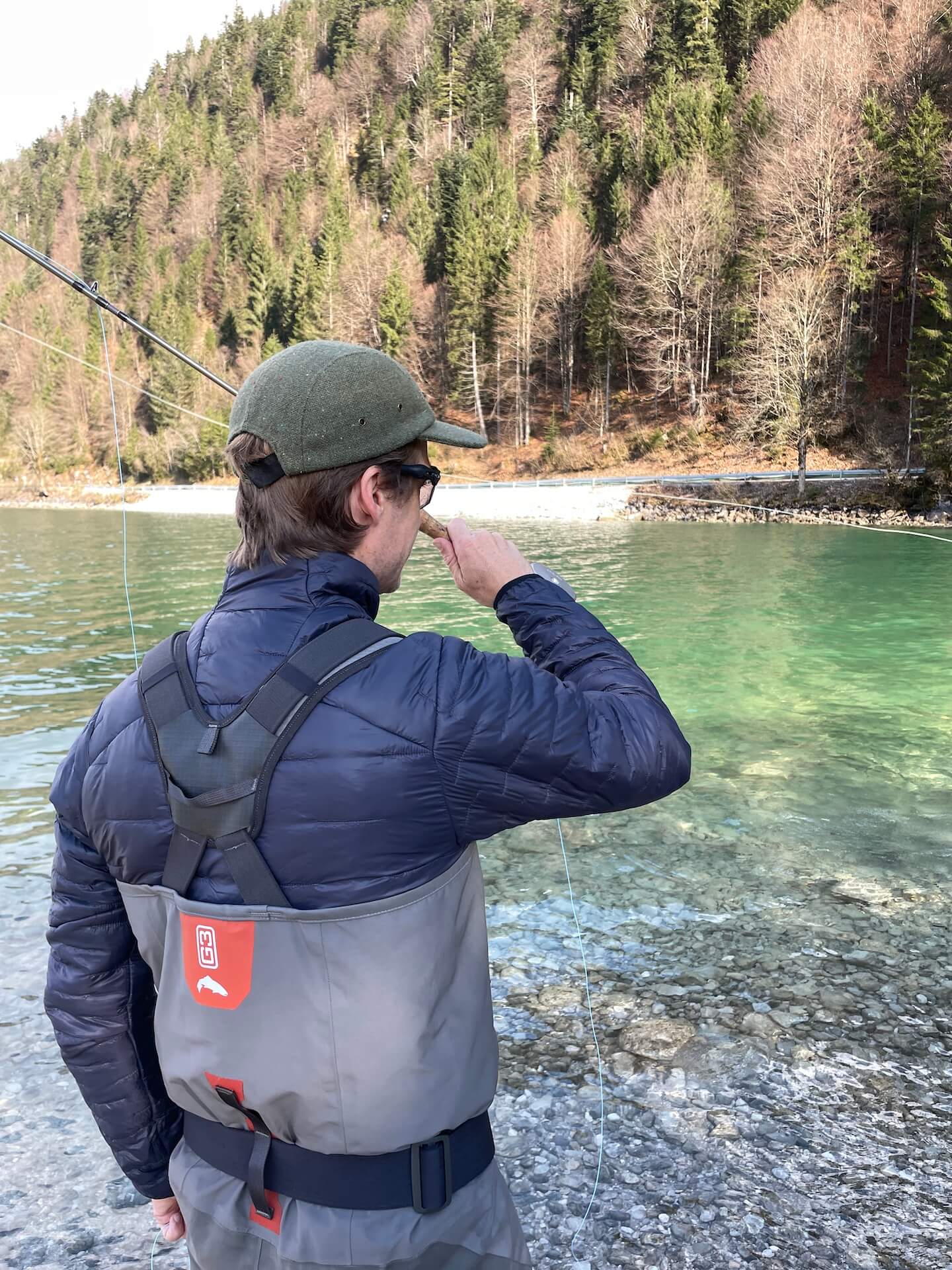
Let’s talk fit, my friends. Comfort is the name of the game when you’re out on the water all day. Simms offers a range of sizes, and I went with a small (I’m 5’10” and 150lbs). They fit like a glove – no weird bunching or constriction. Plus, those adjustable shoulder straps and the waist belt let you dial in the fit just how you like it. It’s like they were made for you. I like Simms’ slimmer cut, particularly around the legs, when it comes to wading in fast rivers. From my experience the fit is true to size. The sizing has stayed the same compared to the G3’s predecessor. The only thing that could increase comfort would be a zippered version as Simms offers it on a few of their other wader models such as the G4Z and now also the Freestone Z.
Materials that Laugh in the Face of Tough Conditions
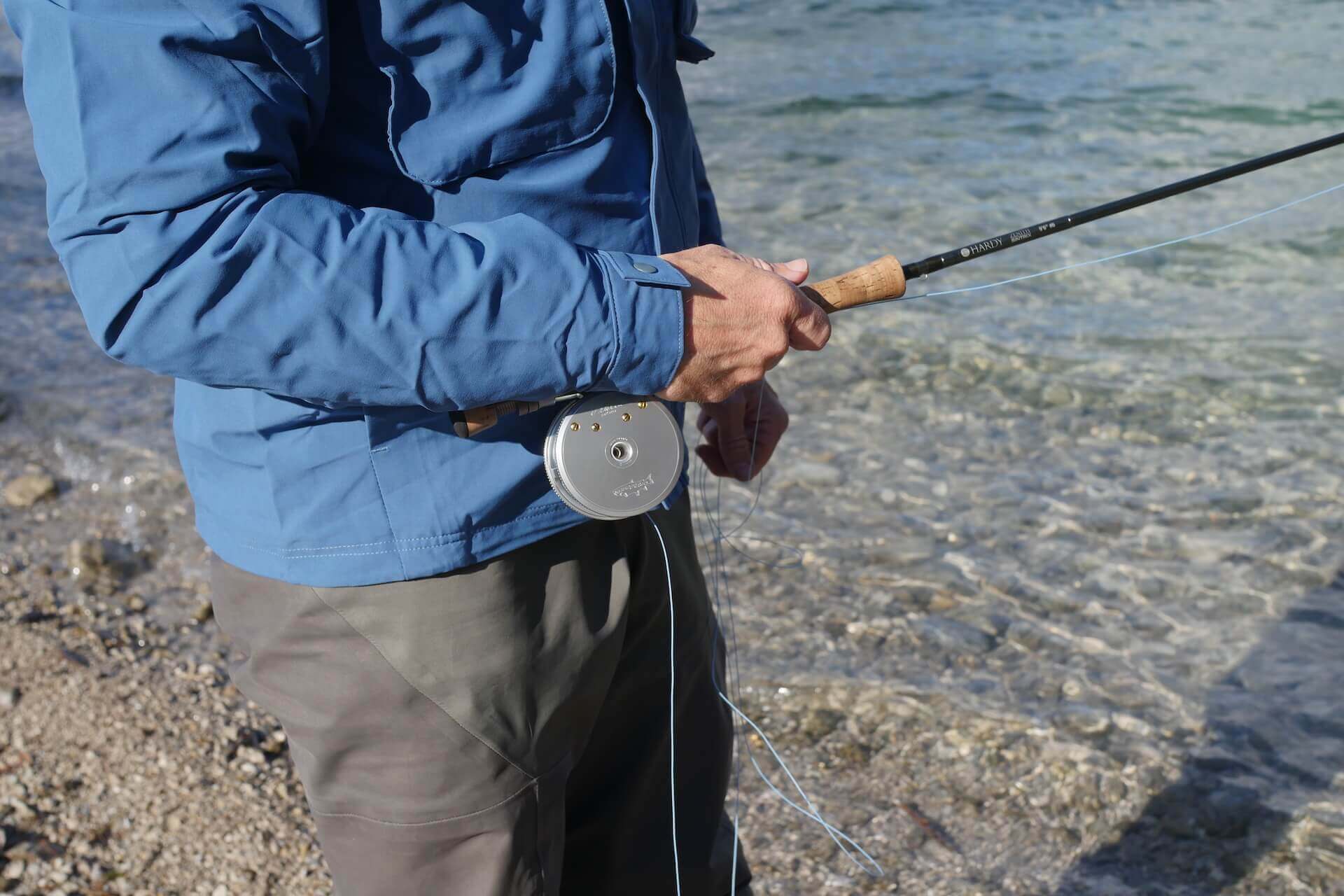
Now, onto the materials. These waders are built to handle the wild – they’re rocking a combo of 3-layer and 4-layer GORE-TEX Pro Shell fabric. best fly fishing combos That’s like having armor against rough riverbeds, thorny bushes, and sharp rocks. I’ve put these waders through the wringer, and they’ve come out unscathed every time. No rips, no tears, just pure toughness. The only other waders that’s as tough from my experience, is the the G4.
Waterproofing that’s the Real Deal
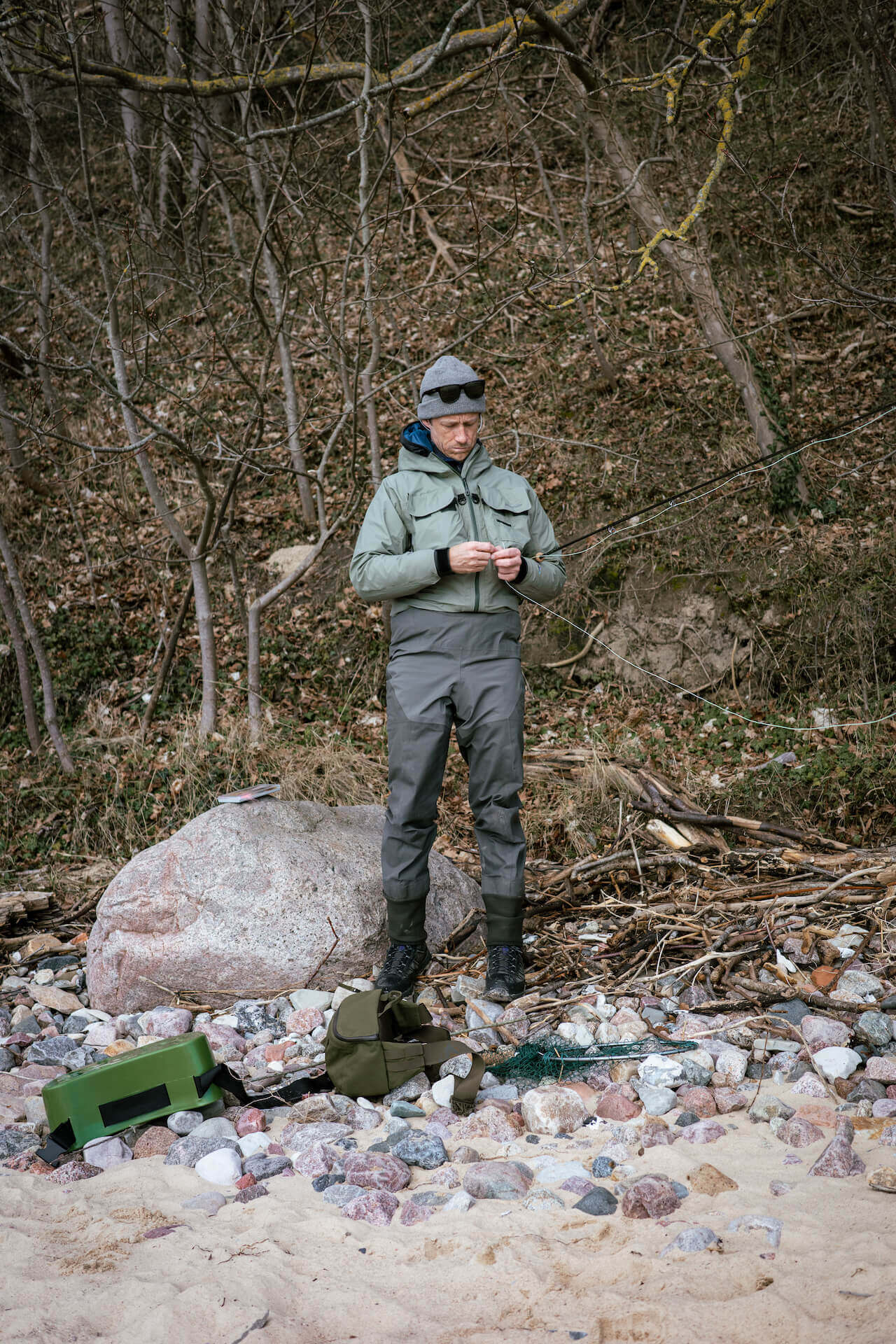
Let’s not forget the main job of waders – keeping you dry. The G3 Guide waders are like the bodyguards of dryness. After hours of wading through streams and rivers, I was as dry as a desert cactus (well, almost). And that waterproof zipper on the chest pocket? It’s like a fortress for your gear, keeping everything high and dry for hours (please be aware that the fabric of the chest pocket will still see some water come through after hours of use in the rain or when being submersed).
Comfort That’ll Make You Forget You’re Wearing Waders
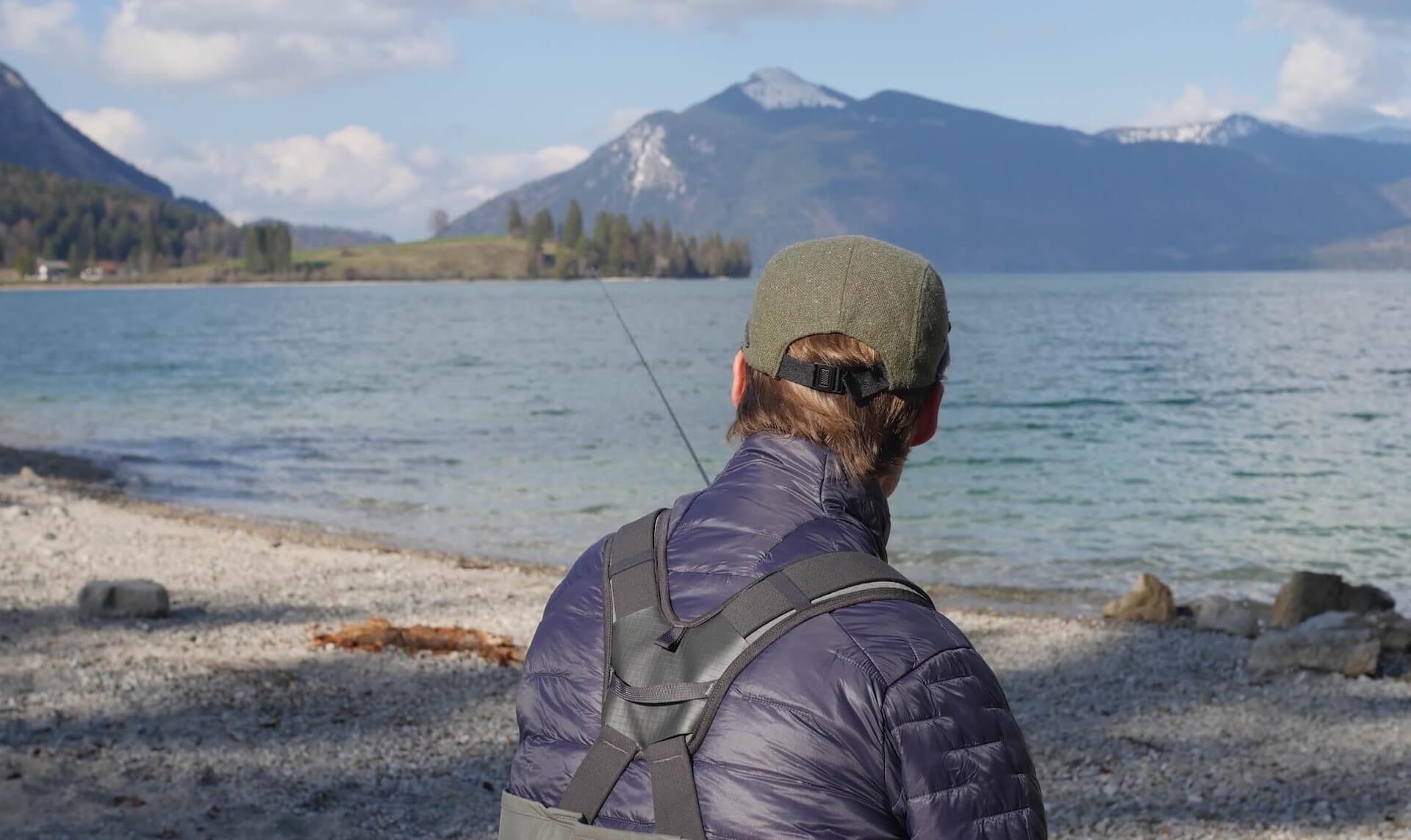
Comfort is a big deal, especially when you’re planning an all-day fishing marathon. These waders come with gravel guards and neoprene stocking feet that feel like you’re walking on clouds. But here’s the kicker – they’re breathable too. No sweaty, swampy feeling on hot days and cozy warmth on chilly ones.
Pockets Galore: Where to Put All Your Fishing Gizmos
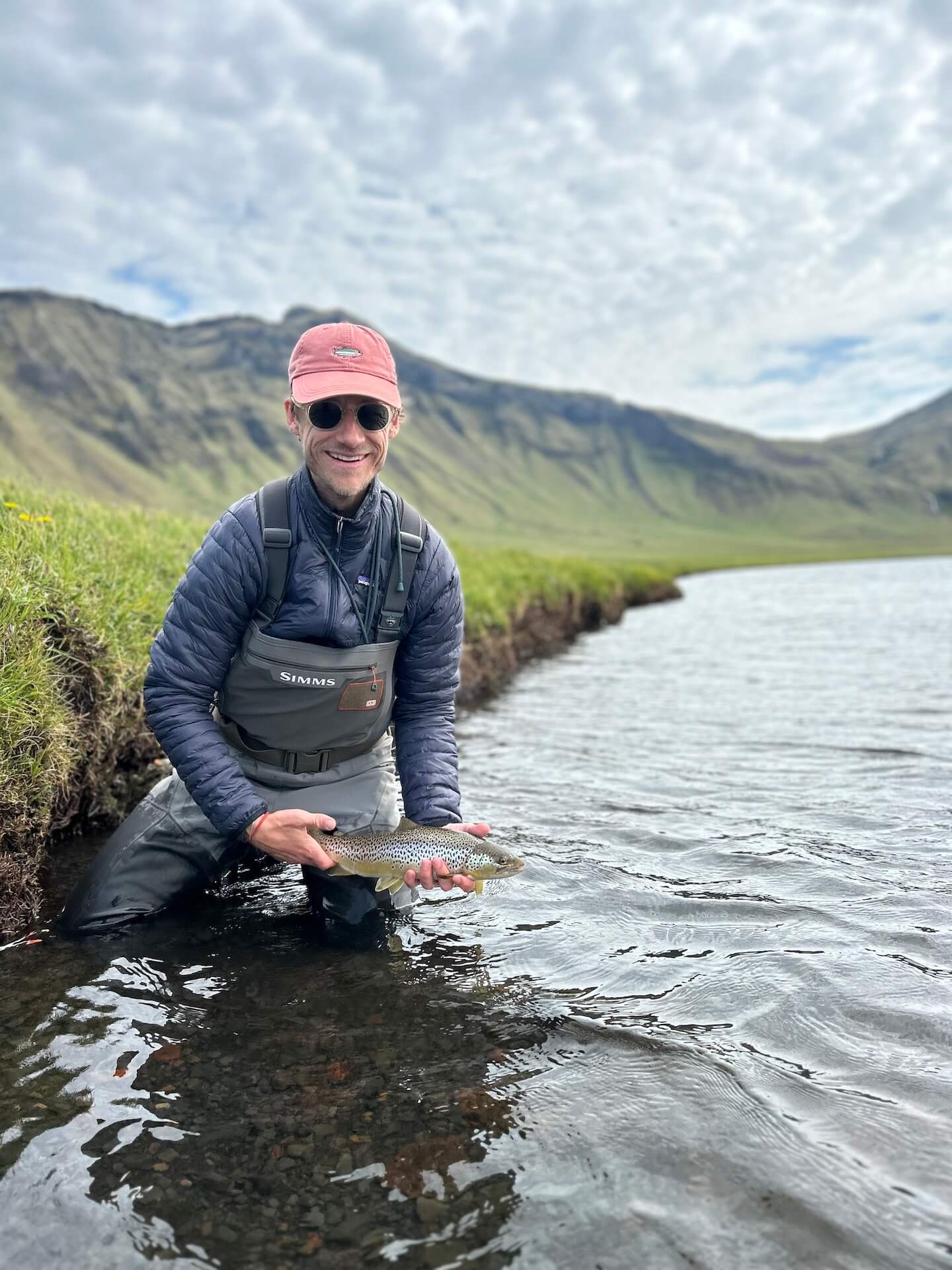
If you’re the organized type (or just tired of losing your gear in your waders), you’ll dig these pockets. They’ve got more pockets than a kangaroo has pouches – a hand-warmer pocket, a zippered chest pocket, and a flip-out Tippet Tender pocket with retractor docking stations. Your gear will be more organized than a librarian’s bookshelf. The only thing that you should beware of with the zippered front pocket is the fact that’s its fabric (because it’s so stretchy) is delicate at the same time so be careful with putting a pair of pointed pliers into it for example.
Built to Survive the Apocalypse (Or Just Your Fishing Adventures)
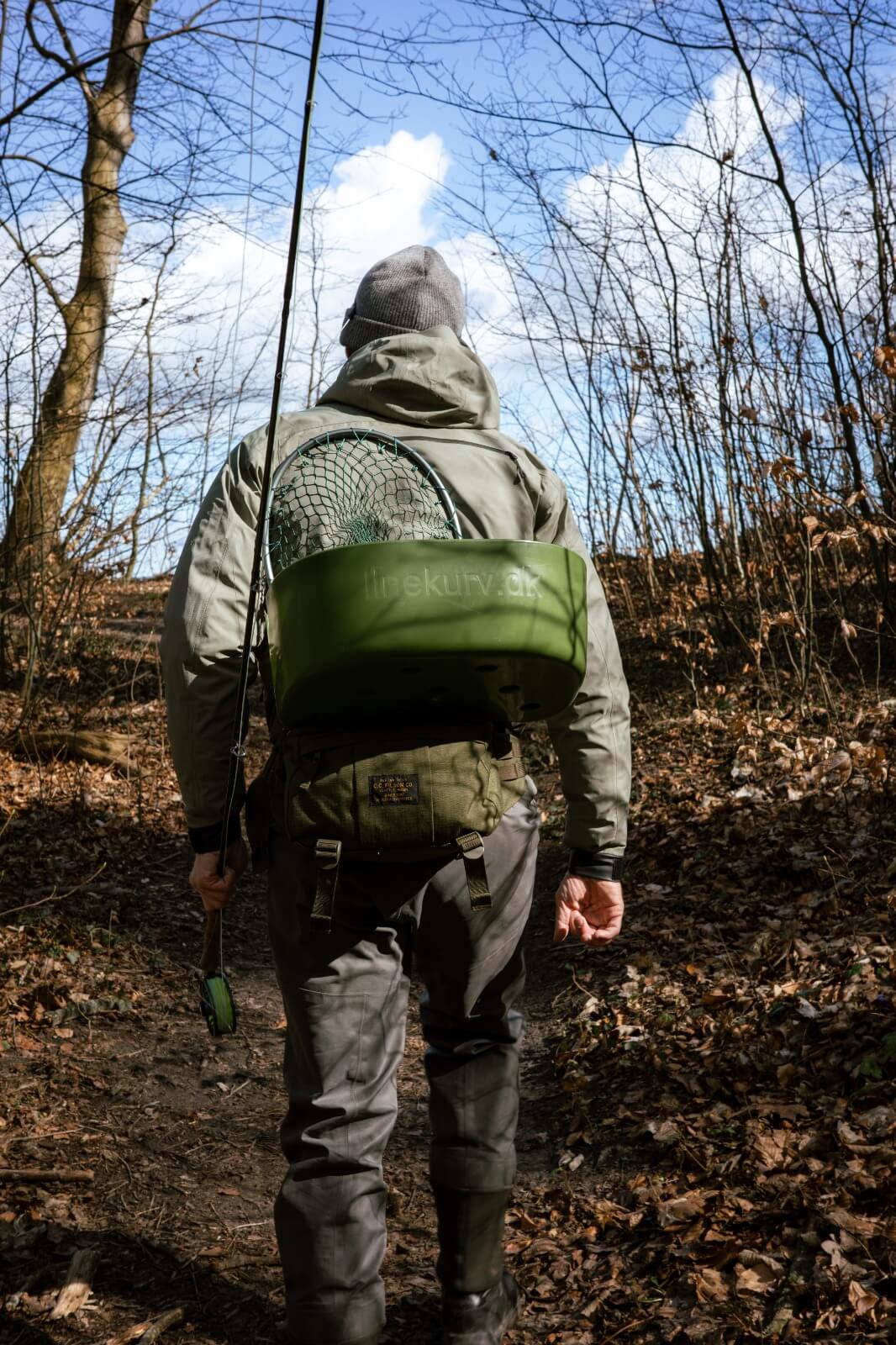
I’m all about gear that stands the test of time. I’ve put these waders through the wringer, from rocky riverbeds to battles with thorny undergrowth. And guess what? They’re still standing strong. No leaks, no tears, and they look as good as new.
Comparing with the Previous G3 Waders and Beyond
Alright, let’s get into the juicy stuff – how do these G3 Guide waders compare to their older siblings and some other top contenders like the Patagonia Swiftcurrent and the Orvis Pro Waders?
G3 Guide vs. Previous G3 Waders
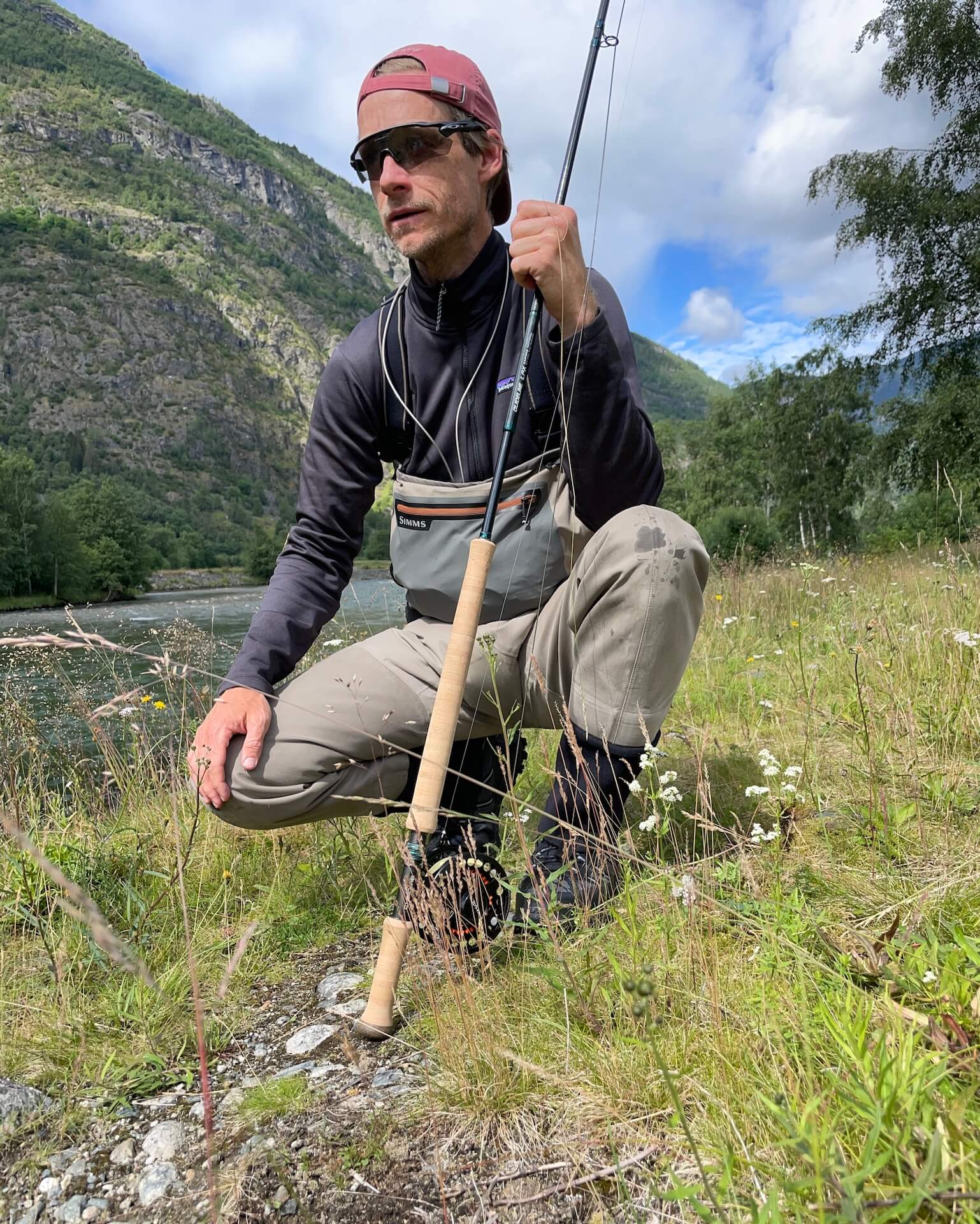
The G3 Guide waders are an upgrade from the older version. The standout improvements include the updated material – the combo of 3-layer and 4-layer GORE-TEX Pro Shell fabric, adding extra durability and breathability and a little more softness of the fabric which increases the wearing comfort. Plus, the chest pocket is waterproof now. However, from my experience, if you own the previous model of the G3 and it’s still doing its job, it’s not worth upgrading since these two G3s perform very similarly.
G3 Guide vs. Patagonia Swiftcurrent
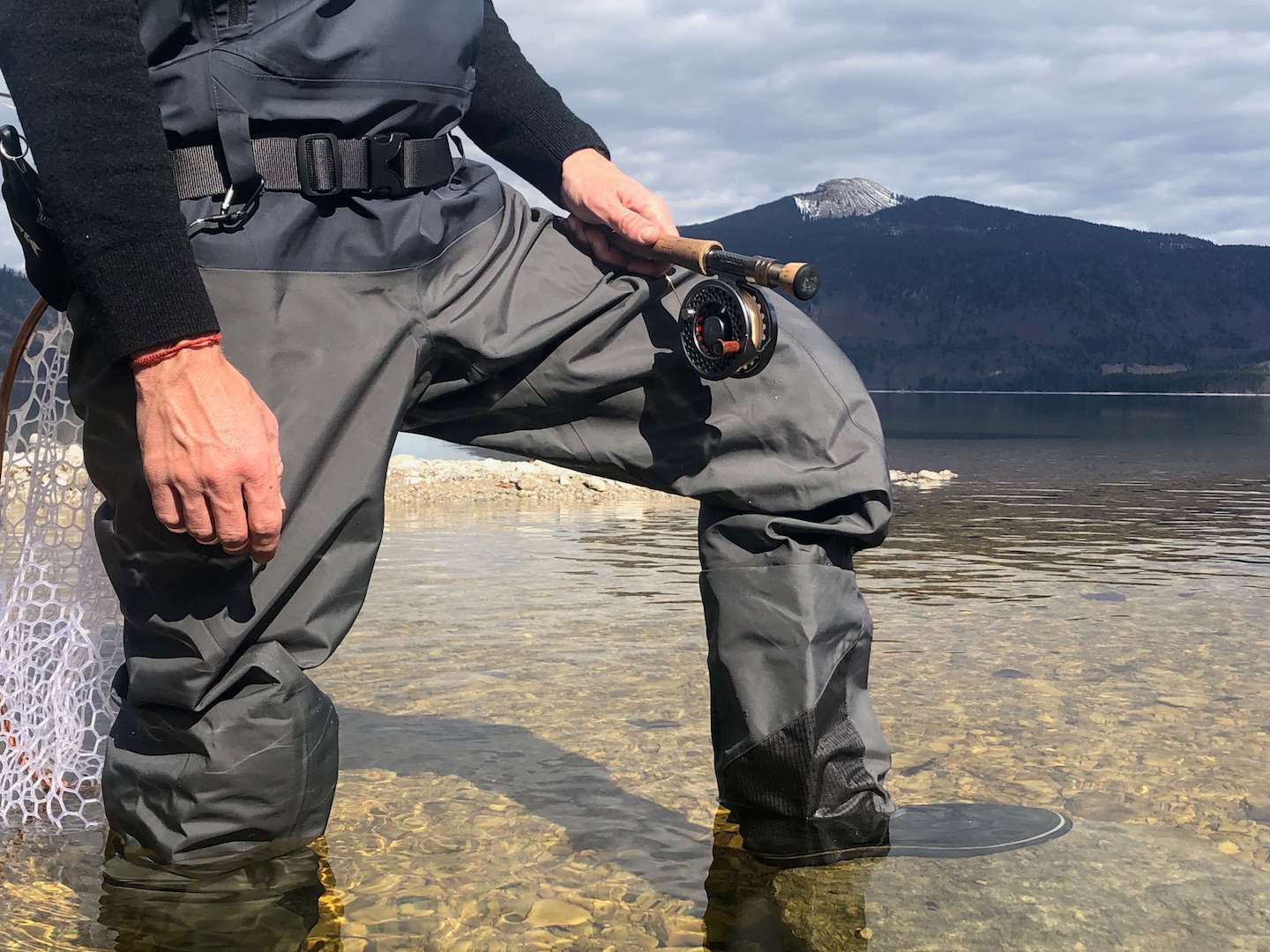
The Patagonia Swiftcurrent waders are solid competition, no doubt. Personally, I like the slightly slimmer fit of the G3 a fraction better, particularly if you’re often wading in fast flowing rivers. The tighter fit, particularly around the legs, offers the water less surface to attack. Also, in terms of durability and longevity, I’ve found the Simms Gore Tex fabric to be second to none.
G3 Guide vs. Orvis Pro Waders
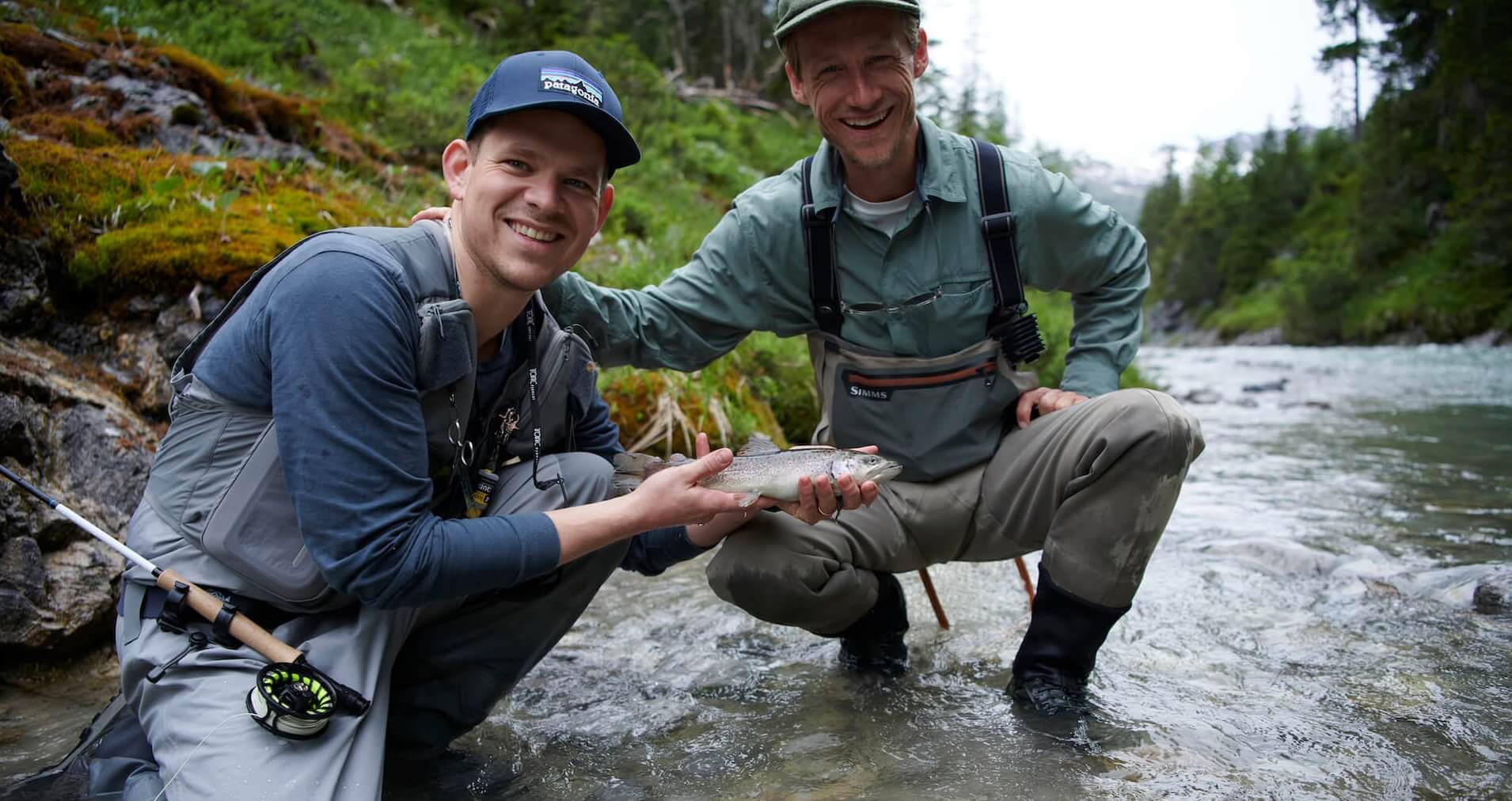
The Orvis Pro Waders are known for their ruggedness, and the G3 Guides hold their own in that department. Both are made with high-quality materials and ace waterproofing. But the G3 Guides have a slight edge when it comes to fit customization, thanks to those adjustable straps and the waist belt. Plus, the G3’s front pocket is bigger which I prefer since it’s the most important pocket of all on a pair of waders in my eyes.
Verdict on the Simms G3 Guide Waders
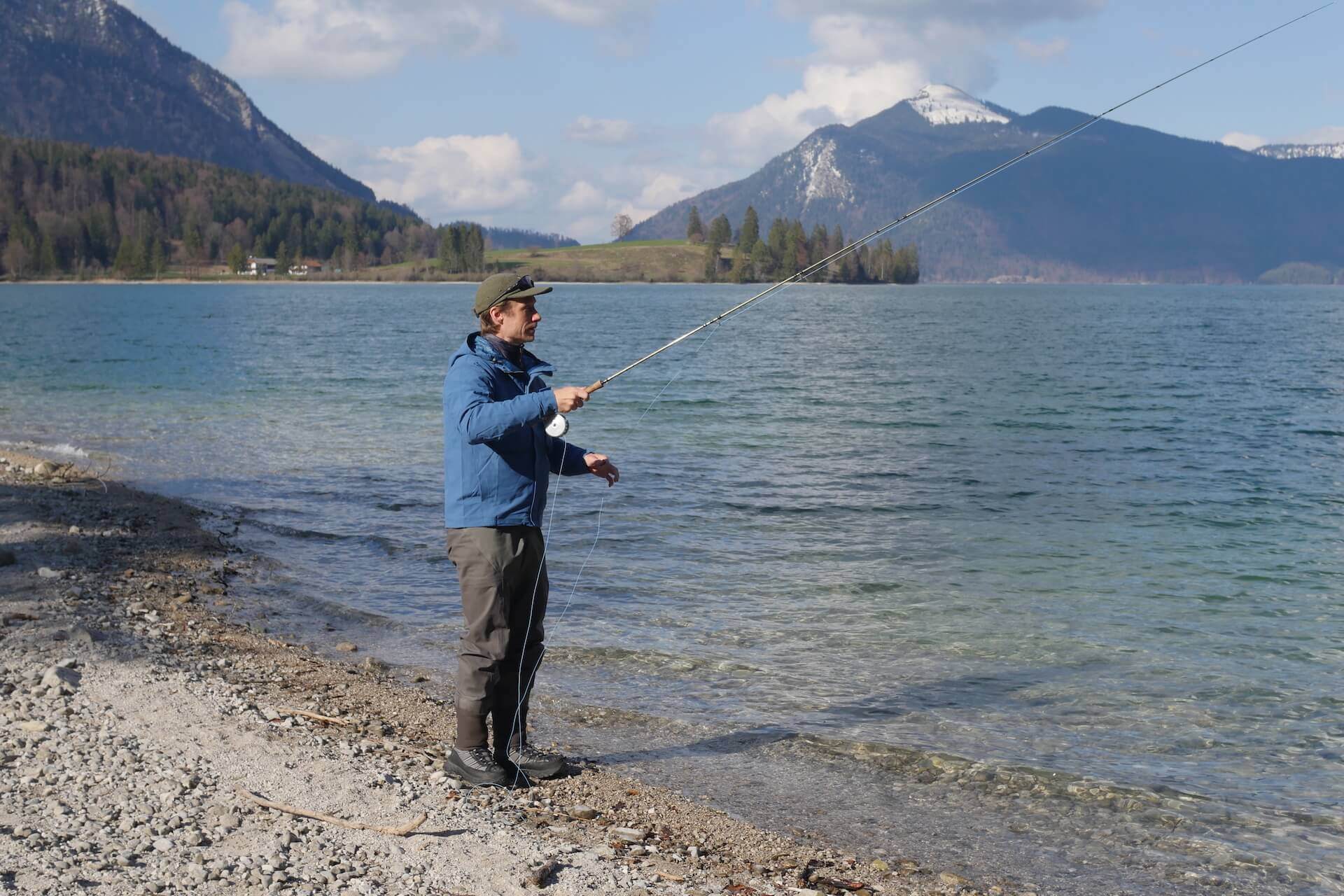
In a nutshell, the Simms M’s G3 Guide Stockingfoot Waders are like that friend you can always count on – reliable, tough, and always up for an adventure. They’re an investment in your fishing experience, and trust me, they’re worth every penny. While they might dig a bit deeper into your wallet than some waders, their durability and performance more than justify the investment.
So, whether you’re a seasoned angler or just dipping your toes into the world of fly fishing, these waders are the real deal. They’ve earned their place as my go-to fishing gear, and I’m pretty sure they’ll do the same for you.
Strengths:
-
Extremely durable
-
Great pocket system
-
Very comfortable suspenders
-
Excellent breathability
-
Snug gravel guards
Weaknesses:
-
Neoprene booties are delicate, use a wader bag or something similar when getting in and out
-
A zippered version would be a nice upgrade
Frequently Asked Questions (FAQs)
How do the Simms M’s G3 Guide Stockingfoot Waders compare to the previous version of the Simms G3 Waders?
The G3 Guide waders are a significant upgrade from their predecessors. The key improvements include updated materials with a combination of 3-layer and 4-layer GORE-TEX Pro Shell fabric, providing enhanced durability and breathability. Additionally, the inclusion of a waterproof zipper on the chest pocket is a notable improvement for easier access to your gear while maintaining waterproof integrity.
How do the Simms G3 Guide waders stack up against the Patagonia Swiftcurrent waders?
While both the Simms G3 Guide and Patagonia Swiftcurrent waders are excellent choices, the G3 Guides offer some advantages. Simms provides a more precise fit with adjustable shoulder straps and a waist belt, allowing for a customizable fit that the Swiftcurrents lack. The G3 Guides also offer a few more pockets, enhancing convenience for gear organization.
How do the Simms G3 Guide waders compare to the Orvis Pro Waders?
Both the Simms G3 Guide and Orvis Pro Waders are known for their durability and waterproofing capabilities. However, the G3 Guides have a slight edge in terms of fit customization, thanks to adjustable straps and a waist belt. They also come with more pockets, which can be handy for keeping your fishing gear organized.
Are the Simms G3 Guide Stockingfoot Waders suitable for use in colder weather conditions?
Yes, these waders are designed to provide comfort in a range of weather conditions. They offer good insulation for colder days while still being breathable enough to prevent overheating in warmer weather. Layering underneath can also extend their usability in colder temperatures.
Can these waders accommodate a wide range of body types?
Absolutely. Simms offers a variety of sizes, and the adjustable shoulder straps and waist belt allow for further customization. Whether you’re tall, short, slender, or more robust, you should be able to find a size and fit that suits you comfortably.
Disclaimer: Some of the links in this article are affiliate links. If you click on one of them and end up purchasing a product we earn a small commission at no extra cost for you. We only recommend products we believe in ourselves.
Opening paragraph rewrite
After a season testing the Simms M’s G3 Guide Stockingfoot Waders, here is what holds up and what is worth knowing before you spend $600 to $750 on a pair. I have logged enough days in these to form a real opinion: sea trout work in Iceland, float trips in Montana, fast-river wading in central European tailwaters. The G3 is Simms’ guide-tier model, sitting one step below the G4 and well above the Freestone in the lineup. Below: what the multi-layer Gore-Tex Pro construction actually does, where these waders fail under load, and how they compare to the Patagonia Swiftcurrent and Orvis Pro.
Why the G3 sits in the guide tier
Wader pricing breaks roughly into three bands: entry-level 3-layer breathables in the $200 to $350 range, guide-tier 3-layer-upper plus 4-layer-lower models in the $550 to $750 range, and saltwater-spec 5-layer construction (Simms G5, a handful of specialty builds) above $800. The G3 sits at the top of the guide tier. The price difference between a $300 wader and the G3 is not driven primarily by membrane cost. Both use a waterproof breathable laminate. The differential is in fabric weight distribution, seam construction, and the labor cost of building the wader where Simms builds it.
A typical $300 wader uses a uniform 3-layer face fabric across the entire garment. That fabric has to compromise: thick enough to resist abrasion at the knee, thin enough to breathe at the torso. The G3 splits the difference. The lower body, where you kneel on gravel bars and brush against thorny streambanks, runs a 4-layer Gore-Tex Pro construction with a heavier outer face fabric. The upper, where breathability matters more than abrasion resistance, runs a 3-layer construction. This is what “guide tier” buys you mechanically: the engineering decision to not compromise either zone.
I visited the Simms factory in Bozeman, Montana last year, and was impressed to see that every step of G3 production happens there on site. That domestic-manufacturing cost is part of what the price covers. The other major cost component is seam construction at high-stress zones, which is the failure point on cheaper waders.
What the $600 to $750 price actually covers
Roughly: Gore-Tex Pro membrane licensing, Bozeman-Montana skilled-labor manufacturing, the split 3-layer-upper plus 4-layer-lower face fabric construction, stitched-and-taped seam reinforcement at the crotch gusset and knee panels (the two failure-prone zones on any pair of waders), the woven gravel guard with snap-down hooks, the anatomically correct neoprene stockingfeet, and Simms’ 60-day replacement plus 365-day free repair warranty. The warranty itself has measurable value: Simms will repair a leak in the first year free, and at $60 per repair thereafter. A wader that lasts five seasons under hard use with one or two paid repairs is mechanically cheaper per fishing day than a $300 wader replaced every two seasons.
The 3-layer upper plus 4-layer lower Gore-Tex Pro construction
A “layer” in wader fabric refers to the laminated composite that makes up the face fabric. A 3-layer construction bonds an outer face fabric (typically a woven nylon or polyester), a Gore-Tex membrane (an expanded polytetrafluoroethylene film with pores roughly 20,000 times smaller than a water droplet but 700 times larger than a water vapor molecule), and an inner backer fabric that protects the membrane from skin oil and abrasion. A 4-layer construction adds either a second outer face for abrasion resistance or a reinforcement layer between membrane and outer. The result is a face fabric roughly 30 to 50 percent heavier than the 3-layer equivalent at the same membrane spec.
The G3 splits the construction at the waist seam: 3-layer above for breathability, 4-layer below for the puncture and abrasion load that the lower body actually sees. This is not a small detail. The most common failure mode on entry-level breathable waders is not membrane failure; it is face-fabric puncture at the knee, where you kneel on gravel, where you brush against deadfall, where the cumulative micro-abrasion eventually opens a path to the membrane. The 4-layer lower buys you abrasion margin that a uniform 3-layer wader cannot.
Seam construction: where these waders actually fail under load
Waterproof seam construction has two general approaches. The traditional method is stitched-and-taped: the panels are sewn together, then a heat-activated waterproof tape is bonded over the inside of the stitch line to seal the needle holes. The newer method is welded: the panels are bonded with thermal or ultrasonic welding without stitching at all. Welded seams are thinner, more flexible, and have no needle holes to seal, but require panel materials engineered for welding.
Simms uses stitched-and-taped construction on the G3, with welded panels in newer reinforcement zones. The high-stress seams that matter are the crotch gusset (the inverted-Y junction where the two leg panels meet the seat panel) and the knee panel attachment. Both bear repeated tensile and shear loads as you step, kneel, and recover. When a wader fails, it almost always fails at one of these two seams: either the tape delaminates from years of flex cycles, or the stitch line pulls open under sustained load and the tape can no longer span the gap.
Across a season of hard use the G3 seams have held. That is not the same as saying they will hold forever. It is the same as saying the construction is fit for purpose at the price point.
Waterproofing: what the membrane actually does
A breathable waterproof membrane like Gore-Tex Pro is not a coating; it is a thin laminated film of expanded PTFE with billions of microscopic pores per square inch. The pore size sits between the size of a liquid water droplet (too large to pass through) and the size of a water vapor molecule (small enough to pass through). The result: liquid water from the outside cannot enter, but water vapor from your sweat can exit, driven by the partial-pressure differential between the warm humid air inside the wader and the cooler drier air outside.
Vapor transport requires a gradient. On a humid 75-degree day with sweat-soaked base layers, the gradient is weak and the membrane breathes slowly. In cold dry conditions, the gradient is strong and the membrane moves vapor efficiently. This is the underlying mechanism behind every angler who has ever said their breathable waders “stopped breathing”, the membrane is working; the conditions just are not driving vapor across it.
The membrane is also pressure-rated. Hydrostatic head ratings (typically expressed in millimeters of water column the fabric resists before leak-through) for Gore-Tex Pro sit comfortably above 28,000 mm, which means submersion to wading depths is well within the rating. Where waders leak, it is virtually never through the membrane. It is through a compromised seam, a puncture in the face fabric that has reached the membrane layer, a worn-through neoprene bootie, or a chest pocket fabric that was never membrane-backed in the first place.
After hours of wading in driving rain and chest-deep work for sea trout, I have stayed dry inside the wader itself. The one place water gets through is the chest pocket fabric, which is engineered for water resistance via a DWR (durable water repellent) finish on the face fabric plus a waterproof zipper, not via membrane backing. DWR degrades with abrasion and dirt over time; expect the chest pocket to wet out in sustained rain after a season or two, regardless of how new the wader is overall.
Breathability and thermal regulation on long days
Waders do not insulate. This is the single most common misunderstanding about cold-weather wader performance. The G3’s multi-layer composite construction does trap a thin air gap that has a marginal insulating effect, but the meaningful thermal regulation on a 35-degree day comes from your base and mid layers underneath the wader, not from the wader itself. The wader’s job is to keep the liquid water out and let the vapor escape so your insulating layers stay dry. Wet insulation fails (loses most of its R-value when saturated); the membrane keeps the insulation dry; the insulation keeps you warm.
On the warm-weather side, the breathability matters in the other direction. A long hot summer day wet-wading is a non-issue, but a long hot summer day in the G3 with no liquid water against the membrane requires the vapor gradient to actually do work. With light base layers underneath, the G3 moves vapor well enough that I have not had the swampy-feel problem that plagues uniform 3-layer waders in heat. The split construction helps here: the 3-layer upper, which sits against your most sweat-prone torso skin, breathes faster than a uniform 4-layer build would.
Stockingfoot system mechanics
The G3 is a stockingfoot wader, meaning the wader terminates in an anatomically correct neoprene sock that goes inside a separate wading boot. This is the dominant fly-fishing wader architecture, and for good reason: a separate boot allows ankle support, terrain-appropriate sole choice, and replacement of the boot independently of the wader. Integrated bootfoot waders save you the cost of buying boots but compromise on ankle support and lock you into one sole type for the life of the wader.
The neoprene bootie is also one of the two most failure-prone parts of a wader (the other being the crotch gusset seam, addressed above). Pinhole leaks in the neoprene from gravel-trapped-between-bootie-and-boot grit are the most common single failure mode on the G3 in particular. The fix is to put the waders on inside a wader bag or on a tarp, never on bare gravel, and to rinse the booties at the end of each day. The pairing here matters: for the boot interface, see my reviews of “.
Durability across a season, and where these waders actually fail
A season of hard use across river, lake, and sea-trout-flat conditions, and the G3 has held. No leaks, no seam delamination, no bootie pinholes (with the on-tarp habit above). The face fabric shows wear at the knees where it should, surface abrasion only, not down to the membrane layer.
Why some buyers report disappointment
There is a thread of complaints online about Simms G3 longevity not matching the price. The complaints pattern: crotch-gusset seam failure within 12 to 24 months, neoprene bootie pinholes inside one season, chest pocket fabric wetting through. The honest read is that some of these are user-pattern problems (gravel trapped against the bootie, taking the wader off inside-out on rough ground), some are genuinely bad units (manufacturing variance is real on any product where humans sew the seams), and some are calibration: a wader used 80 days a year by a guide is doing 8x the cycles of a wader used 10 days a year by a weekend angler, and seam life is fatigue-cycle limited, not calendar limited.
Simms backs this with a 60-day full replacement window for leaks and 365 days of free leak repair. After the first year, repairs cost $60. Use the warranty. A pair of G3s that gets repaired twice in five years and lasts those five years of guide-day use is a different value proposition than the worst online review suggests. If you are a 10-day-a-year angler, you may never see these failure modes. If you are a 60+ day angler, you should expect at least one seam repair across the lifetime of the wader, and that expectation should be priced into your buying decision rather than treated as a surprise.
Verdict rewrite
The Simms G3 Guide is the right wader if you are logging serious days on the water, guide work, regular destination trips, frequent multi-day blocks. The 3-layer upper plus 4-layer lower construction, the Bozeman-built seam quality, the warranty backstop, and the slim-cut fit in fast current together justify the $600 to $750 spend at that volume of use. If you fish ten days a year, you do not need the G3. A mid-tier 3-layer wader from Orvis, Patagonia, or Redington in the $300 to $450 range is mechanically sufficient for that use pattern and the membrane technology underneath is functionally identical. The G3’s value sits in the construction details that matter under repeated load, and those details only pay off if the load is there.
What I would add if Simms updated the G3 again: a zippered version (Simms offers it on the G4Z and Freestone Z but not on the standard G3), submersible chest pocket construction, and continued migration toward welded seams in more zones.
FAQ #4 rewrite
Waders do not insulate. The G3 keeps liquid water out and lets vapor escape, which keeps your insulating layers (merino base, fleece mid, optional puffy) dry. Dry insulation maintains its thermal value; wet insulation does not. The G3’s multi-layer composite construction traps a thin air gap that has a marginal direct insulating effect, but the meaningful warmth on a 35-degree day comes from what you wear underneath. Layer for the air temperature, not the water temperature, and let the wader do its job of separating you from the water.
How long should a pair of Simms G3 waders last under hard use?
It depends on day count, not on calendar age. A 60+ day-per-year guide should expect 3 to 5 seasons before a meaningful repair (typically a crotch gusset reseam) and 5 to 7 seasons before the wader is past its useful life. A 10 to 15 day-per-year angler can reasonably expect 7 to 10 seasons. The variable is fatigue cycles on the high-stress seams, not time.
Are the G3 Guide waders worth it over the Simms Freestone?
The Freestone uses a uniform 3-layer construction at a lower price point. For occasional use in mild conditions, the Freestone is fine. For repeated hard use, the G3’s 4-layer lower body construction is the differentiator. If you wade a lot of brushy water or kneel on gravel often, the upgrade is mechanically justified.

Leonard Schoenberger is a fly fishing professional and gear specialist with over 20 years of experience on the water. As the manager of Heidarvatn, a world-class sea trout lodge in Iceland, his product recommendations and tactical advice are tested in some of the most demanding conditions on earth. His expertise has been mentioned in The New York Times, the Financial Times, and at the Outdoor Media Summit.