Last updated on September 5th, 2026.
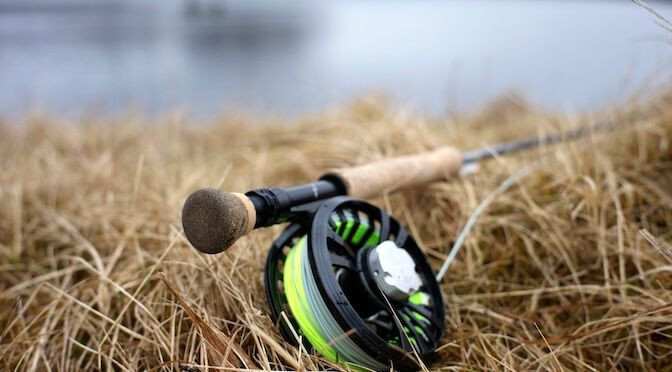
A fly rod combo is a great way to make sure your setup is well-balanced. Here’s why the Orvis Clearwater is a great choice.
Specs and features:
Multiple sizes from #3 to #8 available
Price: $419-429
Rod: Medium-fast
Reel: Adjustable drag
Rod and reel tube
What’s included: all variants feature a rod, reel, backing, line and leader. Depending on the size you go for, different reels, lines and leaders are included. The 10′ #3 version for example is aimed at the nymph fisherman and hence includes a special nymph leader setup.
Warranty: 25 years
Model tested: 9′ #5
Disclaimer: All products in this guide are independently researched by our team. We only recommend products we believe in and never get paid for the reviews. Learn more about our review process here.
The Idea behind the Orvis Clearwater Combo
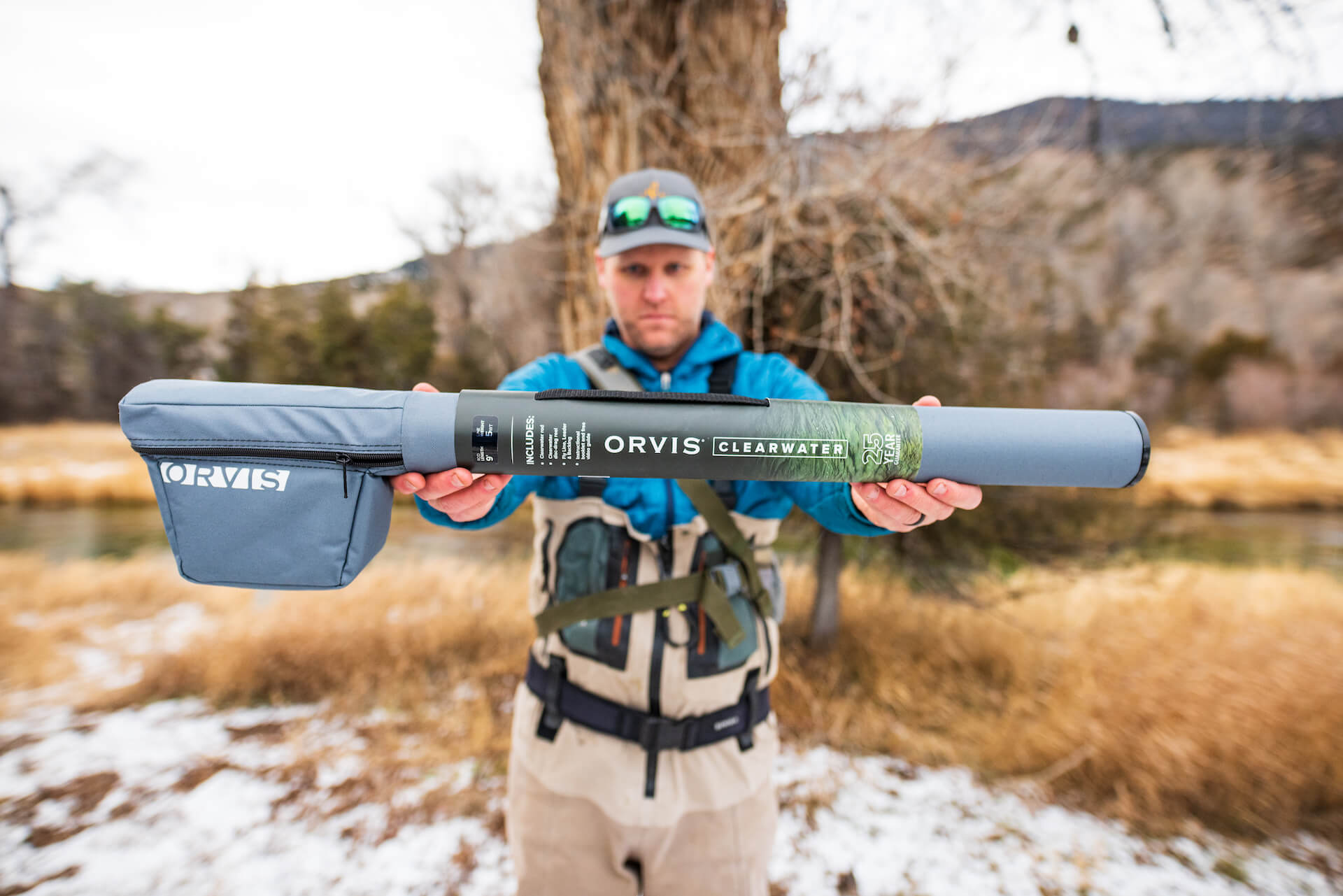
The Orvis Clearwater combo has been in the market for a long time and like a fine wine it’s aged well over time. This set includes two of Orvis’ most popular products: the Clearwater fly rod and the Clearwater fly reel. On their own these components are a great trout rod and trout reel already. So why not combine the best of both worlds to create a great fly rod combo? That’s exactly what Orvis did. We took this set out to fish in snowy Montana and tell you what we think of it.
Design and Build
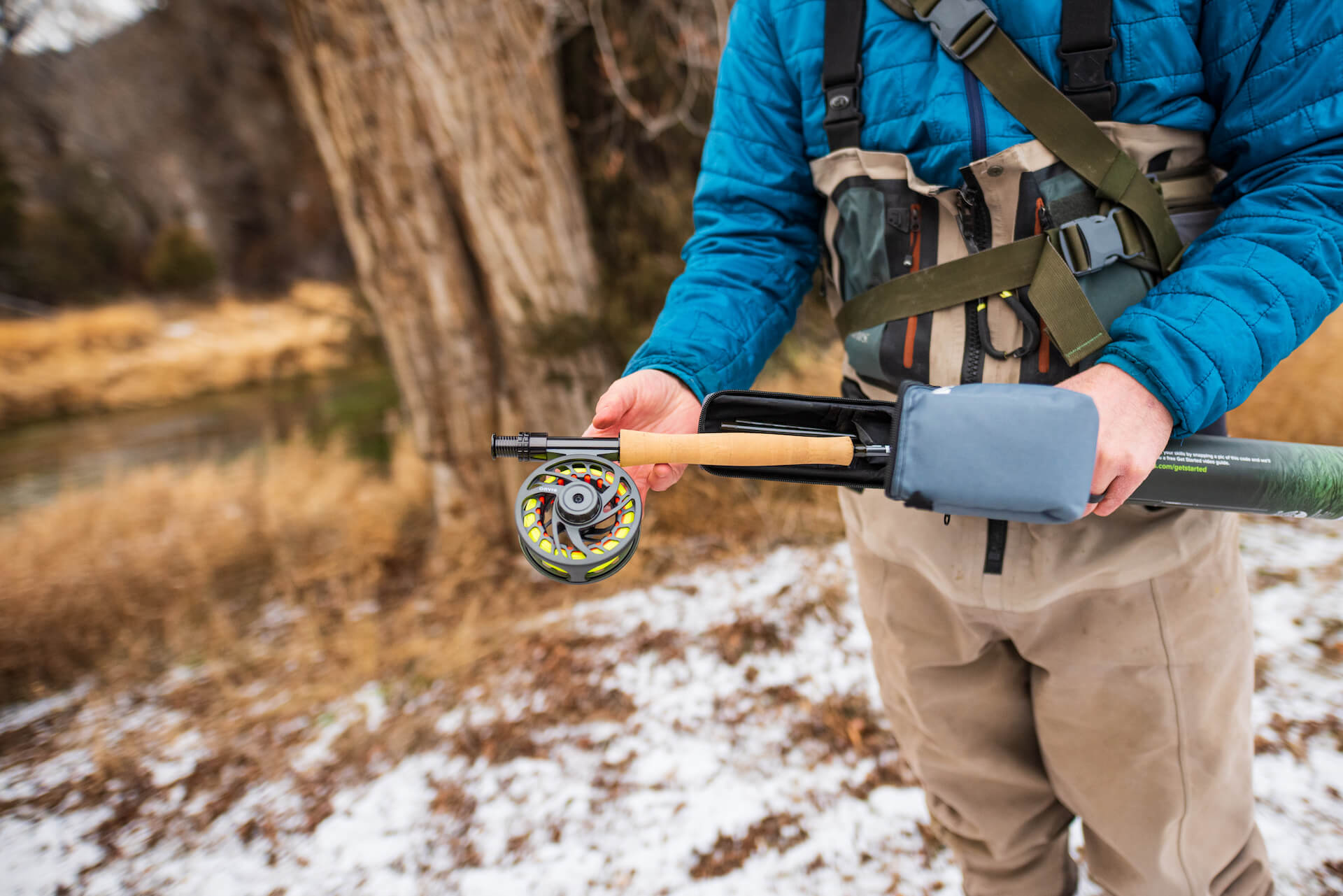
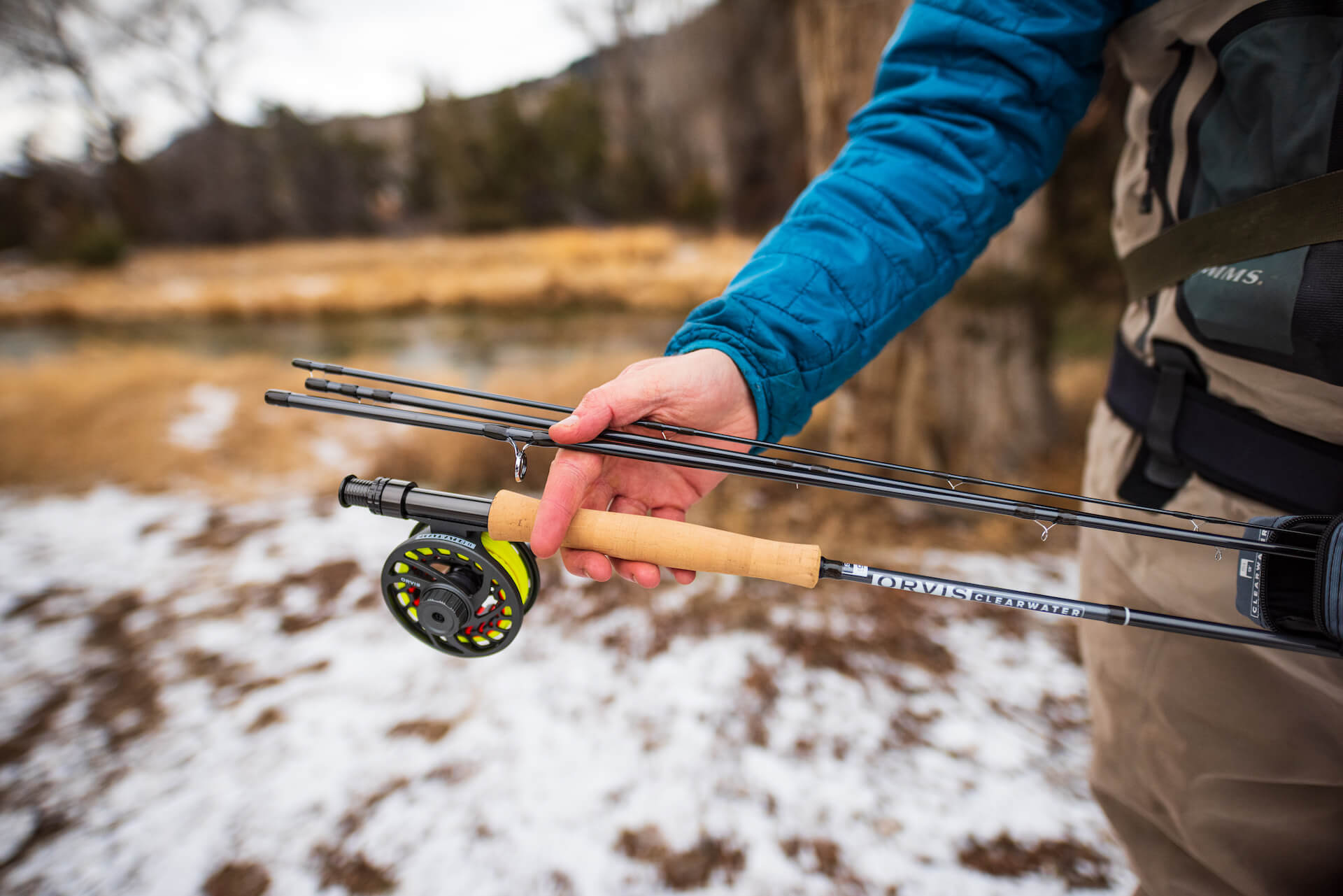
The Clearwater outfit costs around $430 (depending on the model you go for). That puts this fly rod combo in the mid-range section and you can tell that this set features quality components the moment you take it out of the neat travel case it comes in. As a rule of thumb, fly rod outfits are designed to make it easy for beginners and intermediates to ensure that their set is well balanced. What I also like about these sets is the fact that they are ready to fish within minutes.
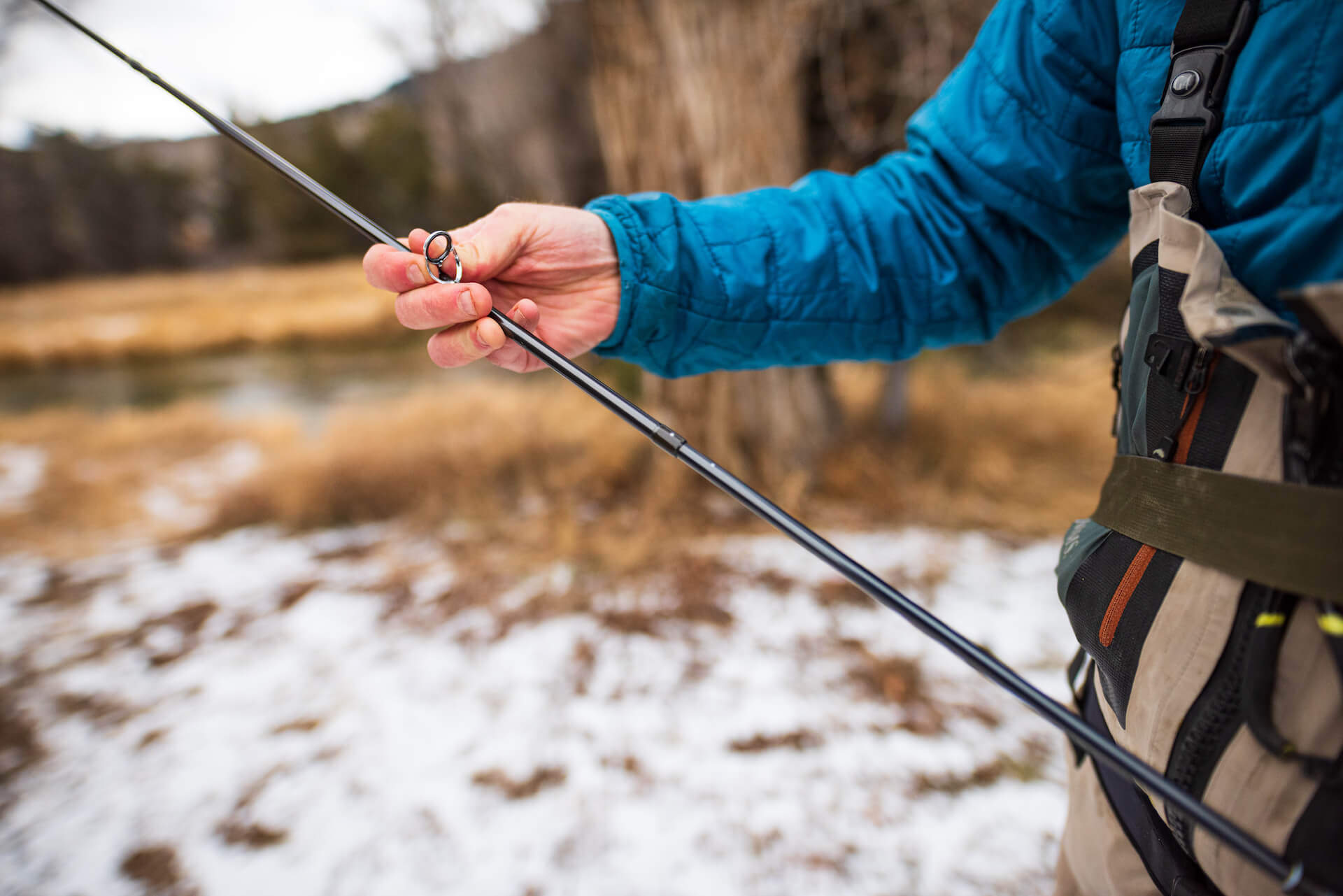
Since the Clearwater combo comes in a practical travel case, you can even leave the reel attached and only have to assemble the rest of the rod pieces when you get to the water. Orvis even makes that process easy for you by putting alignment dots on the sections of the rod to make sure your rod will work perfectly. The clearwater features a nice, subtle dark blank color with white accents. What I also like in terms of the design is the fact that the rod and reel blend in nicely – everything is kept in dark tones – good job, Orvis.
Versatility
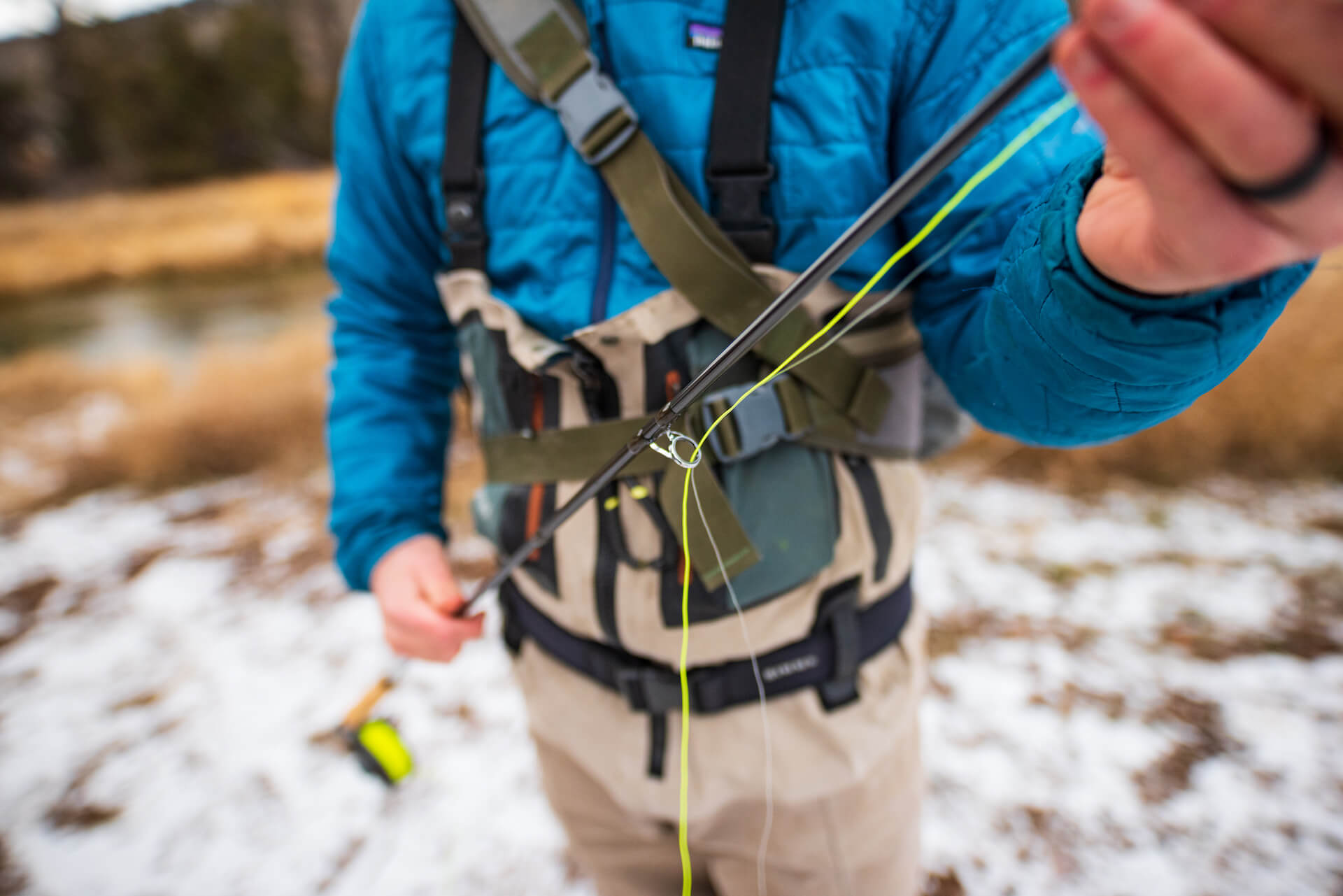
Besides the popular Clearwater rod and reel, the outfit also comes pre spooled with backing and a fly line. Here again, it depends what line class you go for. In our case, since we tested the #5 9′ version, the set comes with a Clearwater fly line. This WF (weight forward) line is a great allrounder that enables you to cover almost all fishing situations you might encounter when out fishing for trout in rivers. The set also includes a 4X leader (which is on the stronger side if you want to fish dries or nymphs for example) that worked well for us since we fished with bigger streamers. The rod and line had no problems getting big streamers out and across.
The Clearwater reel is a very solid fly reel as well. best fly reels It features an adjustable drag that I found to work well across the board. Sure, it doesn’t have the craziest breaking power in the game but you wouldn’t expect that from a reel that costs around $120 (if bought separately). What’s great about this reel besides its solid performance is the fact that you can easily switch it from left-hand retrieve to right-hand retrieve and back – that means no matter whether you’re reeling in with your left or right hand, the Clearwater can do both. Another plus of this reel is its large arbor. In real life that means you can pick up line faster than with a traditional arbor reel. This helps when a trout is running towards you and you have to make sure to keep tension in your line (that is particularly important if you’re practicing catch and release and using barbless hooks).
Casting Experience
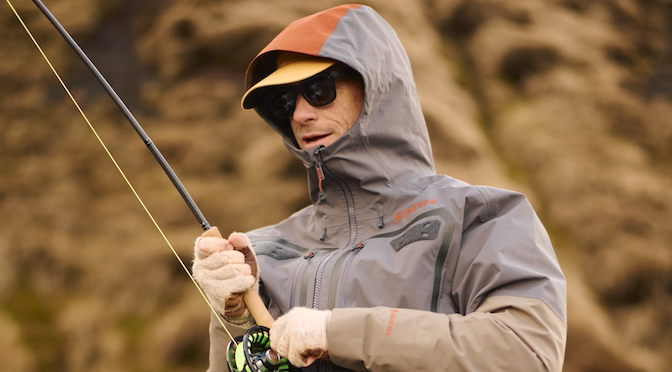
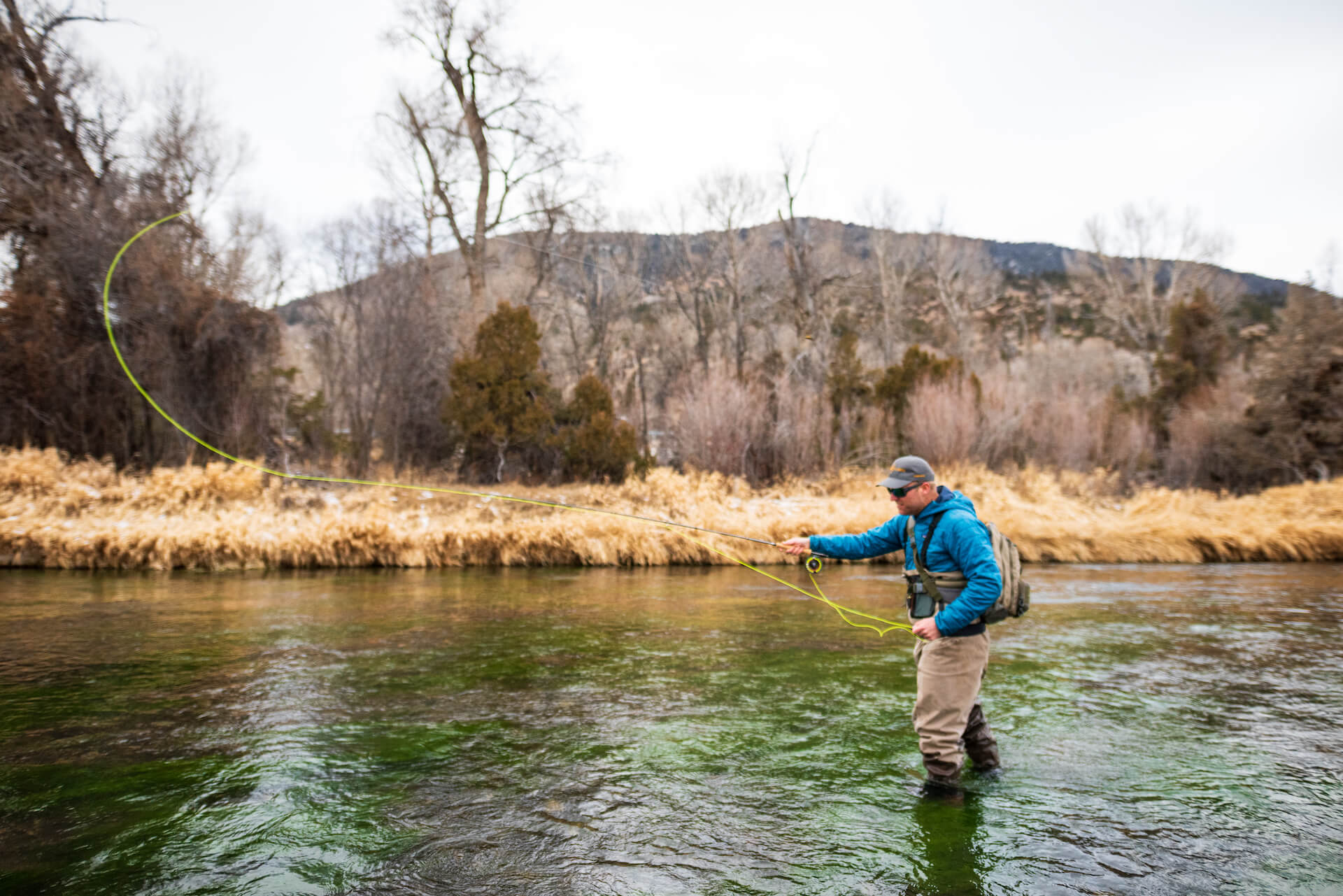
The heart of any fly fishing setup lies in its casting performance. From my perspective, the Clearwater rod excels in this department, offering a responsive and accurate casting experience. It loaded well at shorter distances, making it ideal for smaller streams, while still delivering the power needed for longer casts on larger bodies of water, enhancing my overall fishing experience. In the photo below you see us casting a big streamer and the rod had no issues doing that to our full satisfaction.
Value for Money
In my eyes, value for money is a crucial consideration in the realm of fly fishing. The Clearwater combo strikes an excellent balance between performance and affordability. If you think $400 is too much for your budget and you’re still looking for a quality fly rod combo, make sure to check our big “Buyer’s Guide to the Best Fly Rod Combo” in which we discuss a wide variety of fly rod combos and compare them to each other. The Redington Original and the Cortland Guide combo are two more fly rod outfits that we got our hands on recently and that we can recommend. They come in at almost half the price of the Clearwater.
FAQs: Orvis Clearwater Fly Rod Outfit
Is the Orvis Clearwater Combo suitable for beginners?
In my eyes, absolutely. The Clearwater combo’s moderate action and user-friendly features make it an excellent choice for those new to fly fishing.
Can the Clearwater combo handle larger fish species?
Based on my experience, yes. The Clearwater rod and reel are designed to handle a variety of fish sizes, providing the necessary strength and drag for larger species. The strongest setup in the Clearwater lineup is an #8 which can handle pike, salmon and even saltwater species like striped bass.
Is the Clearwater combo suitable for different fishing environments?
From my experience, yes. The combo’s versatility shines through, making it suitable for various fishing scenarios, from small mountain streams to larger bodies of water.
Does the Clearwater combo offer good value for money?
Absolutely. The Clearwater combo delivers exceptional performance at an attractive price point, offering great value for both beginners and experienced anglers. Plus, Orvis gives you a “no questions asked” warranty of 25 years.
Why You Should Trust Us
Leonard Schoenberger and his team spend plenty of days out fishing. Their goal is to test and review products for you so you can make a solid purchase decision and improve your fly fishing game. We always express our honest opinions, never get paid for reviews and are proud of our editorial independence.
Disclaimer: All products in this guide are independently researched by our team. We only recommend products we believe in and never get paid for the reviews. Learn more about our review process here.
The Orvis Clearwater outfit is a matched set: a medium-fast graphite rod, a large-arbor sealed-disc reel, a weight-forward floating fly line spooled with backing, and a 4X leader, packed in a travel tube. The whole point of a matched outfit at this price tier is that someone has already done the AFFTA grain-weight math for you. A 5-weight fly line carries a specific load (roughly 140 grains in its first 30 feet) and the rod is tuned to flex into the middle of the blank under exactly that load. Buy a rod and a line separately as a beginner and you can easily mismatch them; the matched outfit removes that failure mode before you ever rig up.
We took the 9′ #5 version out in snowy and ran it through the conditions you’d realistically meet on a trout river: weighted streamers in the slower runs, dries when the water surfaced enough to fish them, and the standard nymph rig in between. The setup is a Clearwater rod, a Clearwater reel with adjustable carbon-to-stainless drag, a Clearwater WF5F floating line, and the 4X leader the kit ships with. On its own each of these components is a strong individual product (see our reviews of the Clearwater rod as a trout rod and the Clearwater reel as a trout reel); the question this review answers is whether they work together as a system, and what tier of angler they actually serve. If you want to see how this outfit stacks up against the broader market of starter combos, our best fly rod combos guide covers the alternatives.
How the Clearwater outfit works as a system
The reason a matched outfit exists as a product category is that fly casting is a load-transfer system, not a throwing system. The rod is a flexible spring. The line is the weight that loads the spring. The reel stores the line. Get any one of those three out of spec for the other two and the system stops working before the angler ever gets a chance to make a mistake.
Here’s what’s happening when the Clearwater works. The 9′ 5-weight rod is built to flex into the middle of the blank under the load of roughly 140 grains of line in the air (the AFFTA standard weight of the first 30 feet of a 5-weight line). The Clearwater WF5F line that ships with the outfit puts that 140-grain mass in the front 30 to 40 feet of the line (that’s what “weight-forward” means), so when you have 30 feet of line out past the rod tip, the rod is loading exactly the way the engineer intended. The reel’s job in this system is twofold: it stores the line when you’re not casting, and it has enough arbor diameter to pick line up fast when a fish runs toward you (the large arbor on the Clearwater reel is the spec that solves that problem).
The price floor on a system that actually works is somewhere around $200 to $250. Below that point, you generally get a rod blank that was built to a price, paired with a line that wasn’t matched to that specific blank, paired with a reel whose arbor is too small to keep the line from coiling into memory loops. The combo still “works” in the sense that you can cast a fly, but you’re spending the first season fighting the gear instead of learning to read water. The Clearwater outfit at $250 to $430 (depending on size) sits in the band where the line and rod were actually matched on a casting pond before the package was sealed. That’s the specific thing you’re paying for, and it’s why the matched-outfit format exists at all.
What the outfit is not, and what makes it the right starting place rather than the wrong one: it isn’t a Sage X or an Orvis Helios. Those rods are built around higher-modulus graphite, faster recovery, and the assumption that the caster has the timing to convert that stiffness into line speed. A beginner casting a Sage X usually casts it badly, because a fast-action rod with high-modulus graphite punishes mistimed strokes. The Clearwater’s medium-fast taper does the opposite: it forgives the timing while still loading well at intermediate distances. Once an angler’s mechanics catch up to the gear, the Clearwater becomes the rod they keep as a backup or a travel rod, not the rod they outgrow and resent.
Why medium-fast action is the right call for a learning rod
Rod action describes where in the blank the rod bends under load. A slow-action rod flexes all the way down to the cork, which makes it great for delicate short-range presentations on small streams but useless for punching a streamer into a headwind. A fast-action rod flexes only in the top third of the blank, which generates the high line speed you need for distance and wind but demands precise timing from the caster: stop the rod a fraction too early or too late on a fast rod and the loop collapses. A medium-fast rod splits the difference: it flexes into the middle of the blank under load, which gives the caster a wider window of acceptable timing while still building enough line speed to fish at intermediate ranges.
This is why the Clearwater excels in the 25 to 50 foot casting band, the band where most actual trout fishing happens. Hatch Magazine’s review of this same rod calls out that exact distance window; what they don’t explain is that it’s not an accident. A 9′ 5-weight medium-fast rod paired with a WF5F line is engineered for that window, because the mass in the front 30 to 40 feet of the line matches the rod’s loading curve at that distance. You don’t have to false-cast 50 feet of line in the air to feel the rod load; 25 to 30 feet is enough.
The practical consequence is that the Clearwater rewards the cast a beginner is actually capable of making. The forgiving middle-flex absorbs the small timing errors that wreck a fast rod’s loop. The line loads the rod at distances a beginner can manage. The matched 4X leader turns the loop over at the end of the cast without slapping the water. None of this is magic; it’s the physics of energy transfer through a tapered flexible spring, applied to the price tier where matched gear is the norm rather than the exception.
The cast on the Clearwater isn’t a “throwing” motion; it’s a smooth acceleration to an abrupt stop, and the rod tells you when you’ve timed it right. With 25 to 35 feet of line out, the middle of the blank loads under the WF5F head and the rod feels alive in the hand without going heavy. Push out toward 50 feet and the rod still loads, just with less margin for sloppy timing on the back cast. I pushed it both ways: short casts to seams in tight Montana runs, longer casts when a streamer needed to land across a wider stretch of water. The rod didn’t ask me to be a better caster than I am, which is the actual job of a rod at this price tier. In the photo below the rod is moving a big weighted streamer cleanly; that’s where you can feel the medium-fast taper doing its work, because a slow rod would have given up on a streamer that heavy and a fast rod would have demanded harder timing to load.
The Clearwater reel uses a carbon-to-stainless stacked disc drag, which is the spec that separates it from the plastic-knob drags you find on sub-$80 reels. A stacked carbon disc gives the reel consistent breaking pressure across a wide range of settings; the stainless mate keeps the surface from glazing under heat. In practice that means the drag does what you set it to, which sounds obvious but isn’t, at this price point: most cheaper reels slip a setting or two when wet or warm. I found the adjustable range usable across the board; it doesn’t have the fine-grained tunability of a machined Hatch or a Lamson Speedster, but I wouldn’t expect that from a reel that costs around $120 if bought separately. What’s solid: the left-to-right retrieve swap is genuinely easy (drop the spool, flip the pawl, done), and the large arbor picks up line fast enough that when a trout runs toward you (exactly the moment when slack ruins a barbless catch and release hookup) you can keep tension by reeling, not by stripping.
The Clearwater WF (weight-forward) line is what you’d expect at this tier: the mass is concentrated in the front 30 to 40 feet, which is the design choice that lets a medium-fast 5-weight rod load at the distances a beginner can actually reach. A double-taper line would mend more delicately at very short range but wouldn’t carry a streamer or a heavy nymph rig the way the WF head does, which is why every starter combo on the market ships with weight-forward as the default. The 4X leader the kit ships with is on the stronger end of the trout range, which worked for us with bigger streamers but means a dry-fly purist will eventually want to add a thinner tippet section (5X or 6X for size 18 and smaller mayflies).
The Clearwater outfit sits in a specific market band: too expensive to be a true entry-level kit, not expensive enough to compete with a premium rod-and-reel build. The $400 question isn’t “is that too much,” it’s “what does the next $200 down or up actually buy you?” Going down to a $200 combo (we’ve reviewed a few; see the Redington Original kit and the Cortland Guide Series outfit, both genuinely usable at that price) gets you a working rig but with a less consistent drag and a line that isn’t quite as well-matched to the rod. Going up to $700 and above gets you a faster, higher-modulus rod whose advantages are mostly invisible until your casting mechanics have a season or two of mileage. If you want the full comparison set across price tiers, our buyer’s guide to the best fly rod combos walks through the alternatives in detail. The Clearwater is the right answer for the angler who wants gear that won’t be the bottleneck for the first two or three seasons, and that’s a defensible answer at $430.
Where the Clearwater fits in the rod hierarchy
This page is a single-product review. If you’re shopping more broadly, here are the natural next stops:
If you’re looking at the broader market of matched starter combos at the same price point, including the Redington Original, the Cortland Guide Series, and a few sub-$300 options worth taking seriously, our best fly rod combos guide is the comparison page.
If you’ve already decided you want a 5-weight for trout and you’re comparing the Clearwater rod (the rod by itself, not the outfit) against the rest of the trout-rod market (Sage Foundation, Echo Carbon XL, Redington Path, the higher-end Helios), our best trout fly rod guide is where to go. The Clearwater is the medium-fast forgiving rod in that lineup; the others split off by action profile and price.
If you’re earlier in the decision than that (you know you want a fly rod but you haven’t decided on weight, length, or species target yet) our best fly rods guide covers the full category from 3-weight small-stream rods up through 10-weight saltwater.
Rewritten FAQ panels (replace lines 226-249)
Panel 1, “Is the Orvis Clearwater Combo suitable for beginners?”
Yes, and that’s the price tier it’s built for. The medium-fast taper forgives the timing errors a new caster will make, and the matched line, leader, and reel mean you don’t have to make any compatibility decisions before you fish. The 9′ 5wt is the most flexible size for a first fly rod; the lineup also includes specialized sizes for nymphing (10′ 3wt) and bigger water (9′ 8wt) for anglers who already know what they’re targeting.
Panel 2, “Is the Orvis Clearwater fast action or medium-fast?” (new, direct PAA match)
The Clearwater rod series spans actions: small-stream rods are medium-action, the standard freshwater range (including the 9′ 5wt we tested) is medium-fast, and the big-game rods (8wt and up) are fast-action. The 9′ 5wt is medium-fast, which is the action profile that loads at intermediate casting distances without demanding the precise timing a high-modulus fast-action rod requires.
Panel 3, “Can the Clearwater combo handle larger fish species?”
Yes, when you pick the right size. The 8wt Clearwater handles pike, salmon, and light saltwater species like striped bass; the 9wt is the standard for bonefish. The 5wt we tested is the trout-and-smaller standard. Match the rod weight to the fish, not the brand to the species.
Panel 4, “Is the Clearwater combo suitable for different fishing environments?”
Yes. The 9′ 5wt covers most freshwater trout situations from small streams to drift-boat work on bigger rivers. For Spey casting, salmon, or dedicated saltwater work, Orvis makes Clearwater variants in those specs (two-handed Spey rods, 8wt-and-up saltwater rods), but a single 5wt outfit won’t cover every scenario. Match the weight to the application.
Panel 5, “Does the Clearwater combo offer good value for money?”
Yes, but the framing matters. The Clearwater is the matched outfit that does what the matched-outfit format is supposed to do: the rod, reel, line, and leader are tuned to each other, the drag is a carbon-stainless disc (not a plastic knob), and the 25-year warranty is real. The next price tier down ($150 to $250 combos) usually gives up on either the drag spec or the line-rod match; the next tier up ($600 and above) gets you faster, lighter graphite whose advantages take a season or two of mechanics to feel.
Leonard Schoenberger runs The Wading List from southwestern Norway, where he manages Heidarvatn, a demanding sea trout lake that has been the testing ground for most of the gear that appears on this site. He has written for the New York Times, the Financial Times, Fly Fisherman International, and the One More Squiggle journal. The Wading List team tests gear in the conditions it’s built for, publishes honest assessments, and never takes payment for reviews. Editorial independence policy.

Shane Rickert
Shane Rickert is a Montana-based fly fisherman and story teller. His focus is on fishing the wide variety of Montana rivers, either from a drift boat or wading in freestone rivers. He's an expert on all things tackle from rods, reels and lines to all kinds of wading gear. Learn more about Shane.