Last updated on September 30th, 2026.
When it comes to fly rods, there are different weight categories.
It’s important to select a weight class after determining the level of flexibility and performance you’re looking for. Because there are different types of styles and techniques in fly fishing – for example saltwater and freshwater fishing, or dry fly and nymph fishing, you need to invest in something that’s designed to help you enhance your experience in the type of fishing you’re looking to do. So, in essence, buying a rod will either maximize your performance or hamper it depending on the type of fish you’re hunting.
A 4 wt fly rod is basically at the bottom spectrum of the weight classification – meaning it’s one of the lowest weights. This also means that they’re perfectly suited for anglers that are looking for a combination of high-end precision and the necessary power to catch small to medium-sized fish such as trout or small bass, even in windy conditions. It’s also important to keep in mind that 4 wt fly rods are also often used for a technique called euro nymphing (a special kind of nymph fishing for which you use slightly longer, sensitive rods with fine tippets). Four weight rods are also used in so-called trout spey fishing which is a technique for which you use light double handed rods (mostly in the #3-#5 range) to swing flies across a river to target species such as brown trout, rainbow trout or also smaller steelhead.
In this product guide I want to give you an overview of some of the best 4 wt fly rods out there. We’ll take a look at traditional single handed #4 rods in the 7′ – 9′ range, a few options for nymph rods and towards the end of the guide also at trout spey rods in the 4 weight range.
Disclaimer: All products in this guide are independently researched by our team. We only recommend products we believe in and never get paid for the reviews. Learn more about our review process here.
Why You Shouldn’t Pass on the 4 wt Fly Rod Category
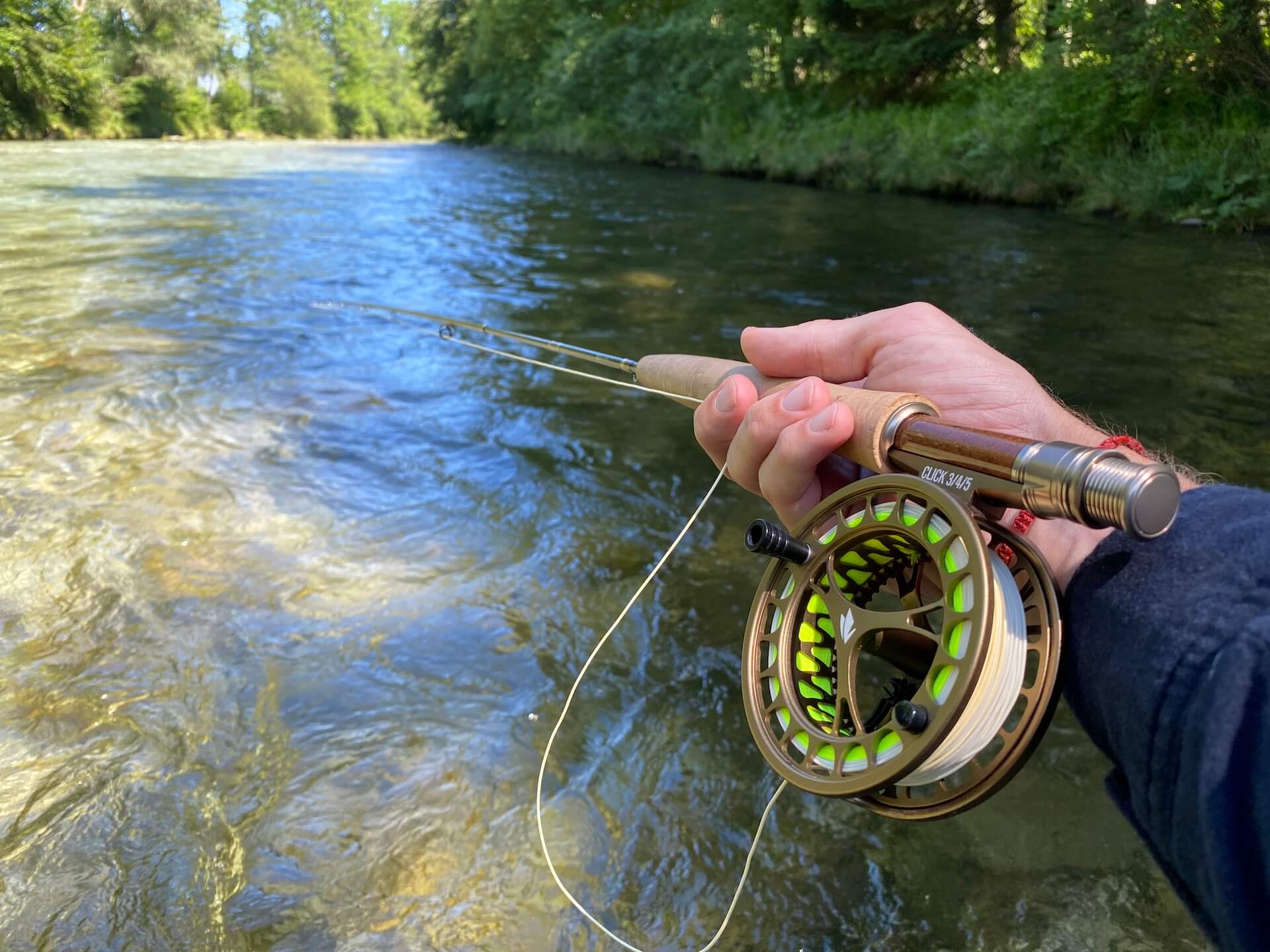
A lot of experienced anglers are mostly seen going for the 5 wt category in fly rods (the gold stanard for trout fly rods). And rightly so, 5 wt rods are designed for power and versatility. However, although both 4 wt and 5 wt rods are considered more or less the same weight class, there are some important differences between the two. Let’s discuss how a 4 wt differs and why you should definitely try one out!
Great for Precision-Based Fishing and Handling
When it comes to trout fishing, a 5 wt rod is an excellent choice mainly because its built to provide anglers with a high degree of flexibility. On top of that you can use a variety of streamers, nymphing presentations, etc. But when you talk about delicate handling, it can’t get any better than a 4 wt. Why? Well, that’s because casting with a 4 wt is smooth and a bit softer. Moreover, it will also help secure lightweight tippets.
You Can Catch Larger Fish Species with a 4 Weight Fly Rod
Most people believe that to catch larger fish species or casting streamers, you need a heavy fly rod. And sure, there’s a lot of truth to that because big fish hunting comes with a variety of factors such as abrupt gusts of wind, sinking lines, etc. However, a fast-action 4 weight fly rod is a surprisingly effective streamer rod for unweighted and even lightly weighted patterns from my experience. Like I mentioned further up, the #4 rod category is also becoming increasingly popular for euro nymphing and trout spey fishing.

The Best 4 Wt Fly Rods
Let’s now take a look at some solid 4 weight rod options out there. We’ll be looking at traditional single hand rods, nymph rods and trout spey rods.
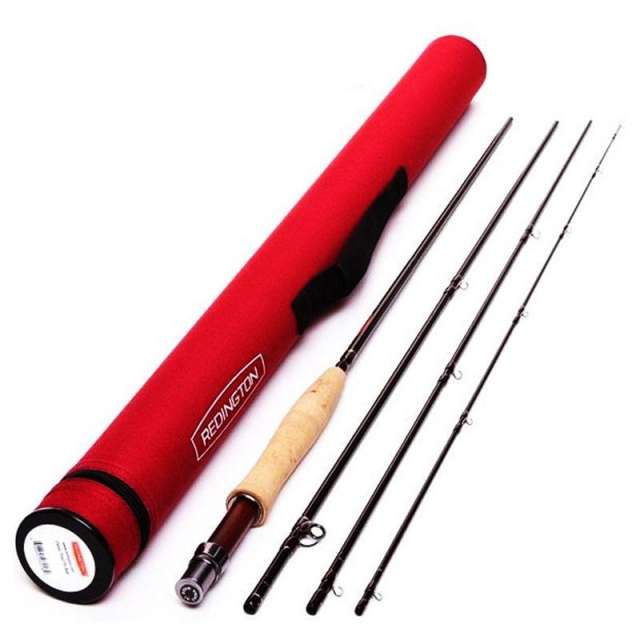
Redington Classic Trout 490-4
Key features:
– Entry level trout rod
– Wooden reel seat
– Good trout allrounder
Why we picked it:
Redington has gained many fans amongst fly fishermen for producing quality gear at affordable prices. The reason for that is the fact that Redington belongs to farbank, a company that also owns Sage who are known for producing some of the finest fly fishing gear on the planet. In my eyes, Redington is like Sage’s little brother, profiting from their experience.
The Classic trout series is – as the name suggests – everything you’re looking for in a classic trout fly rod. I recommend getting the #4 as a 9ft rod since it’s an excellent allrounder. It will serve you well as a dry fly, streamer and wet fly rod but will also work for nymph setups (in my eyes 9ft in length is the lower end of the scala for nymph setups). In terms of design, the Classic trout stays classy with a wooden reel seat and dark brownish blank color. The rods’ action can be described as medium fast and – in my eyes – makes an excellent, forgiving beginner and intermediate rod.
Echo Carbon XL Euro Nymph 4100
Key features:
– Aimed at the avid nymph fisherman
– Cordura rod tub
– High versatility
Why we picked it:
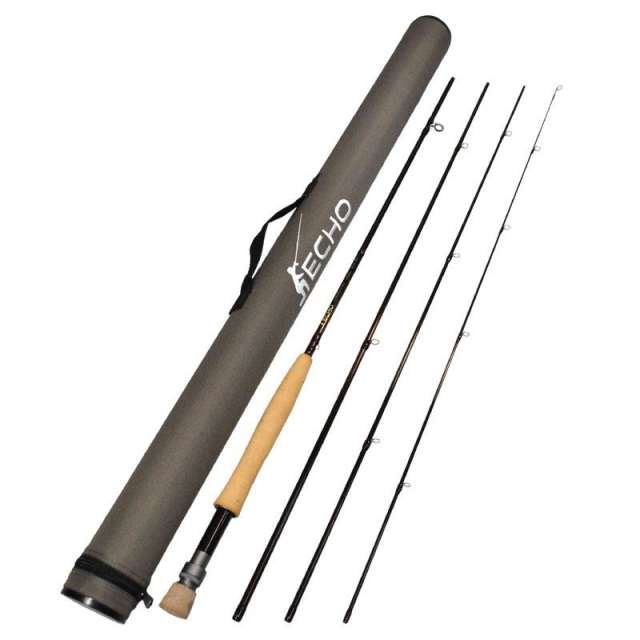
Talking about nymphing, it doesn’t get better in terms of affordability and performance than the Echo Carbon XL Euro Nymph 4100. Coming at 10′ this is a rod clearly designed for euro nymphing where the styles requires good reach to follow your nymph on every drift with precision. At $299 you get a rod that’s both sensitive enough to detect even subtle takes and yet has enough backbone to play even bigger fish (you’ll be surprised of the size of the fish you can catch with this technique since it’s very effective and often triggers trout to take that have neglected a streamer or dry fly before).
Besides its solid casting performance, I also like the Echo XL Euro nymph for its low weight. Don’t underestimate this feature, particularly if you’re just getting started with this technique. I am sure it will put some extra strain on your lower and upper arm as you need to fish an active style. Comes with a cordura tube and a lifetime warranty – hard to beat at $299.
Cortland Nymph
Key features:
– Long reel seat
– Medium length at 10’6″
– Comes with a guarantee
Why we picked it:
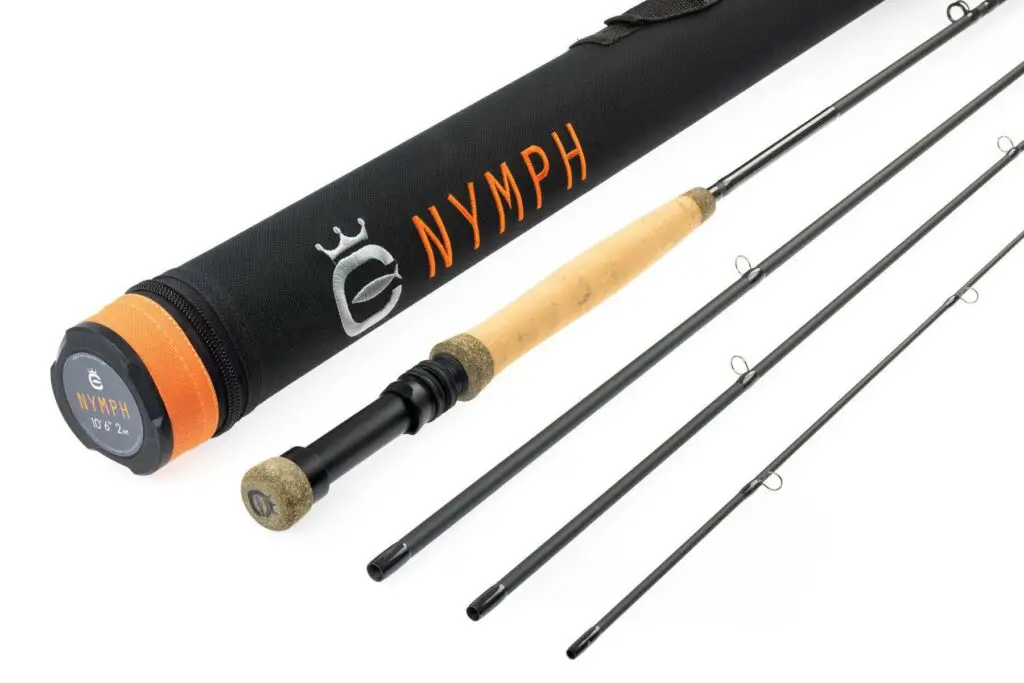
Here’s another great nymph rod option for you. Slightly longer (10’6″ compared to 10′) than the Echo, the Cortland Nymph will get you that bit of extra reach. It was no surprise to me that Cortland started producing nymph rods with all their experience in the fly line and tippet business. Whether you’re a fan of nymphing or not, you’ve got to admit that this technique’s efficiency is hard to beat.
What makes the Cortland nymph stand out amongst nymph rods? From my experience it’s the very direct feel the rod delivers which makes it easier for you to detect takes (which will take some time getting used to when you start out, so don’t be frustrated). The series also features a matte black blank which can be an advantage since you’re often standing close to the fish in the river in euro nymphing and a bright blank might reflect the sunlight into the water and disturb the fish you’re after. In terms of action the Echo and Cortland are similar.
Sage Trout Spey
Key features:
– Premium trout spey rod
– Made in the USA
– Sage guarantee
Why we picked it:
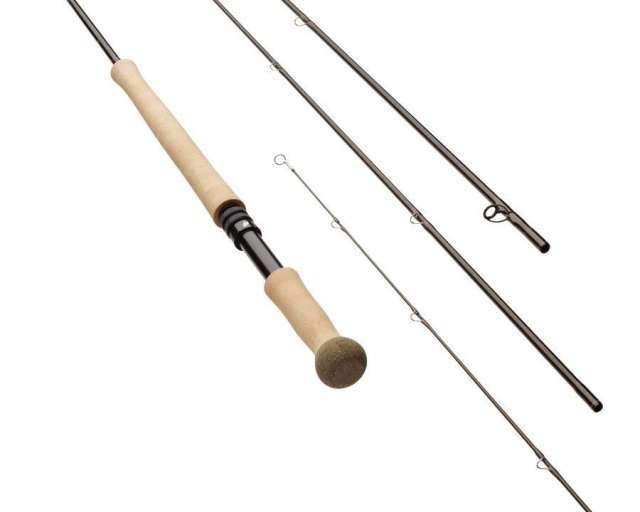
Here’s my first recommendation if you’re considering getting a trout spey rod. This style of casting derives from classic spey casting techniques that originated in Scotland to fish for Atlantic salmon in the big rivers of the Spey region. The style was adapted to fish the same style (lay the line out across the rivers and let it swing using streamer, intruder or wet fly pattern). The advantage of using a trout spey rod compared to a single hand rod is the additional reach you’ll be able to realize.
The Sage Trout Spey delivers distance and precision with ease. If you’ve tried this fishing technique and know that it’s something you’ll want to practice in the future, the Sage is a great option. It’s a fine rod, made in the USA that comes with an excellent warranty.
Bottom Line on the Best 4 wt Fly Rod
So there you have it, the list of some of the best 4wt fly rods available on the market. Of course, what you invest in will strictly depend on your budget and preference. It’s strongly recommended that you should go for a product after determining the type and style of fishing you’re looking to do.
Frequently Asked Questions
What is a 4 weight fly rod used for?
A 4 weight fly rod is generally used for smaller species like trout and panfish. It’s ideal for small to medium-sized rivers and streams where delicacy and precision are required, and it’s also great for dry fly fishing.
What should I look for in a 4 weight fly rod?
When choosing a 4 weight fly rod, consider the rod’s action, length, and material. A medium-fast or fast action is usually a good choice for this weight class. The length can vary, but 8.5 to 9 feet is common. As for material, most high-quality fly rods are made of graphite for its strength and lightness.
What are some of the best brands for 4 weight fly rods?
Some of the top brands for 4 weight fly rods include Sage, Orvis, Thomas & Thomas, and G. Loomis. These brands are renowned for their quality and performance in the fly fishing world.
Is a 4 weight fly rod suitable for beginners?
A 4 weight fly rod can be suitable for beginners, especially those who plan to fish primarily in smaller rivers or streams for trout or other small to medium-sized fish. However, a 5 or 6 weight rod might offer a bit more versatility for beginners who aren’t sure what type of fishing they’ll do most.
How do I maintain my 4 weight fly rod?
To maintain your 4 weight fly rod, rinse it off with fresh water after each use, let it dry completely before storing, and periodically check for any signs of damage. Store it in a rod tube to protect it from damage.
What’s the typical cost of a good 4 weight fly rod?
The cost of a 4 weight fly rod can vary significantly depending on the brand, materials, and craftsmanship. You can find budget-friendly options for under $200, while high-end rods from premium brands can cost $800 or more.
Can I use a 4 weight fly rod in saltwater?
While it’s technically possible to use a 4 weight fly rod in saltwater, it’s not typically recommended. This rod weight is designed for smaller fish species, and most saltwater fish would be too powerful for it. If you plan to fish in saltwater, you might want to consider a heavier rod.
Our Expertise
Why you should trust us: Leonard Schoenberger and his team have tried and tested hundreds of rods, reels and other fly fishing gear over the years. We always express our honest opinions about a product to help you make a solid purchase decision. We never get paid for reviews and are proud of keeping our editorial independence. Our focus is on bringing you the latest in gear so you can have a great time at the water. Thanks for being a reader of The Wading List.
Notice: The Wading List is reader-supported. We take part in various affiliate programs such as amazon associates or avantlink. If you click on one of the links in this article and end up purchasing a product we earn a small commission at no extra cost for you. Thank you!

Leonard Schoenberger is a fly fishing professional and gear specialist with over 20 years of experience on the water. As the manager of Heidarvatn, a world-class sea trout lodge in Iceland, his product recommendations and tactical advice are tested in some of the most demanding conditions on earth. His expertise has been mentioned in The New York Times, the Financial Times, and at the Outdoor Media Summit.