- The Salt and the Silence - March 19, 2026
- The Altitude of Ambition - February 10, 2026
- Can YETI’s new backpack deliver? Thoughts on the YETI CAYO - November 20, 2025
If the Aberdares were a study in vertical struggle and damp wool, Manda Bay was the exhale.
We swapped the thin, bracing air of the mountain for a heat that felt like a physical weight—thick, tropical, and smelling of salt. The transition is jarring; you touch down at the tiny airstrip on Lamu, a world of sun-bleached coral and ancient dhows, and suddenly the rainforest feels like a fever dream you had in another life. The mountain mud was still drying on our boots as we stepped into the sand, trading the 3-weight trout rods for heavy salt-water sticks.
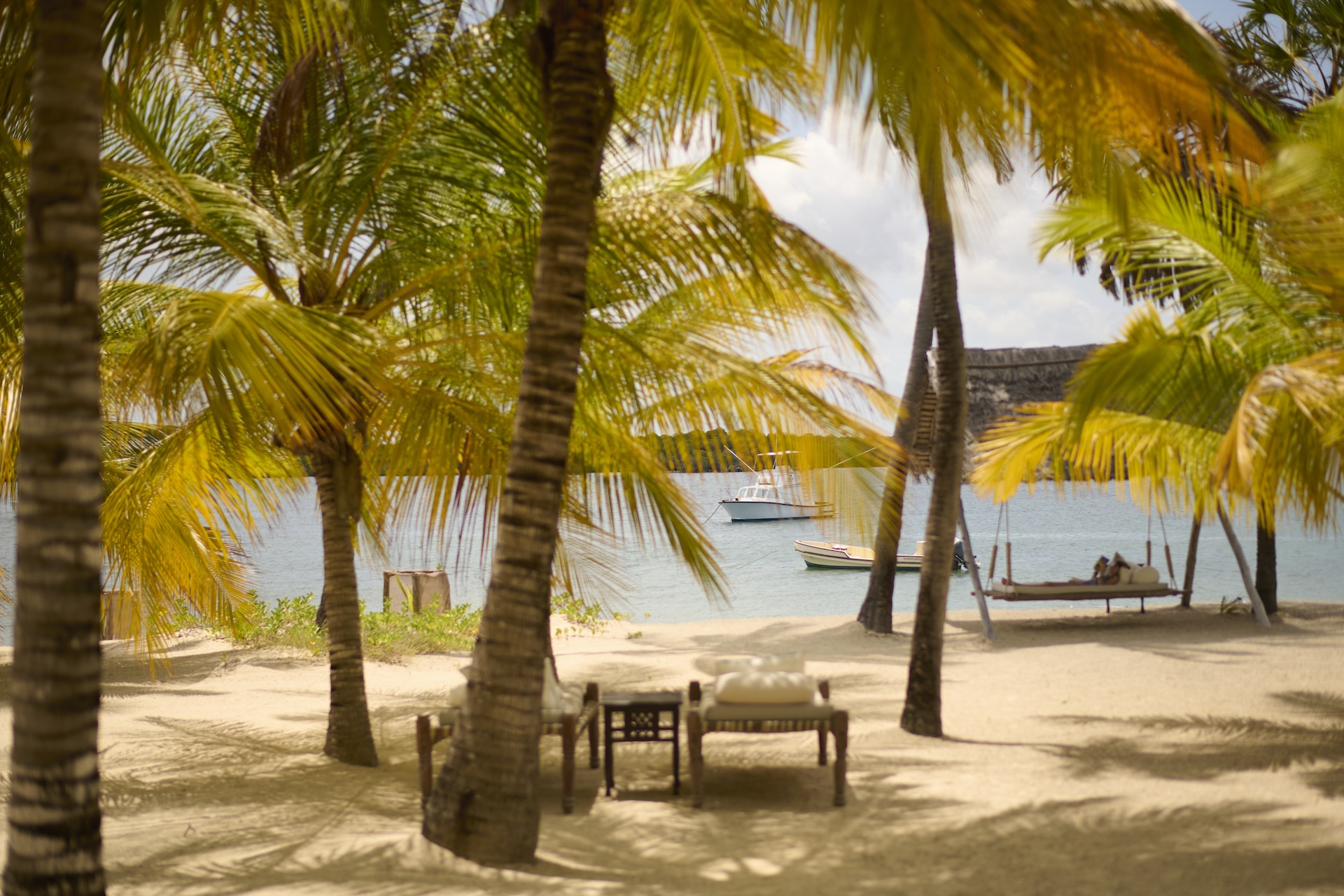
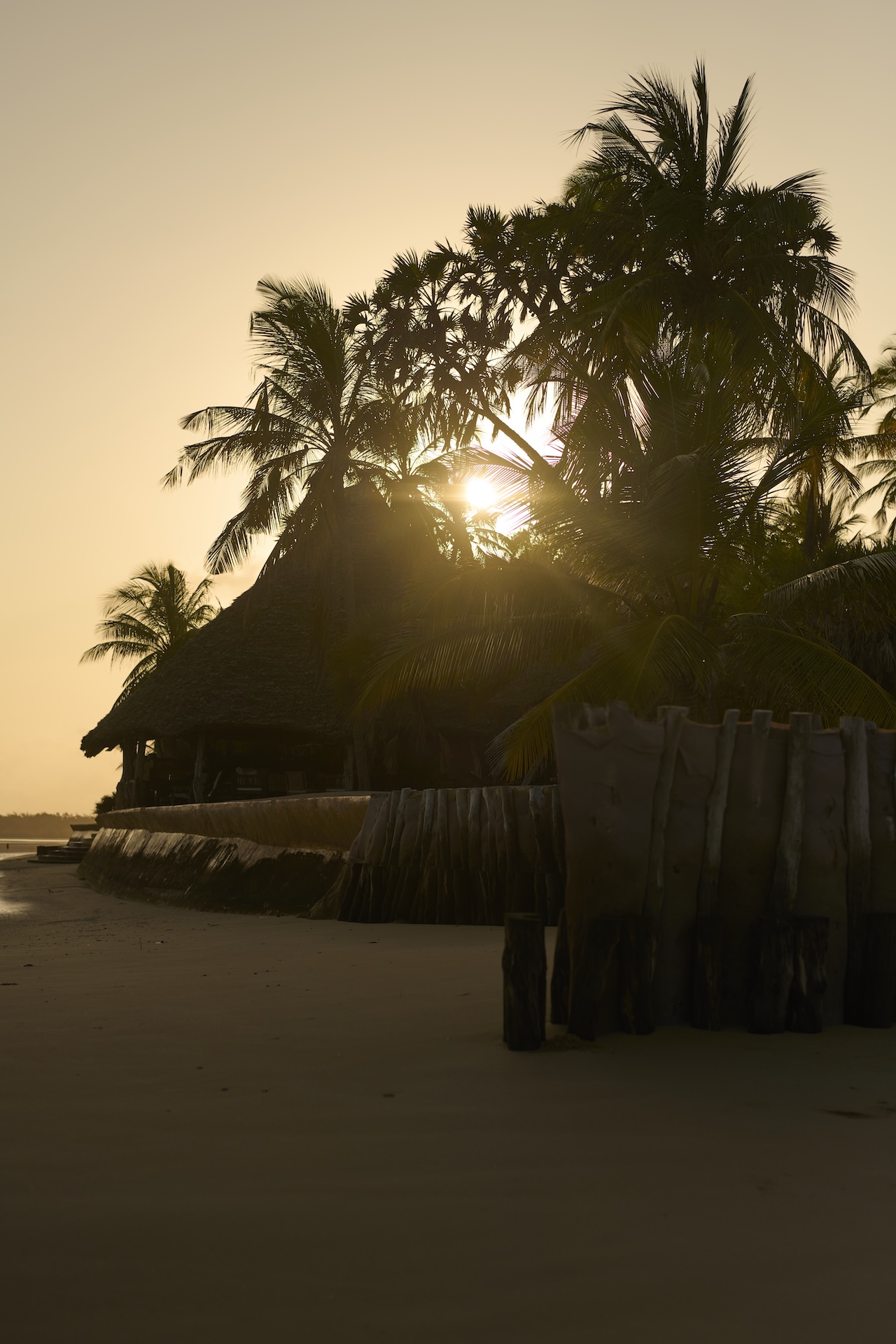
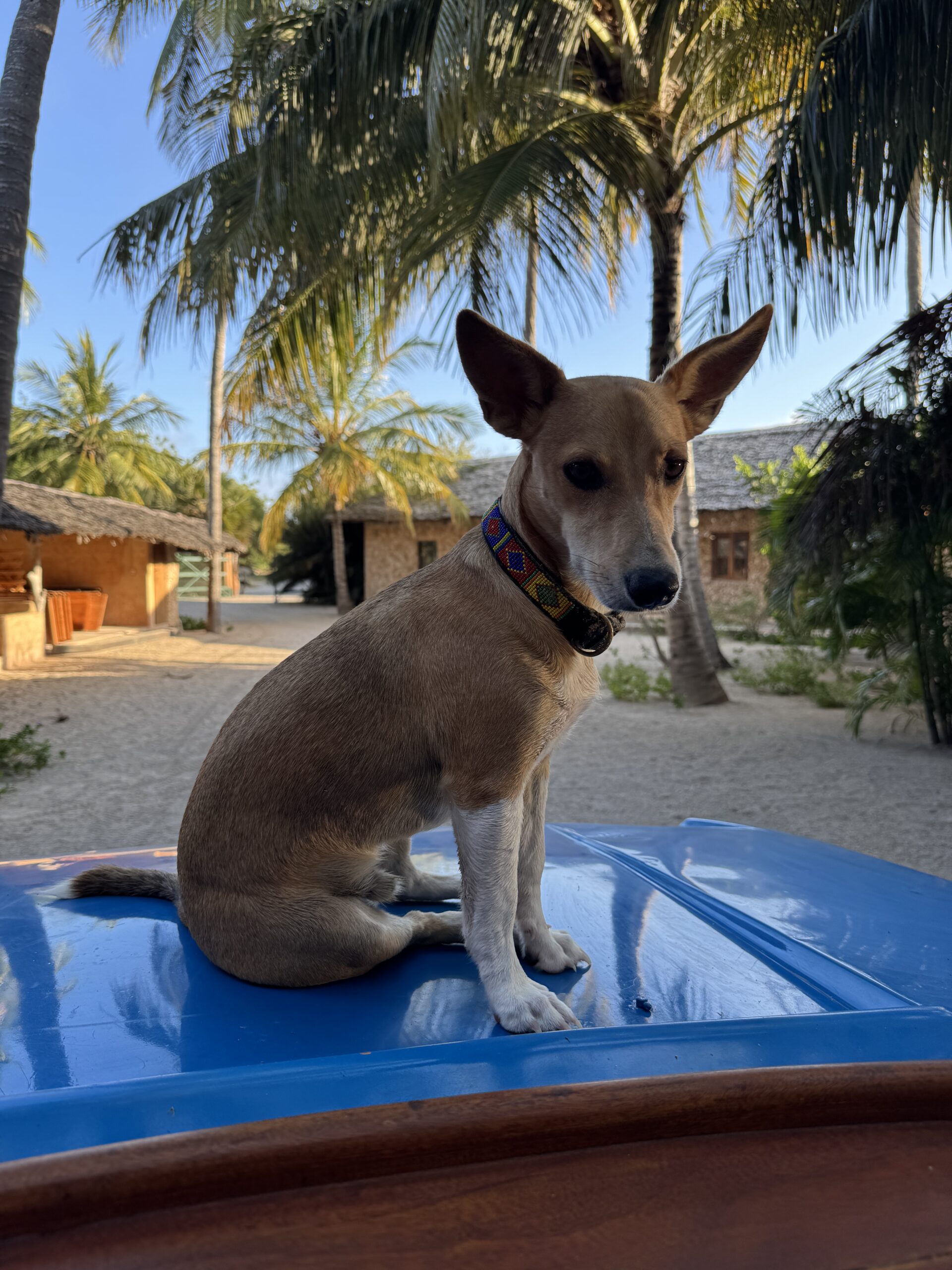
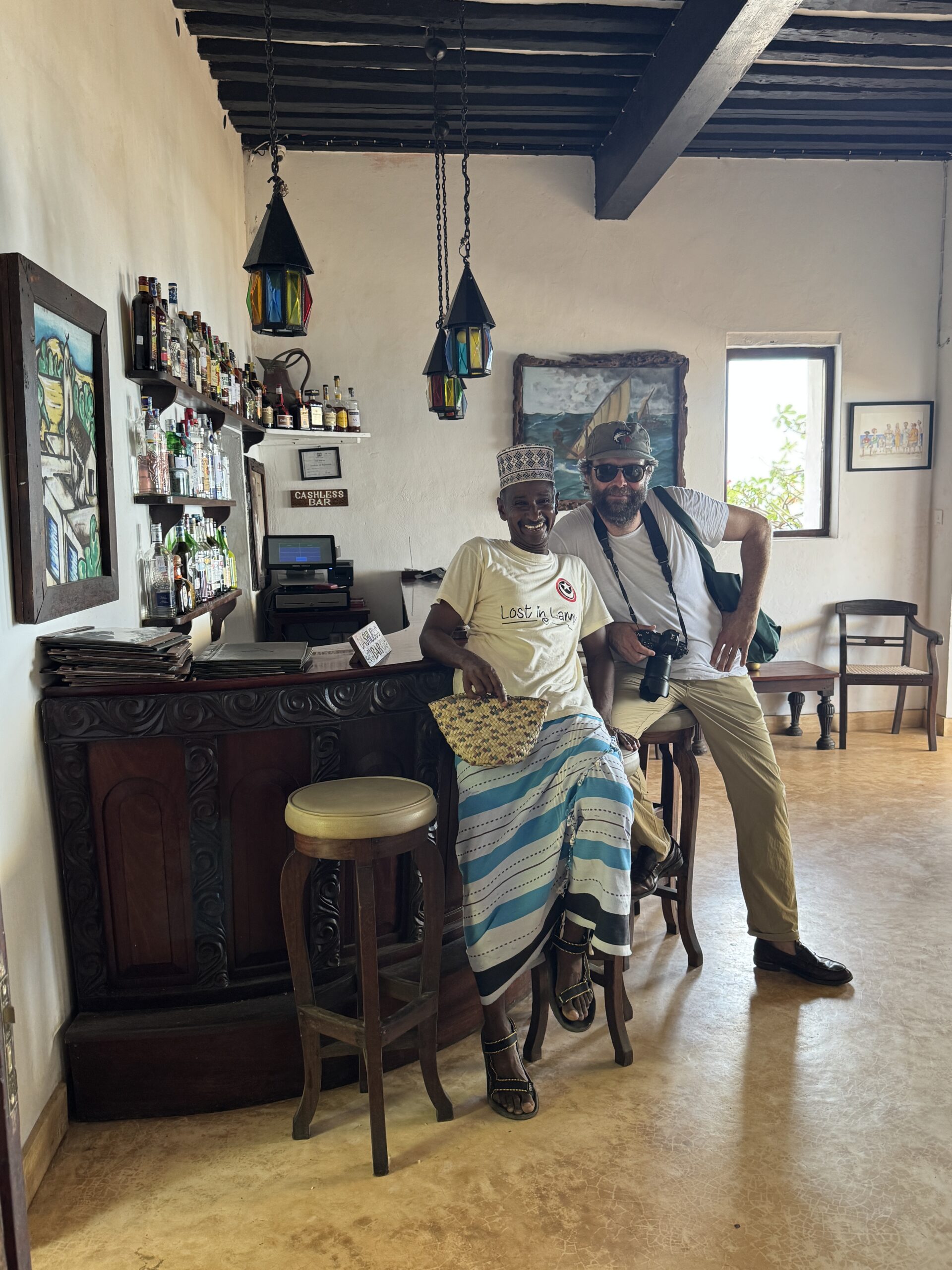
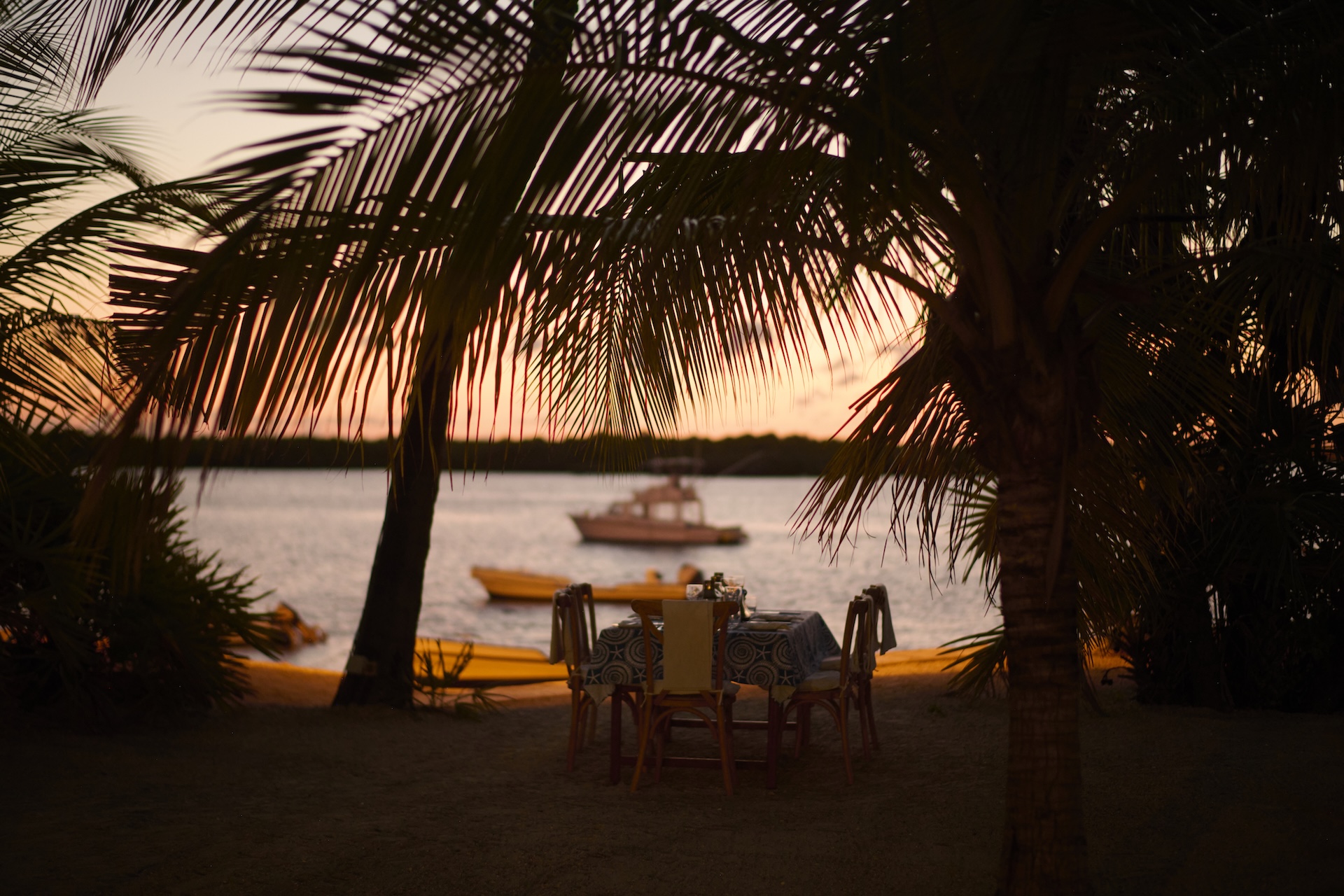
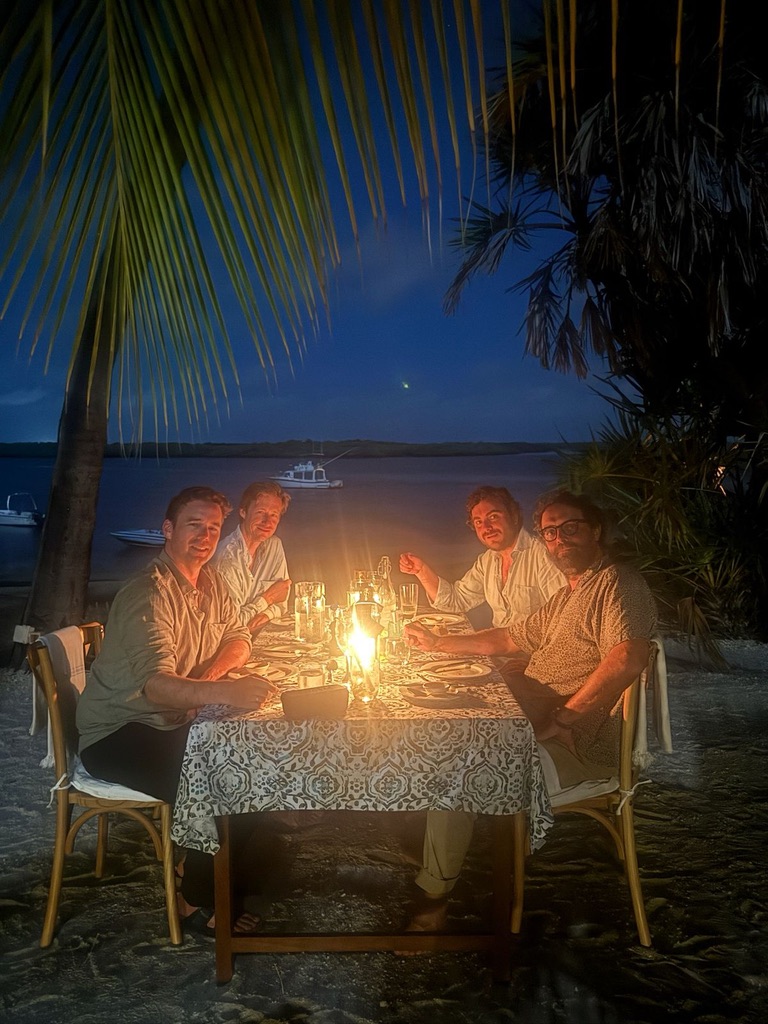
Manda Bay is a private island resort that manages to be both profoundly sophisticated and entirely elemental. It is a place of obsessive attention to detail, overseen by the owners Caragh & Andy Roberts, Fuzz and Bimbi Dyer and Mwezi, the manager who seemed to possess the power to make the impossible happen with a simple nod. We slept in huts without windows, where the only thing between you and the Indian Ocean is a steady breeze and a bit of netting. At night, we dined among the palm trees, the sand beneath our feet still holding the day’s heat, while the crew moved with a quiet, choreographed grace. It was the kind of hospitality that doesn’t feel like service; it feels like belonging.
The Blue Frontier
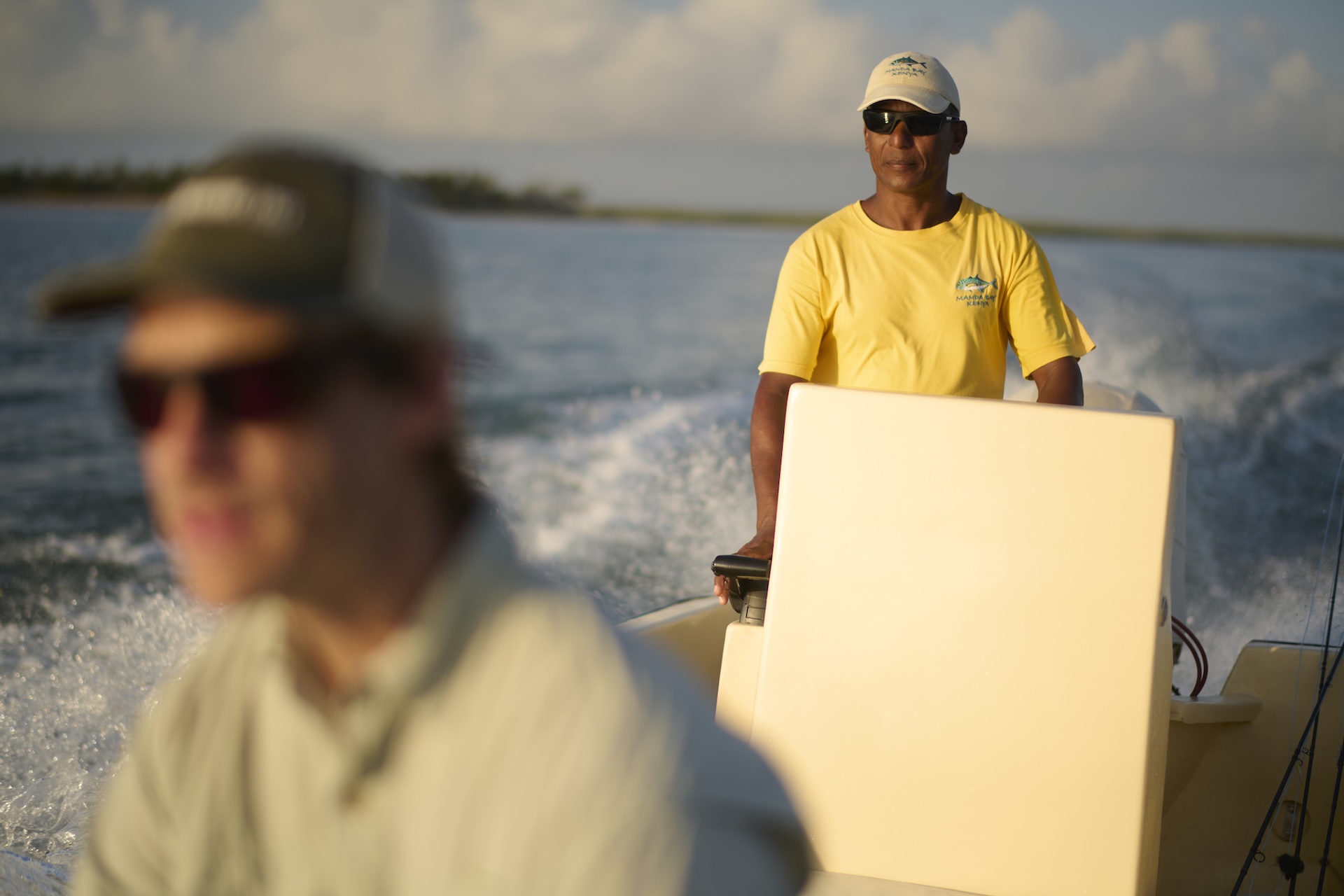
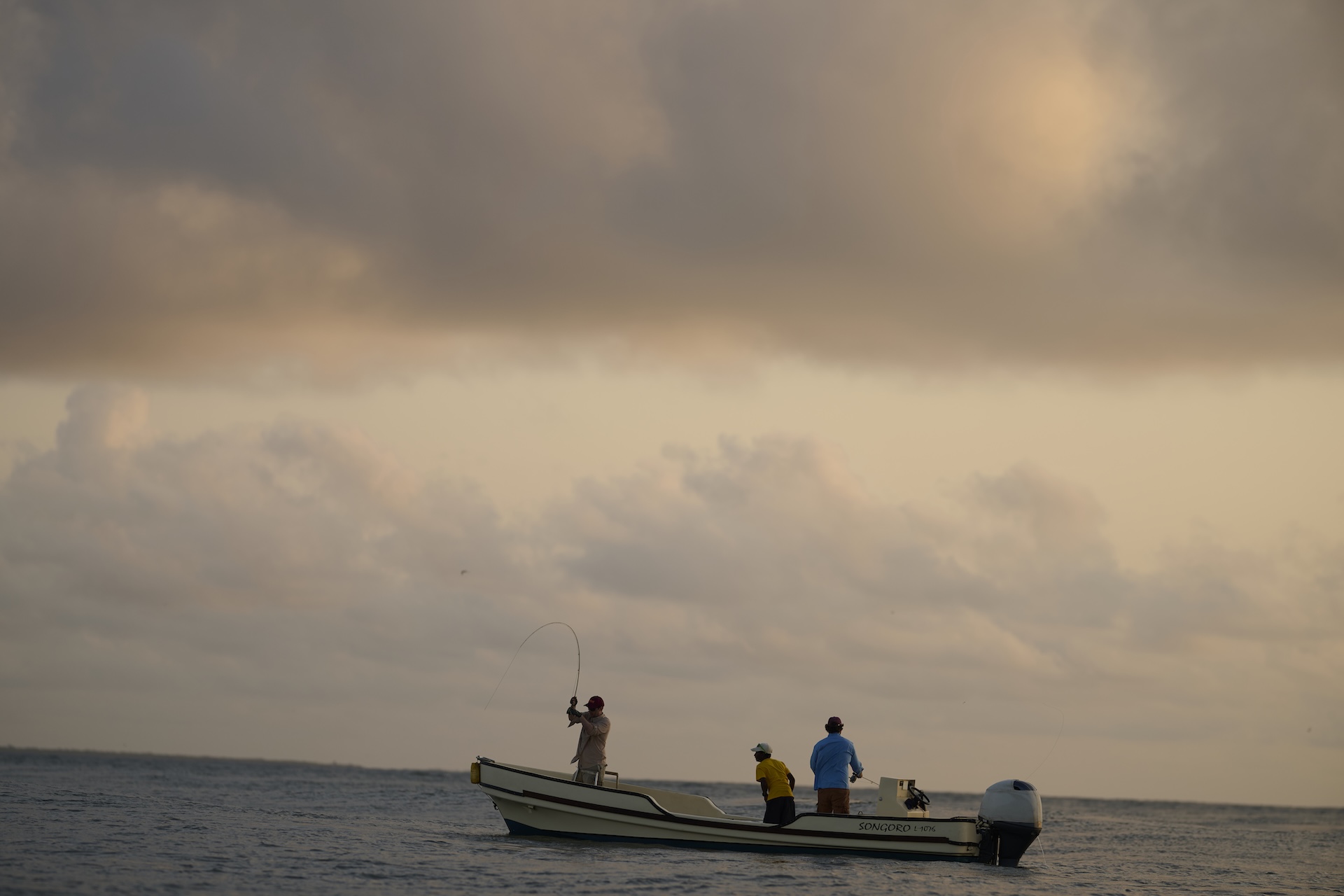
The fishing, of course, was the pivot point. Along with Christian, Kaspar, and Federico, we headed out with two great guides, Mohamed and Saidi. These men don’t just know the water; they know the mood of the tides around Manda Island. Saltwater fly fishing is a different kind of violence than trout fishing. In the Aberdares, a rise is a delicate sip; here, when a Giant Trevally (GT) hits a fly, it isn’t a rise—it’s an execution.
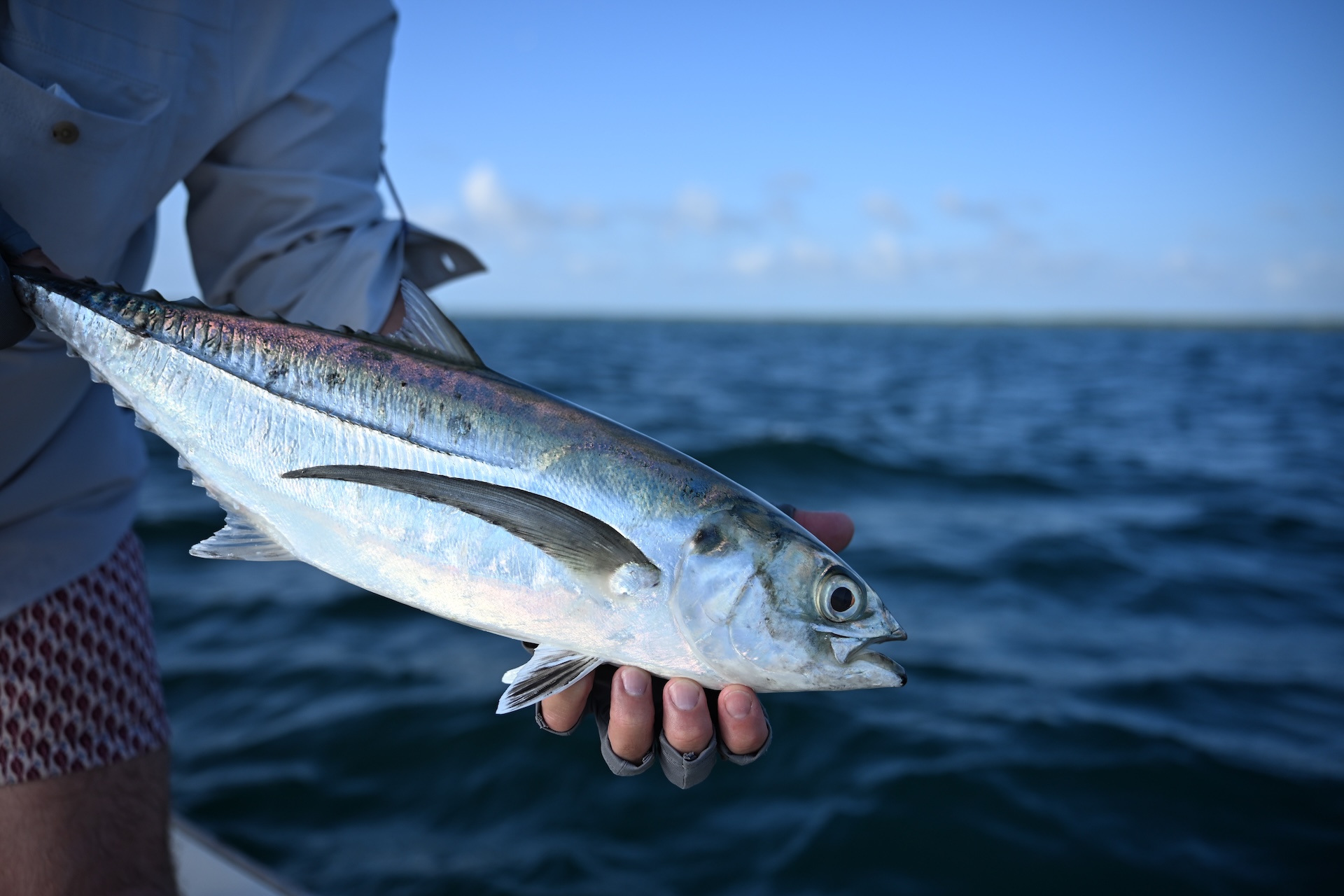
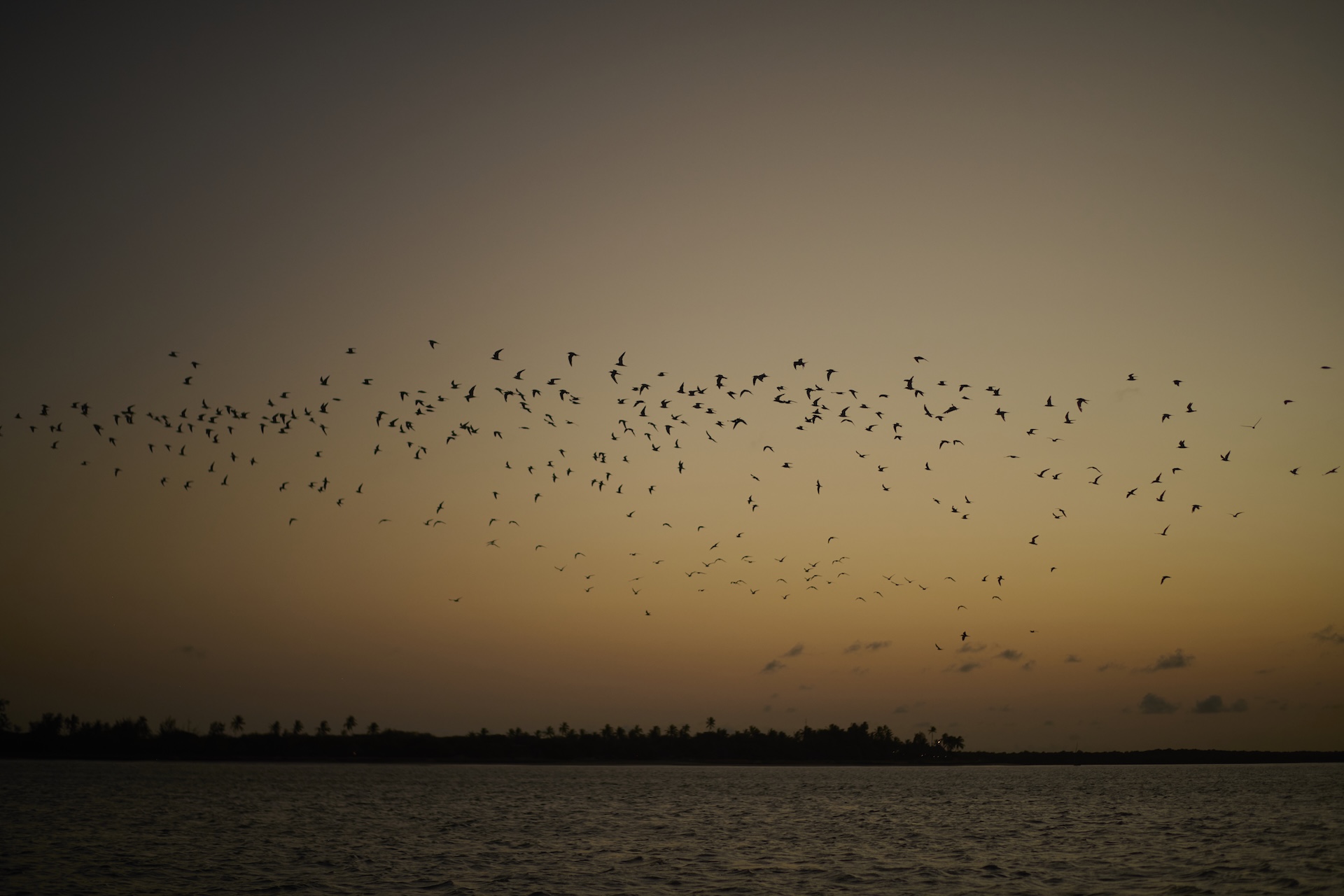
We hunted the inner and outer reefs, casting into the churning blue where the turquoise shallows drop off into the abyss. We chased Yellowfin Trevallies, Bonitos, Solies and even the elusive Giant Trevallies (GTs). There is no “spooking” these fish with a heavy footfall; here, the challenge is simply surviving the first ten seconds of the fight without the fly line sawing through your fingers or the reef claiming your leader. It is high-octane, sweat-soaked work that leaves your shoulders aching and your heart hammering against your ribs. The beauty of fishing in the salt from a boat is not seeing the exact fish you’re casting too. Once you’re into one, there’s always the chance of a catch of a lifetime. You’ll only find out once it breaks the surface.
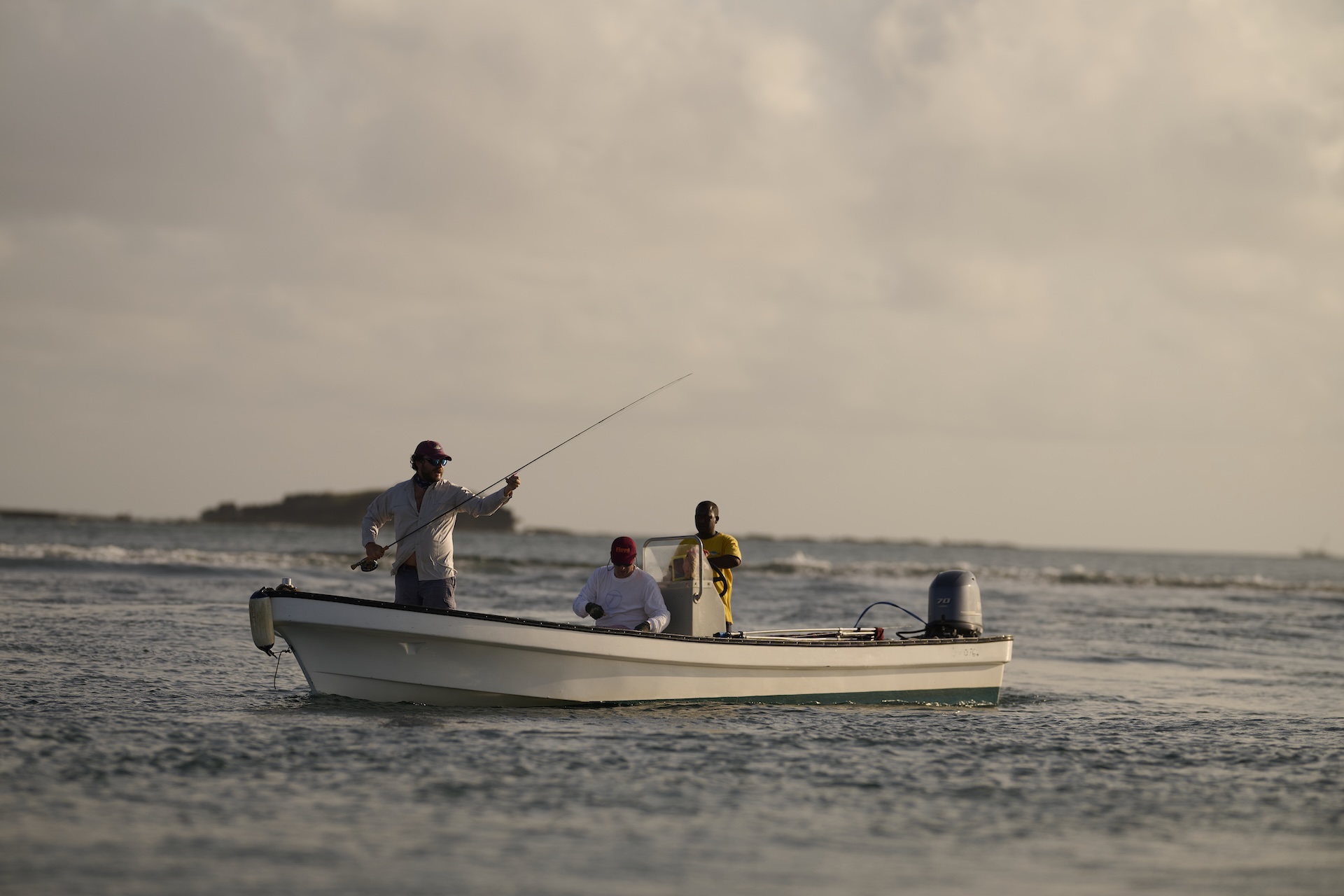
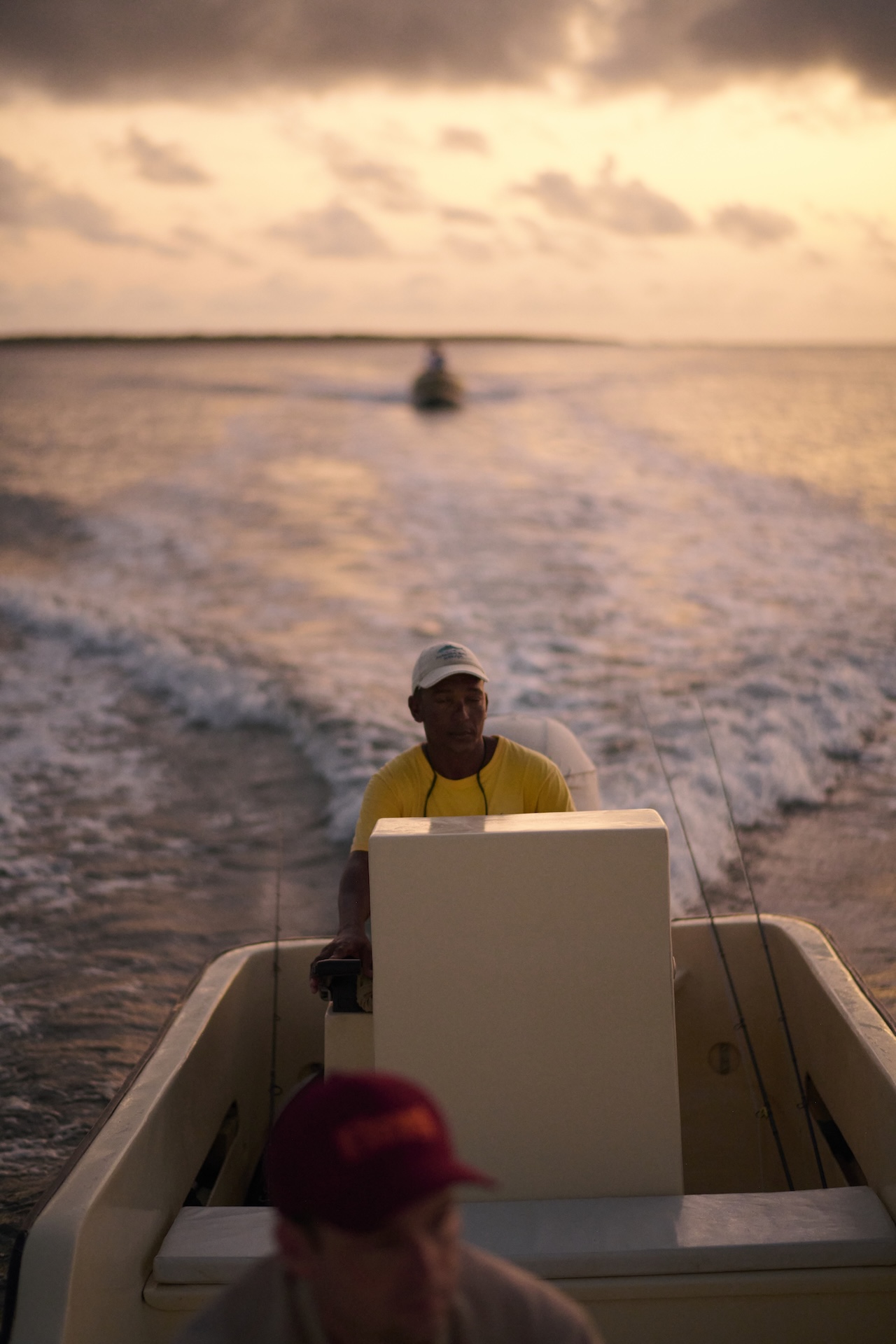
The beauty of fly fishing at Manda Bay is the fast variety of spots that are easily accessible within a 15 minute boat ride from the lodge. We mostly headed out in the mornings and evenings since the temperatures rise close to 100°F (35°C) during the day. We split up into two boats and either took turns fishing or had one of us casting out of the stern of the boat and the other one out of the bow.
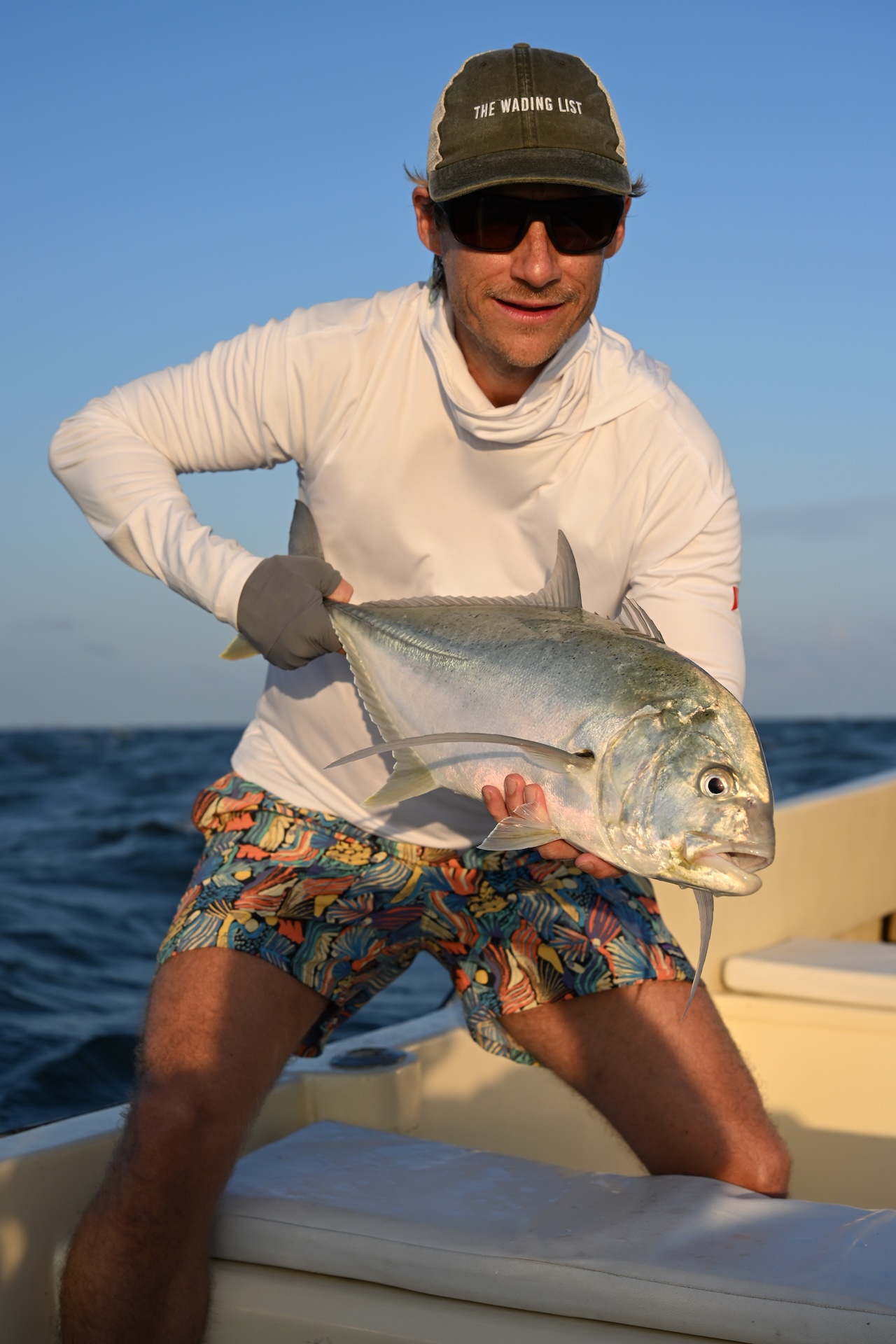
Our guides Mohammed and Saidi, both locals from around Lamu, did a great job getting us into position once we spotted a pot of fish revealed by birds hunting from above. We all managed to land Yellowfin Trevallies, Solies and Bonitos within the first few days. It’s always nice when everyone gets off the mark early – it simply takes a bit of pressure out of the trip and makes everyone enjoy the days a little more.
Chasing Ghosts in the Deep
The true apex of the coastal experience came when Christian and I decided to head out into the “blue water” for the ultimate prize: sailfish on the fly. For this, we were joined by the legend himself, Henry Henley. Henry is a man whose name carries weight in these waters, possessing a deep-seated intuition for the movements of the ocean that only decades of experience can provide.
The hunt for sailfish is a game of patience punctuated by seconds of pure adrenaline. We trolled teasers behind the boat, watching the wake with predatory focus. Then, it happened. A flash of iridescent cobalt beneath the surface—a sailfish, lit up and angry, slashing at the teaser. We saw them come up close, their massive sails cutting through the water just feet from the transom. It is a sight that freezes the blood.
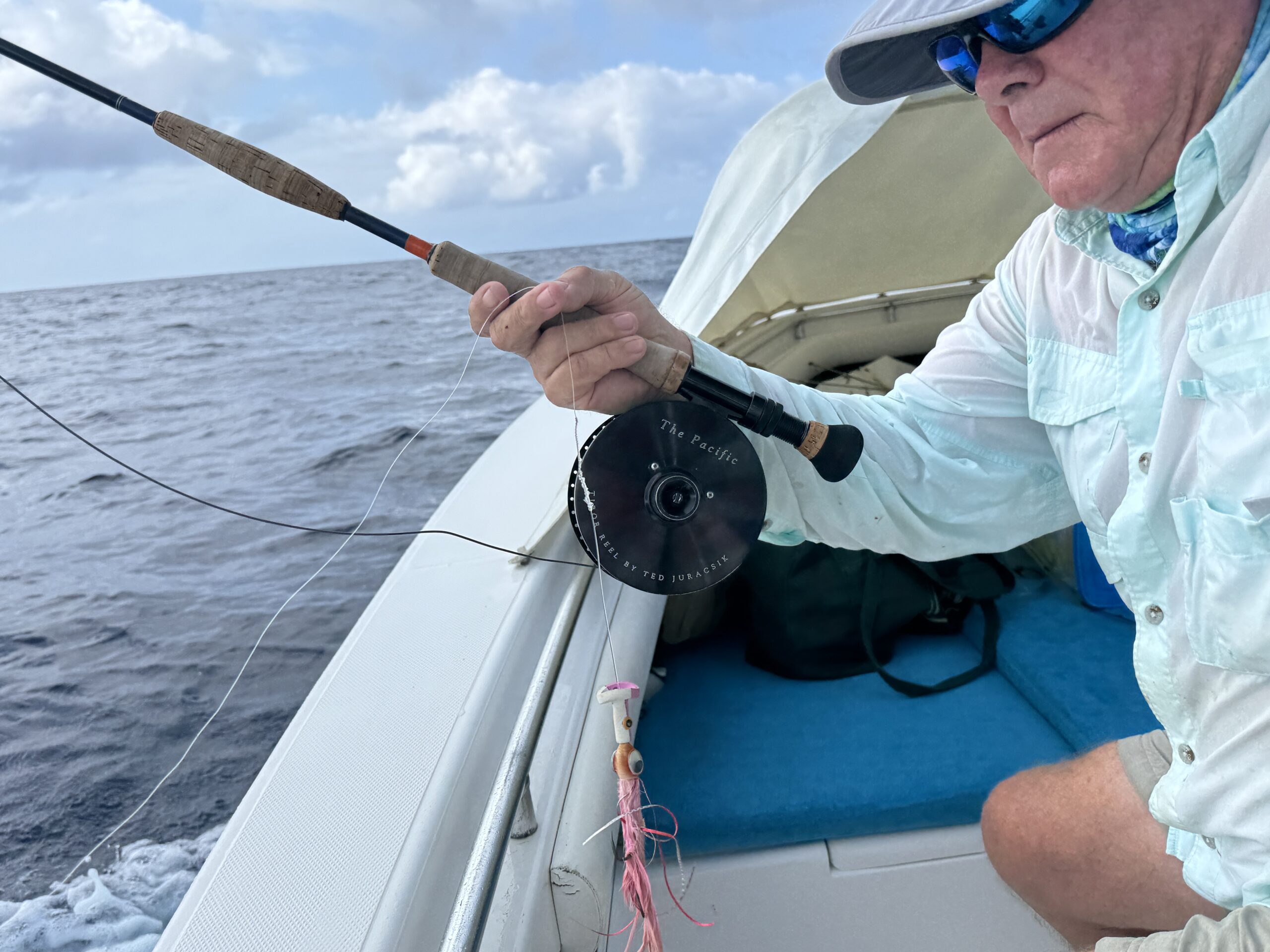
In that moment, everything has to be perfect. The teaser is pulled, the fish is “switched,” and the fly must be presented in a frantic window of opportunity. As it turned out, the ocean decided to keep its secrets that day. We saw the fish, felt their presence, and watched them shadow the boat with terrifying grace, but we never got the chance to lay a fly in front of them. In the world of blue-water fly fishing, a “blank” day spent in the company of such monsters is still a triumph. To see a sailfish that close, to witness its power in its own element, is an experience that stays with you long after you’ve returned to the dock.
The Island Rhythm
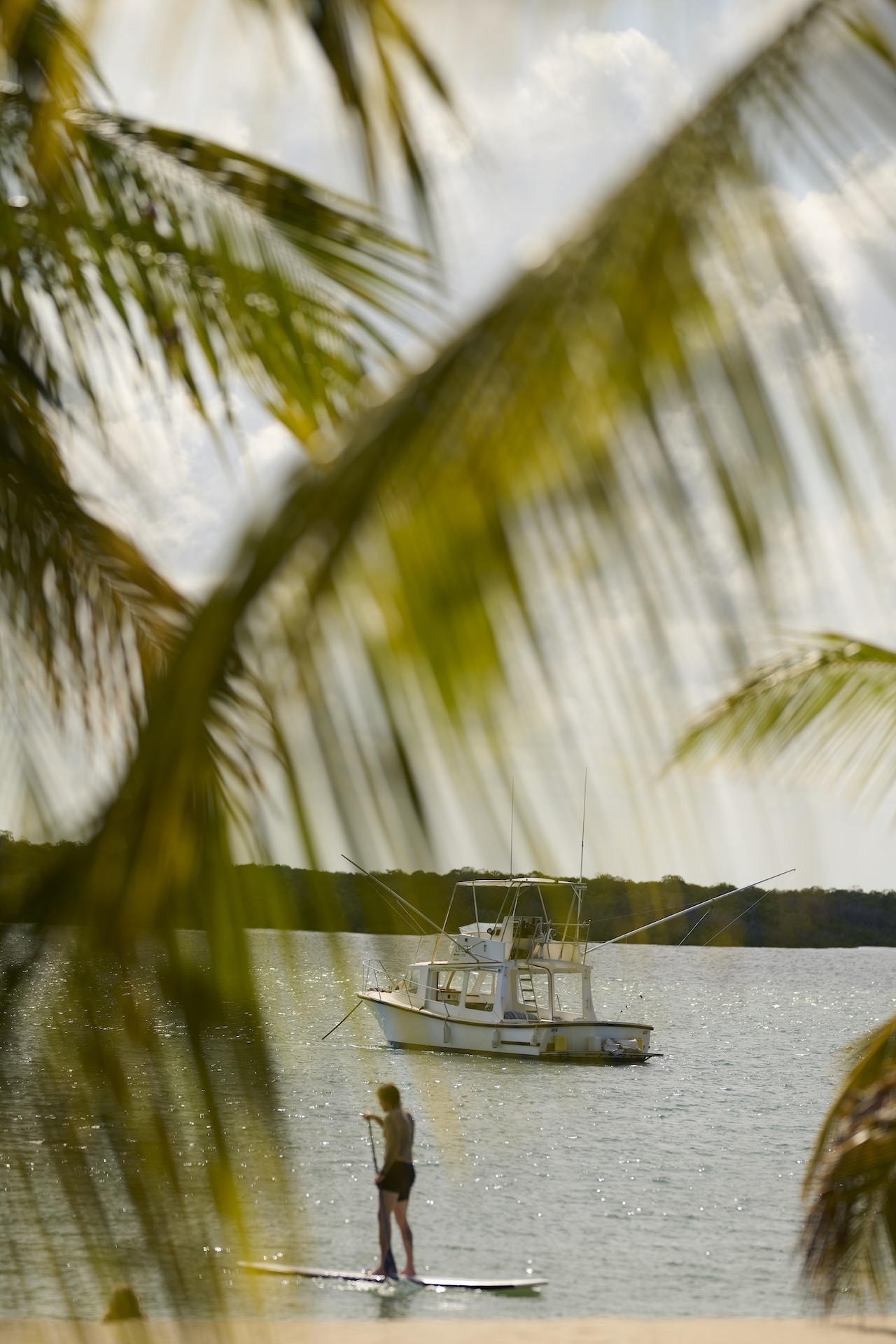
Between the tides, Manda Bay revealed its other layers. We moved across the dunes in open, custom-made Range Rovers—rugged, sun-scorched machines that looked like something out of a high-end safari film. We would reach the high points of the island just as the sun began its long melt into the horizon, sipping sundowners while the light turned the Indian Ocean into a sheet of hammered gold.
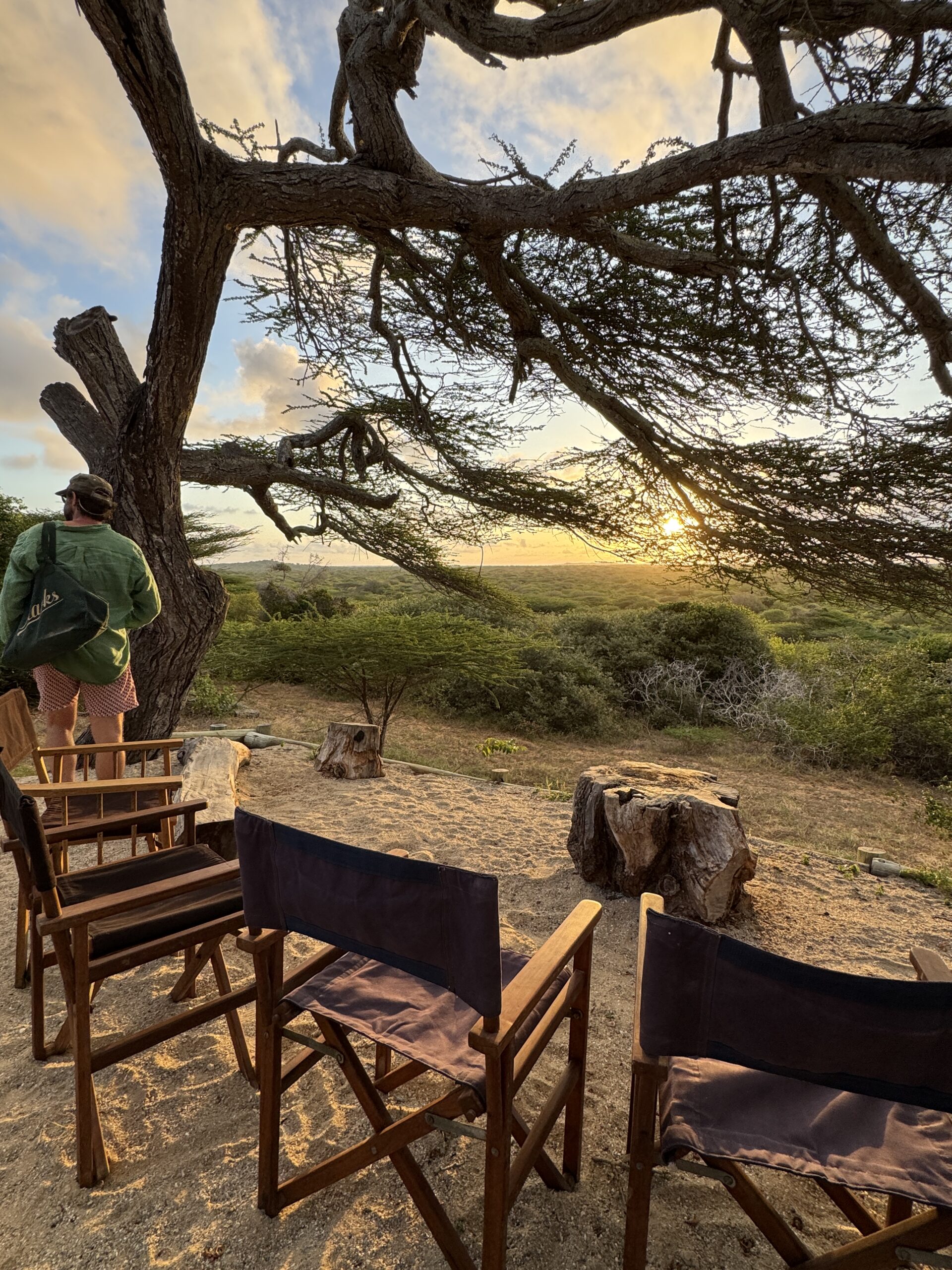
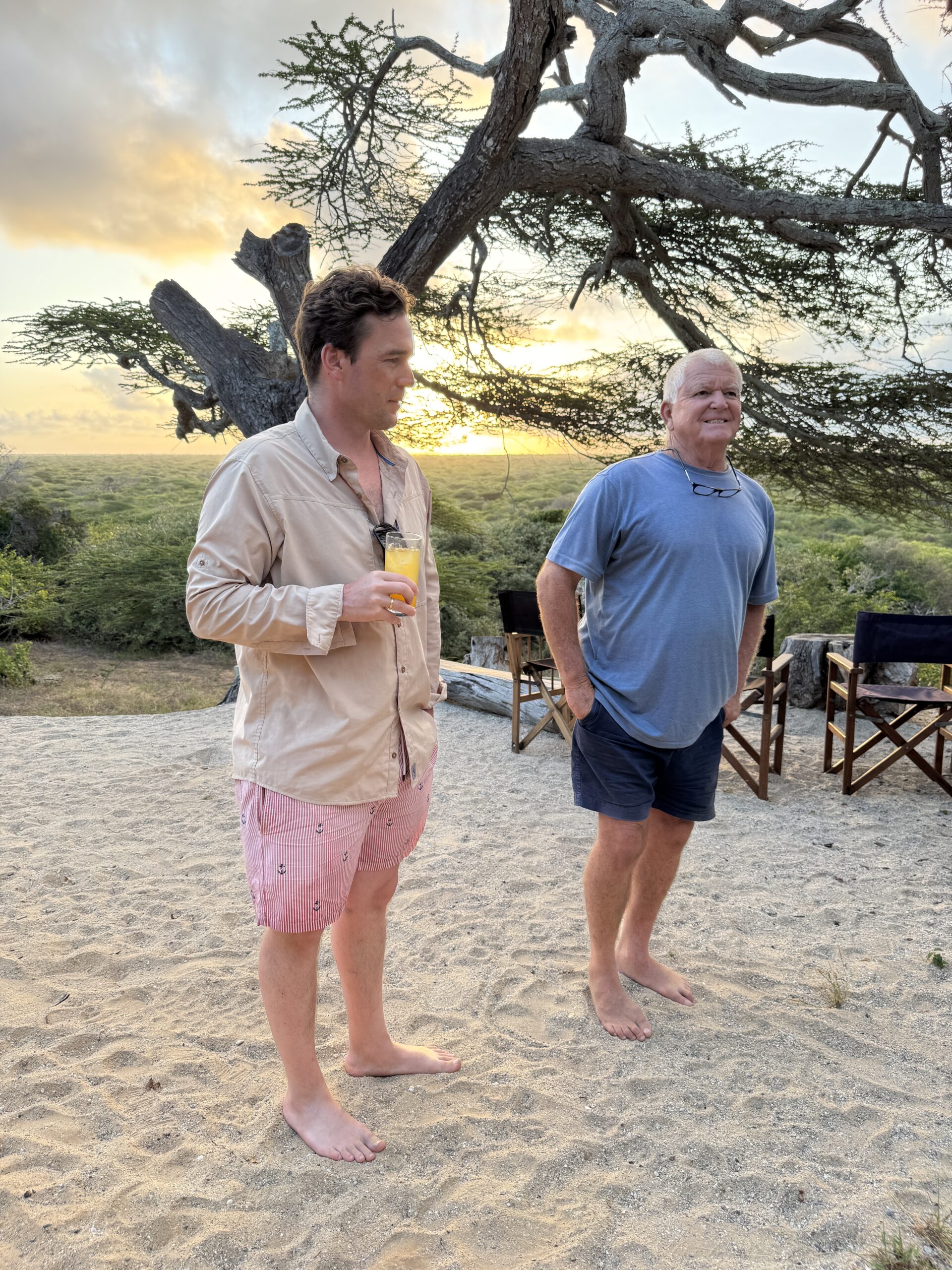
We also took time to immerse ourselves in the architecture of the local culture. We wandered the narrow, labyrinthine streets of Lamu, where donkeys are the primary mode of transport and the carved wooden doors tell stories of centuries-old trade. We had lunch at the iconic Peponi’s, sitting on the terrace watching the dhows tack against the wind. It was the perfect counterpoint to the raw, unpeopled wilderness of the reefs—a reminder that even in the most remote corners of the world, there is a deep, rhythmic history.
The Two Kenyas
As the trip wound down, the contrast settled in. We had started in a world of wood fires, mossy banks, and “Ragati Reds” in the freezing rain of the highlands. We ended in a world of gin-clear water, tropical heat, and the heart-stopping sight of sailfish in the deep blue.
Kenya, it turns out, is not a singular destination; it is a collection of extremes. You come for the fish, but you stay for the moments in between—the smell of the woodsmoke on the mountain, the taste of the salt on the coast, and the realization that whether you are on your knees in a mountain creek or standing on the deck of a boat in the Indian Ocean, the thrill is exactly the same.
The geography changes, the species vary, and the gear gets heavier, but the pull of the water remains constant. We left Manda Bay with salt-crusted reels and sun-reddened skin, already plotting our return. Because whether it’s a tiny wild trout in the Aberdares or a Giant Trevally on a Kenyan reef, the pursuit is what makes us feel alive.
Special thanks to our hosts and the entire Manda Bay crew for making our first trip to the Indian Ocean unforgettable.